




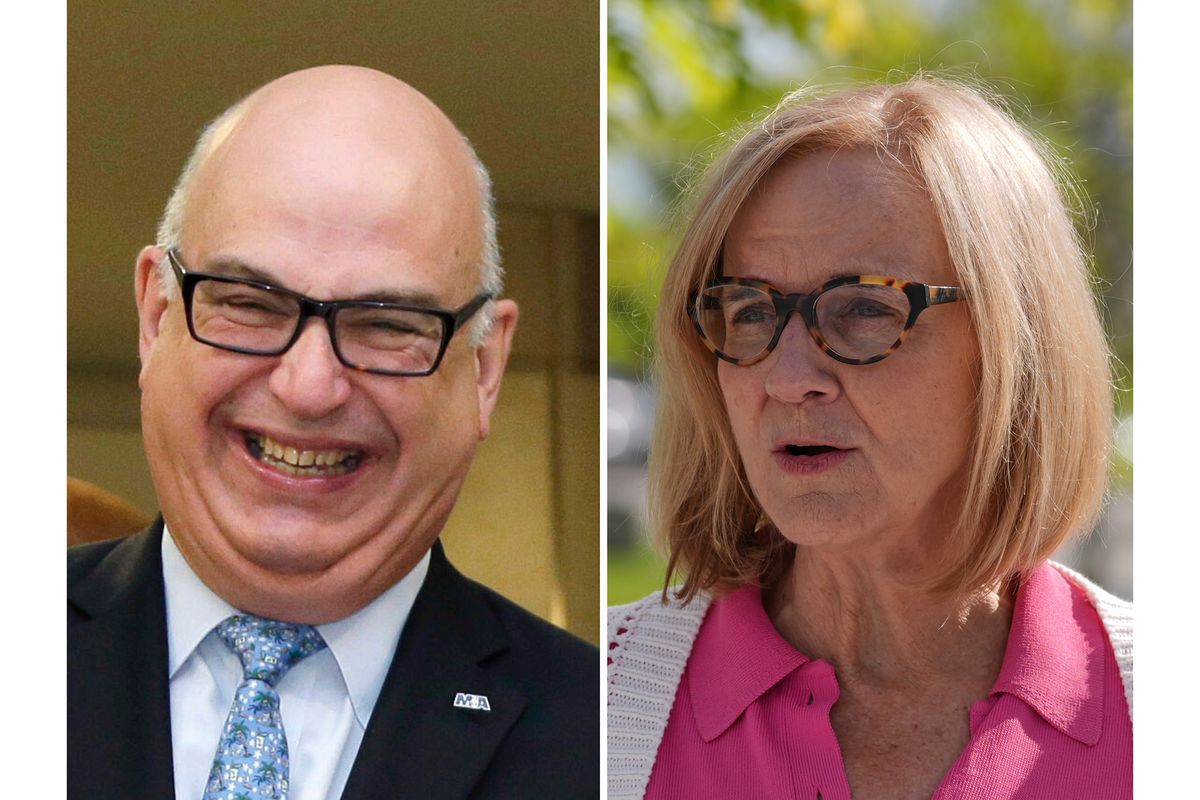
MIAMI (AP) — A candidate backed by President Donald Trump and one supported by national Democratic figures face off Tuesday to be the next Miami mayor, in this sun-kissed city shaped by immigrants where both major political parties are watching for a glimpse into their standing ahead of next year’s midterms, particularly among Hispanic voters.
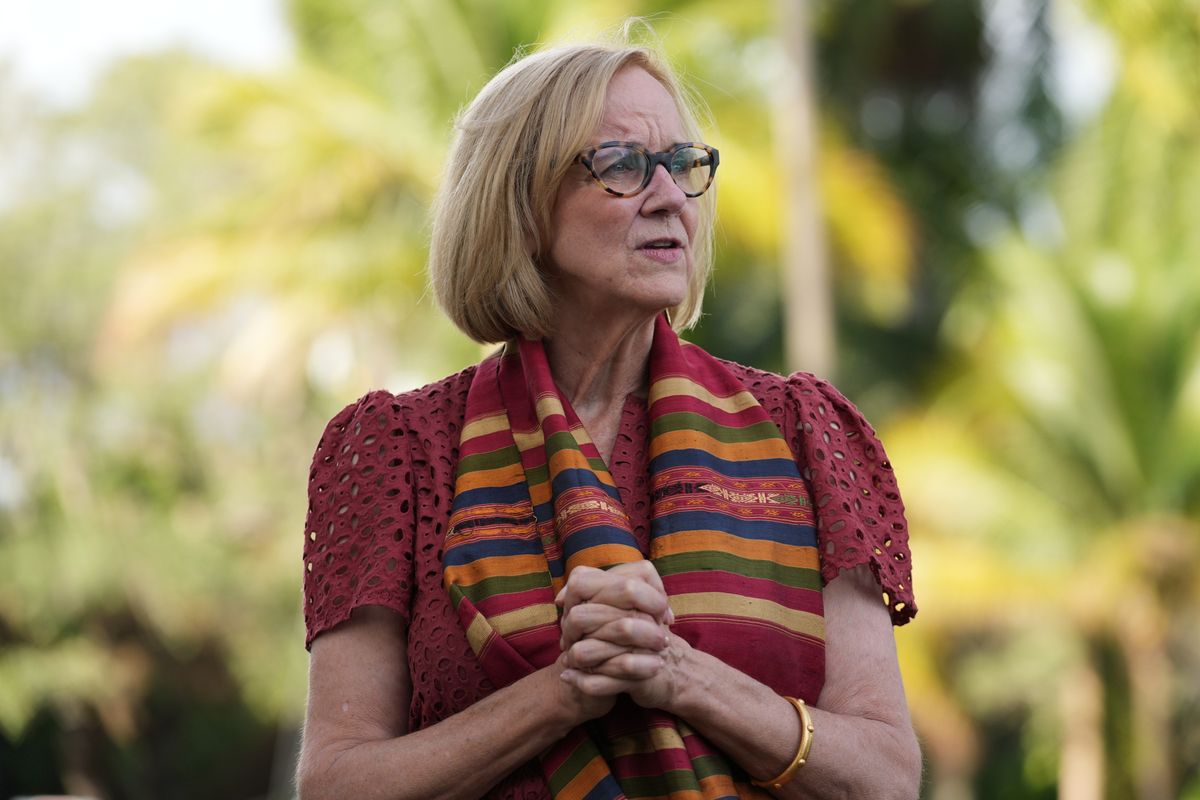
If elected, Eileen Higgins would become the first Democrat to lead the city of 487,000 in nearly three decades. A win by Emilio Gonzalez could help calm Republicans as they seek to maintain a grip in Miami and show their strength in a Hispanic-majority place.
The Miami mayoral runoff — one of the final electoral battles before the 2026 midterms — comes on the heels of Trump’s influence in shifting the city’s political landscape markedly to the right. That has made Higgins’ candidacy a test for Democratic prospects in Florida and among Latinos in other places.
To be sure, the local race is not predictive of what may happen at the polls next year. Tuesday’s election is a runoff between the two highest vote-getters in the Nov. 4 election, and it is expected to see a small fraction of the turnout of a midterm contest. But that has not stopped national parties and their leaders from getting involved, and some of the big issues animating national politics also have surfaced in the contest.
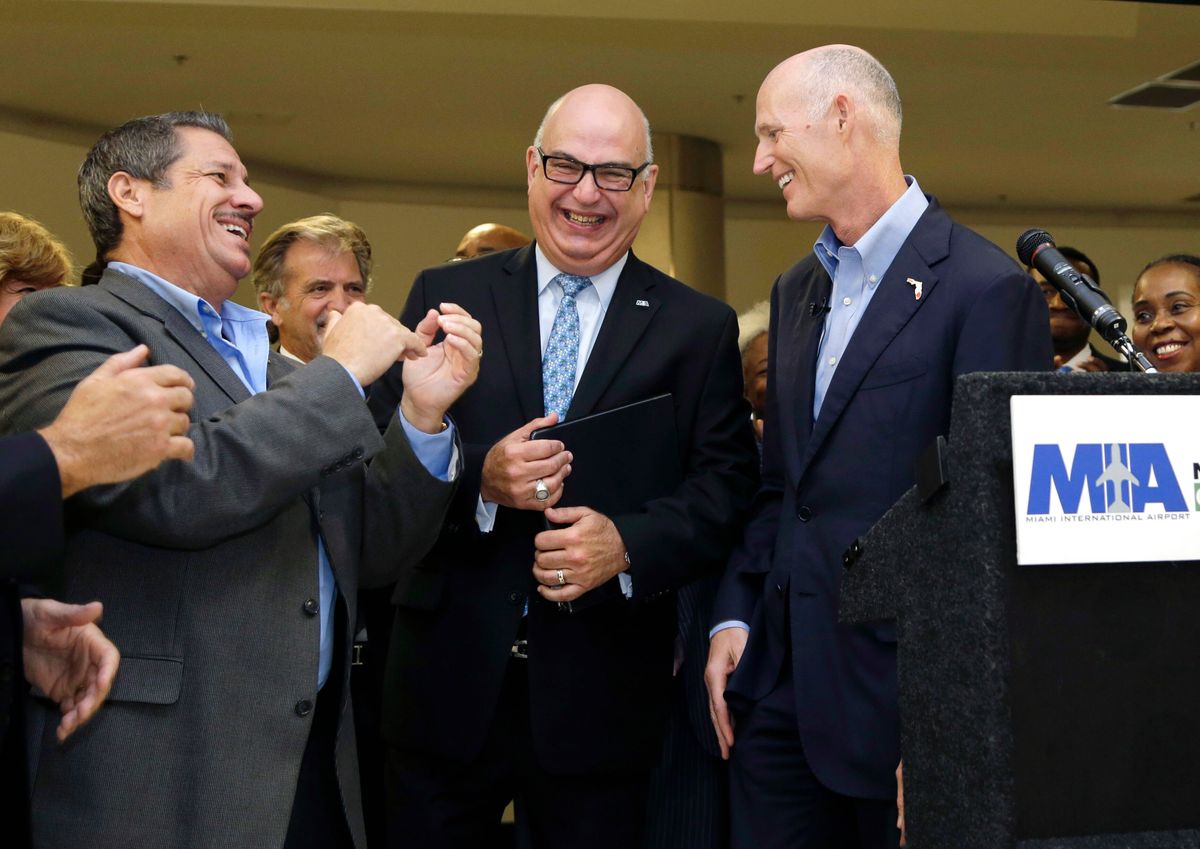
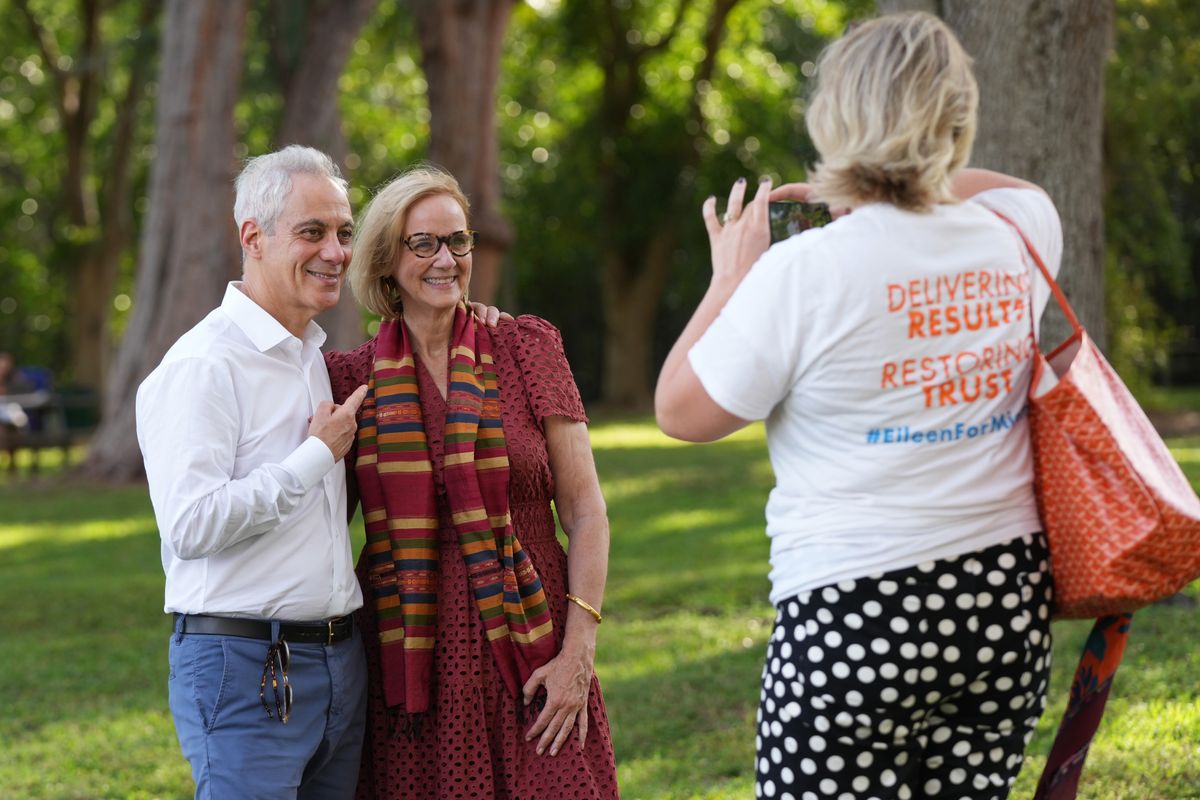
Big-name Florida Republicans such as Gov. Ron DeSantis and Sen. Rick Scott have weighed in for Gonzalez, the former city manager, in the otherwise nonpartisan race. Well-known Democrats, including U.S. Sen. Ruben Gallego and former Chicago Mayor Rahm Emanuel, have joined the campaign trail to help Higgins, who served on the county commission before winning a runoff spot last month.
A Democratic victory would add to the party’s momentum heading into a midterm election following successes in November’s elections and a closer-than-expected loss in a special election last week for a Tennessee congressional district that Trump won by double digits last year. The Miami contest is in an area that has increasingly shifted toward Republicans and the site where Trump intends to build his presidential library.
Higgins has proudly identified as La Gringa, a term Spanish speakers use for white Americans, but she also speaks Spanish and has represented the Cuban enclave of Little Havana as part of a district that leans conservative. Higgins has focused her campaign on local issues such as the cost of housing, but she has also mentioned national ones, including the arrest of immigrants under the Trump administration in a city with sizable Hispanic and foreign-born populations.
Meanwhile, Gonzalez has campaigned on repealing Miami’s homestead property tax and streamlining permits for businesses. A former director of the U.S. Citizenship and Immigration Services under Republican President George W. Bush, he said during a debate that he supported immigration arrests against those who committed crimes. When pressed that most of those arrested had not committed violent offenses, he said it was “a federal issue.”
Miami is Florida’s second-most populous city, behind Jacksonville, and is considered the epicenter of the state’s diverse culture. It’s part of Miami-Dade County, which Trump flipped last year, handily defeating Democrat Kamala Harris after losing the county to Democrat Joe Biden in 2020. He had lost by 30 percentage points here to Democrat Hillary Clinton in 2016.
By ADRIANA GOMEZ LICON
Associated Press