




MANILA, Philippines (AP) — Philippine officials on Tuesday grounded the entire fleet of passenger ships belonging to a company that owned a ferry that sank in the south and left at least 18 people dead, with more than 300 others rescued.
Ten people, mostly crew members and the captain of the M/V Trisha Kerstin 3, which sank early Monday off an island in Basilan province, are still missing. A search led by the coast guard and the navy continued in waters where an oil sheen was spotted, coast guard Admiral Ronnie Gavan said.
Coast guard divers and a remotely operated unmanned vehicle will be deployed to locate and check the wreckage, which is estimated to be 76 meters (249 feet) below the sea surface, as part of the search, he said.
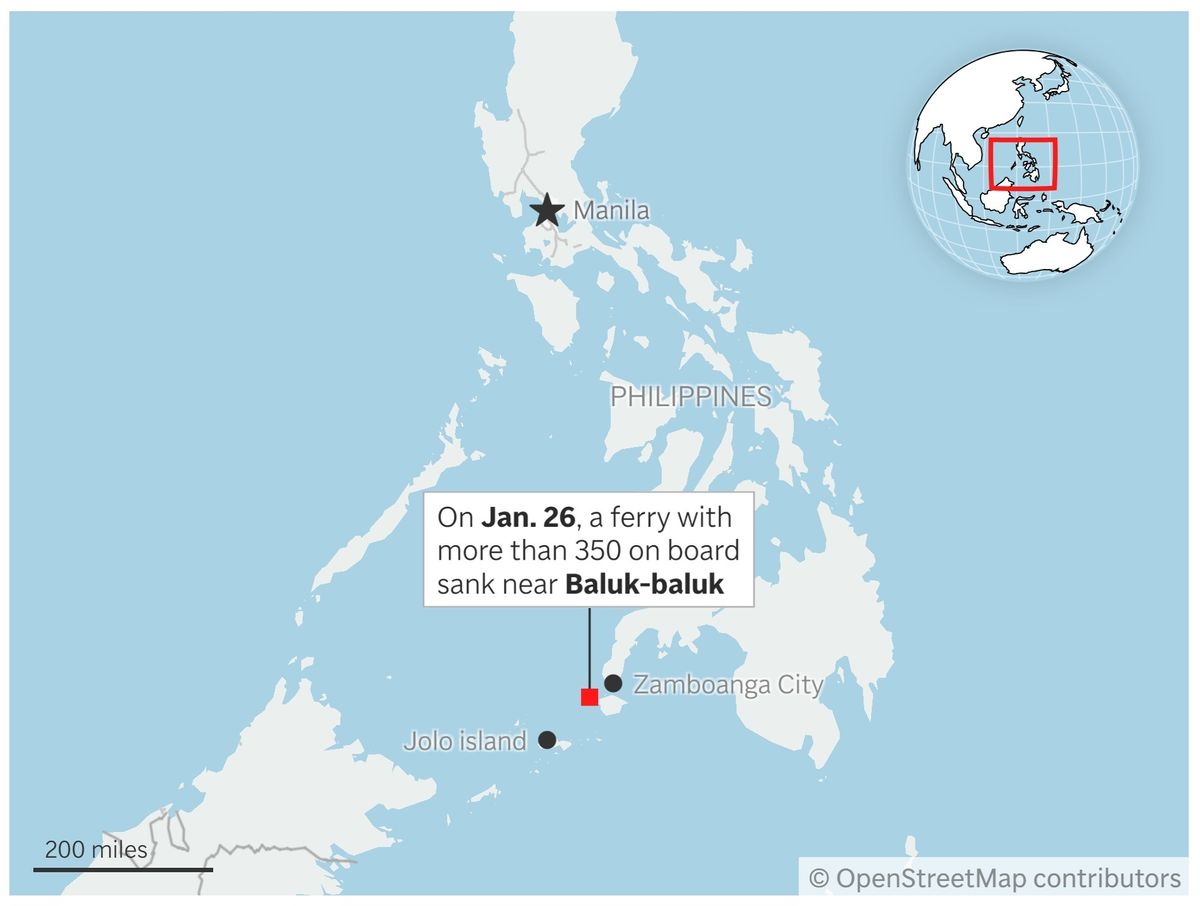
The steel-hulled cargo and passenger ferry, which had three decks, sank off the island village of Baluk-baluk in Basilan province while en route to Jolo island from the southern port city of Zamboanga with 317 passengers and 27 crew members on board.
The coast guard initially reported that it was carrying 332 passengers but later said 15 of them decided not to board at the last minute, Transport Secretary Giovanni Lopez said.
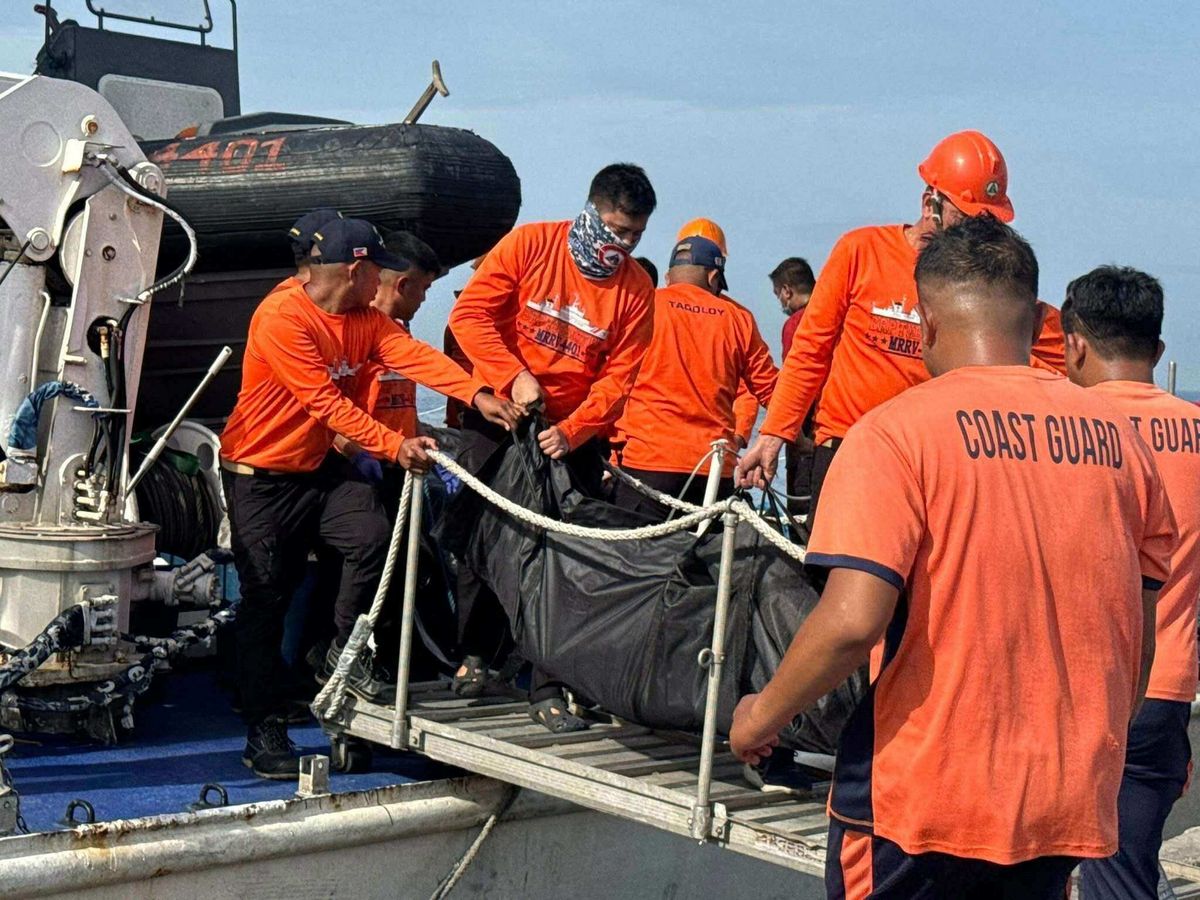
At least 316 people were rescued and 18 bodies, including that of an infant, have been recovered, he said.
Lopez said the indefinite grounding of all passenger ships of the ferry owner, Aleson Shipping Lines, Inc., would allow an inspection to determine their seaworthiness. Other companies would be allowed to deploy their ferries and the coast guard may provide free rides to prevent a major transport disruption in a region where ferries are the main mode of travel.
“We’ll make sure that this will never happen again,” Lopez said in a news conference, adding that Aleson’s ferries had figured in 32 safety-related incidents since 2019.
It’s not clear how many passengers ships would be grounded. The company did not immediately comment on the government order.
A rescued passenger, Mohamad Khan, who lost his 6-month-old baby, said the ferry suddenly listed to one side, hurling him, his wife and other people into the sea in the darkness. Khan and his wife were rescued but their baby drowned.
The Philippine archipelago has a disturbing history of sea accidents, which have been blamed on storms, badly maintained vessels, overcrowding and spotty enforcement of safety regulations, especially in remote provinces.
In December 1987, the ferry Dona Paz sank after colliding with a fuel tanker in the central Philippines, killing more than 4,300 people in the world’s deadliest peacetime maritime disaster.