






NEW YORK (AP) — Quarterly financial updates from a wide range of major U.S. corporations, including technology companies and airlines, will dominate the calendar this week. But there will also be new data on jobs and the mood of American consumers who feel overburdened by rising prices on everything from beef to a gallon of gas.
Inflation has also weighed on U.S. corporations, as shown in data last week on producer prices and import prices, both of which measure rising costs before they hit the consumer.
Here’s a look at some of the key reports coming in the week ahead.
Corporate earnings reports could reveal impact of inflation
Investors will get a broad view of how companies are handling the persistent pressure of inflation through the lens of toy sales, streaming entertainment viewership, computer chips and airline bookings.
Wall Street expects another big surge in profits from companies in the S&P 500 index. Overall, analysts polled by FactSet expect profit growth of just under 30%, with the energy industry leading the way, followed by the tech sector.
On Tuesday, General Motors reports quarterly results. Industry analysts believe profits surged. Toymaker Hasbro and streaming entertainment giant Netflix also report Tuesday. Wall Street expects a slimmer profit from United Airlines Holdings on Wednesday. Airlines have raised fares, but it’s difficult to keep pace with rising fuel costs, as well as labor costs and other inflationary pressures.
Companies with ties to artificial intelligence also report quarterly earnings. Wall Street expects slimmer profits for Tesla, while Facebook owner Meta and IBM are expected to report profit growth. Investors want to know whether all the big AI investments are translating into future growth and whether a major run-up in stock values is justified.
Home-builder activity may level out following months of declines
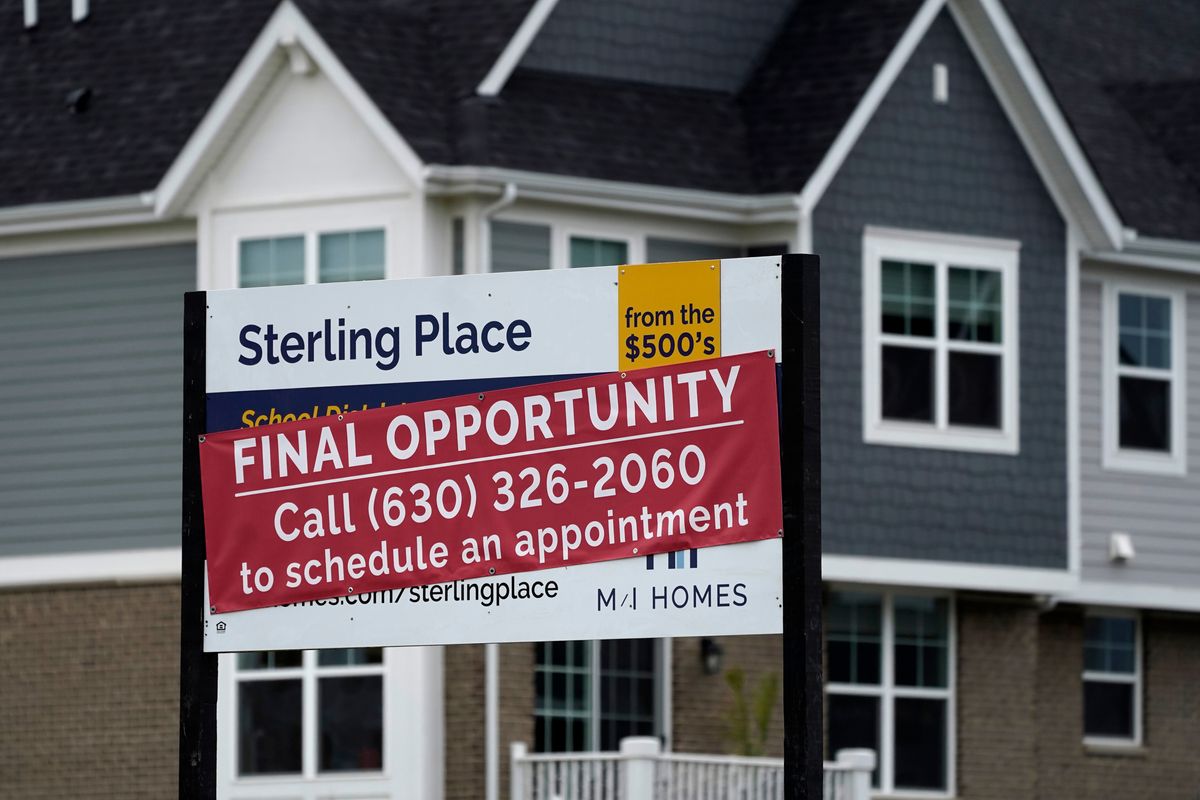
The U.S. releases its September report on new home construction Tuesday. The housing starts report is expected to show that homebuilding edged higher after two months of declines.
The housing sector has been in a slump since 2022, and high mortgage rates have become a difficult hurdle for homebuyers. So have rising construction costs. Building materials have grown much more expensive, as has labor, as the Trump administration continues an aggressive deportation campaign.
Homebuilders have lagged the broader market. KB Home and Lennar are down more than 20% in 2026, compared with a 14% rise in the S&P 500.
Consumers are growing increasingly anxious about the economy
The University of Michigan releases one final update for its October sentiment survey, which has been worsening. That tracks with other consumer confidence surveys showing that households are increasingly worried about inflation’s impact on their budgets and ability to plan for the future.
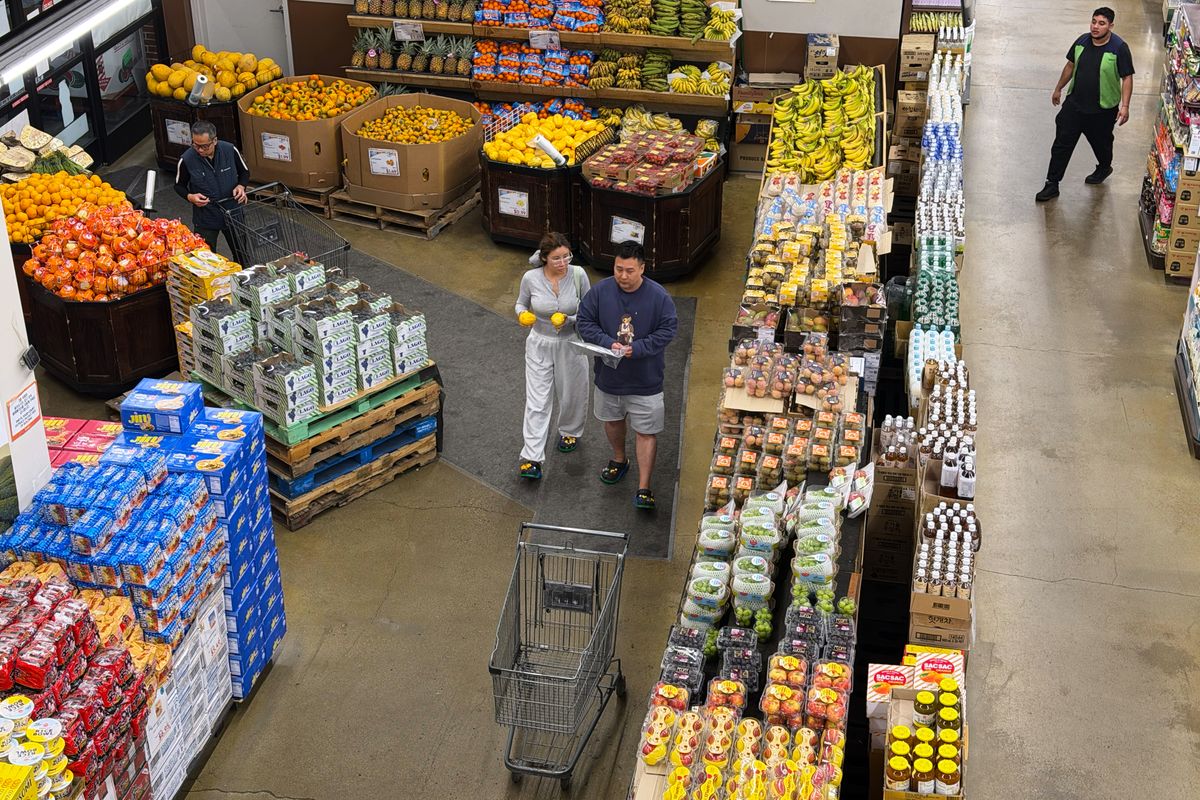
While American consumers are clearly feeling glum, they continue to spend. Part of the reason is simply that prices are higher. For example, according to data released last week, retail sales increased 0.8% in September, but if sales at gas stations are removed, they rose only 0.2%.
What is adding to consumer frustration is that those higher gas prices appear to be seeping into other parts of the economy. Wholesale food prices jumped 1.2% from August to September. The data indicated that rising fuel prices, particularly for diesel used by long-haul trucks and freight trains, are pushing up the cost of shipping and warehousing goods.
By DAMIAN J. TROISE
AP Business Writer