




WIIKWEMKOONG UNCEDED TERRITORY, Ontario (AP) — For thousands of years, Indigenous peoples have passed down their traditions and culture through oral storytelling. Now, a Canadian Indigenous community is using a data center to help preserve its heritage.
The Wiikwemkoong Unceded Territory in rural Ontario installed a small data center as it modernized its recordkeeping systems. Among the digital files it holds are video recordings of Anishinaabe speaking their native language.
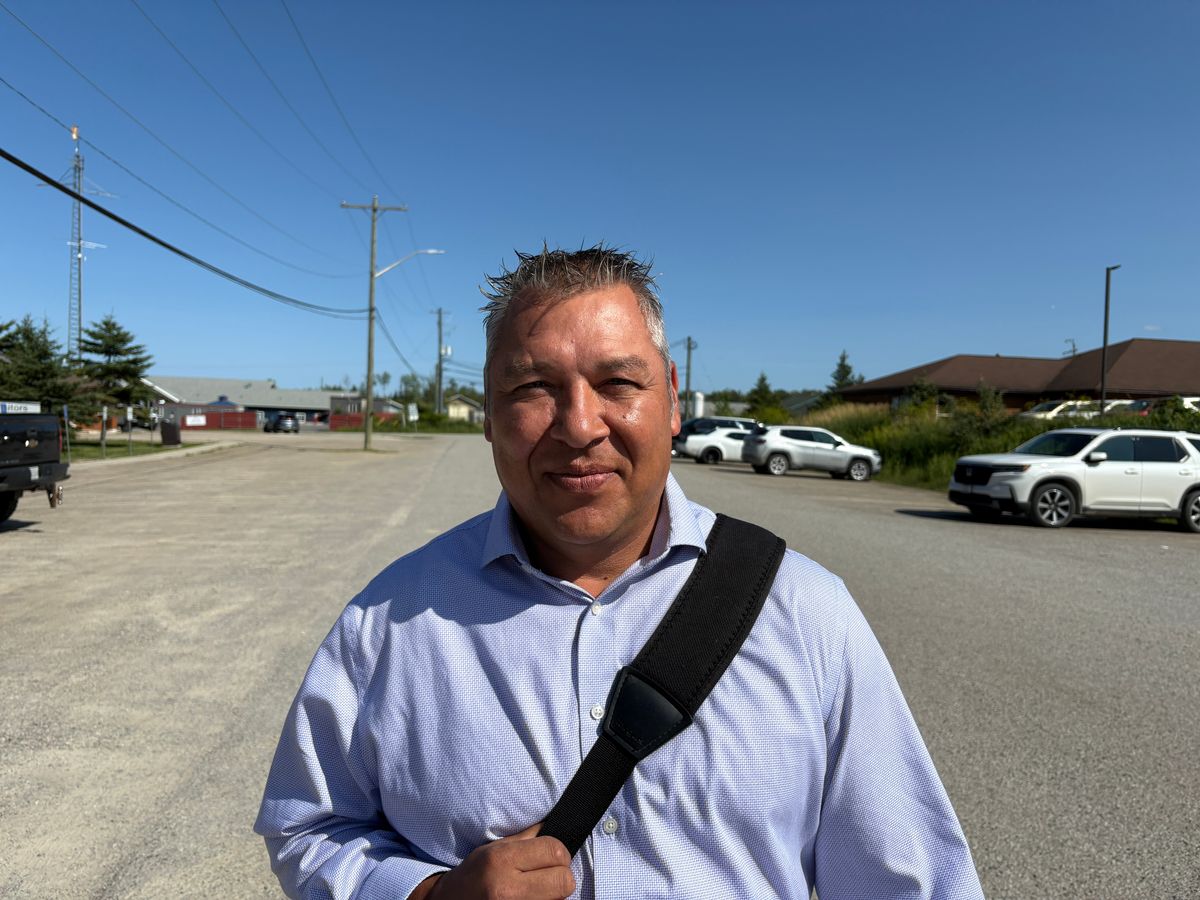
“Our language is one of the biggest things that most First Nations across the country are losing,” said Wiikwemkoong Chief Tim Ominika. “We will have our knowledge keepers, our language speakers who may be moving on to the spirit world, but their legacy is still going to be protected for many years to come by having our own data systems in place and protecting that.”
The idea of digital sovereignty has gained momentum in places like Europe, where leaders are wary of the widespread influence of American Big Tech. For the Wiikwemkoong First Nation and other Indigenous communities, it is also about asserting authority over their own information after historically being excluded from its collection and use by colonizers.
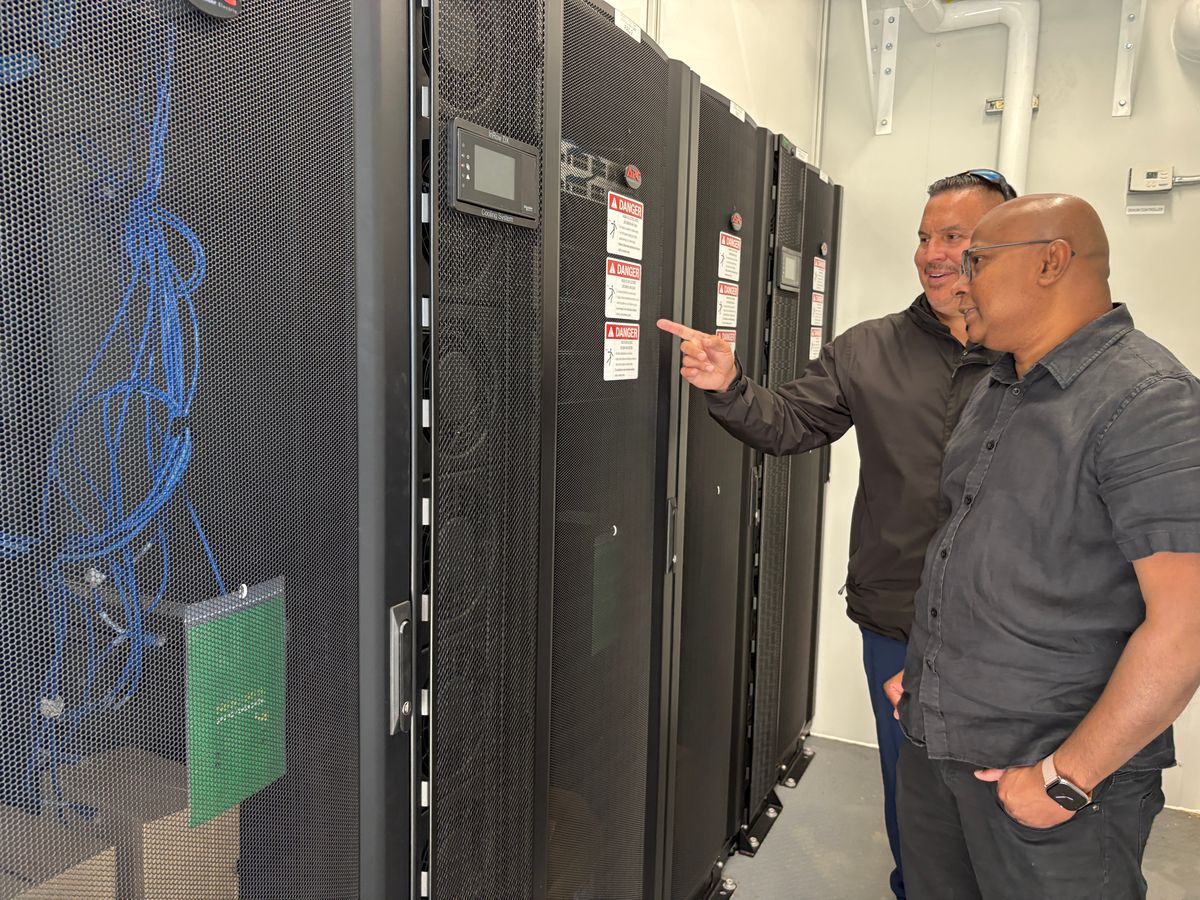
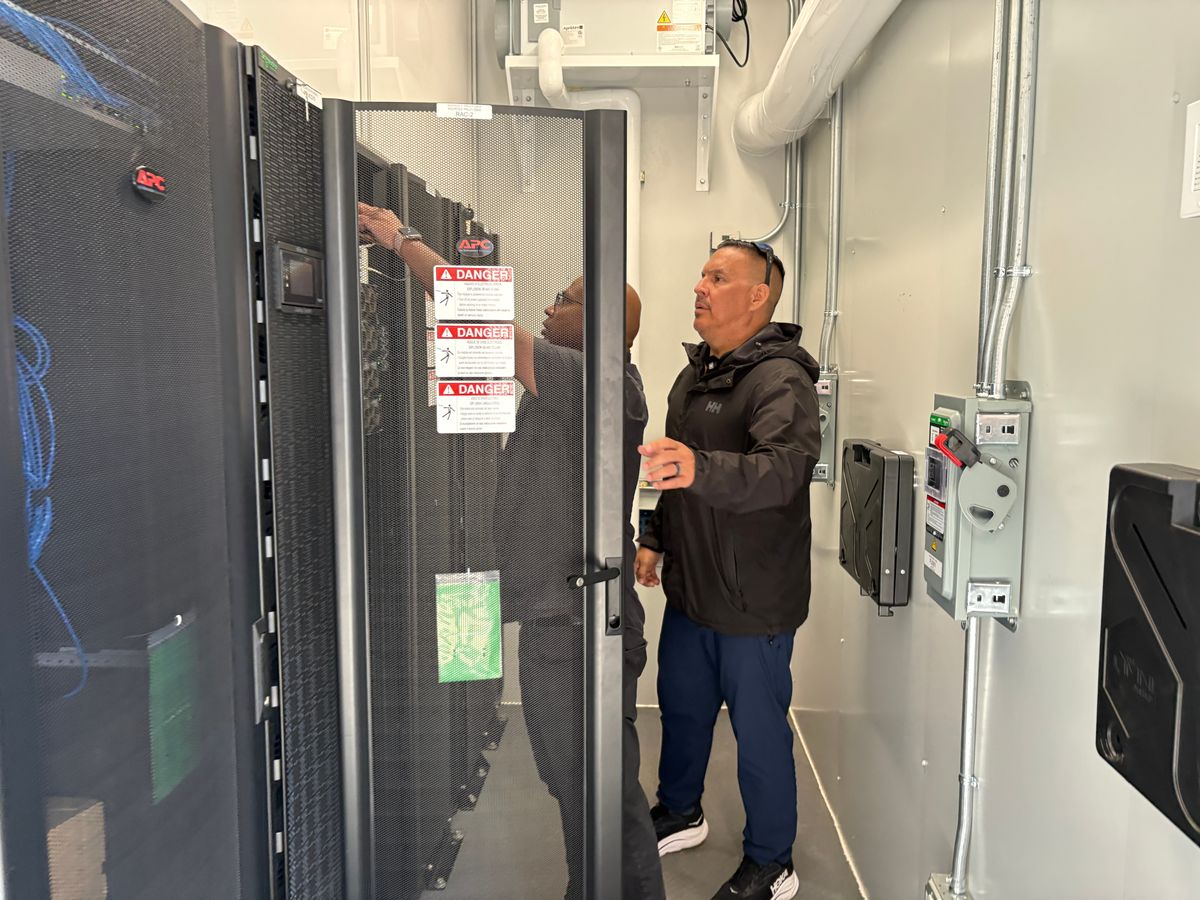
About the size of a single-car garage, the data center installed last year also stores the community’s corporate documents, health data for residents, and security camera footage.
“The purpose of all of this is having the ownership, access, control and possession of our information,” Ominika said. It’s about preventing anyone else from “having authority or setting their guidelines on what they could do with our data.”
The First Nation has been transferring all its information from a Microsoft data center in Toronto, about 190 miles (305 kilometers) south, said Michael McCormick, the community’s chief technical officer.
Other Indigenous communities have been taking an interest
Wiikwemkoong is on the eastern end of Manitoulin Island in Lake Huron, an area that attracts visitors with its rugged wilderness, extensive waterways and Anishinaabe cultural offerings. The reserve prides itself on being Canada’s only “unceded territory,” because it never signed a treaty surrendering its land.
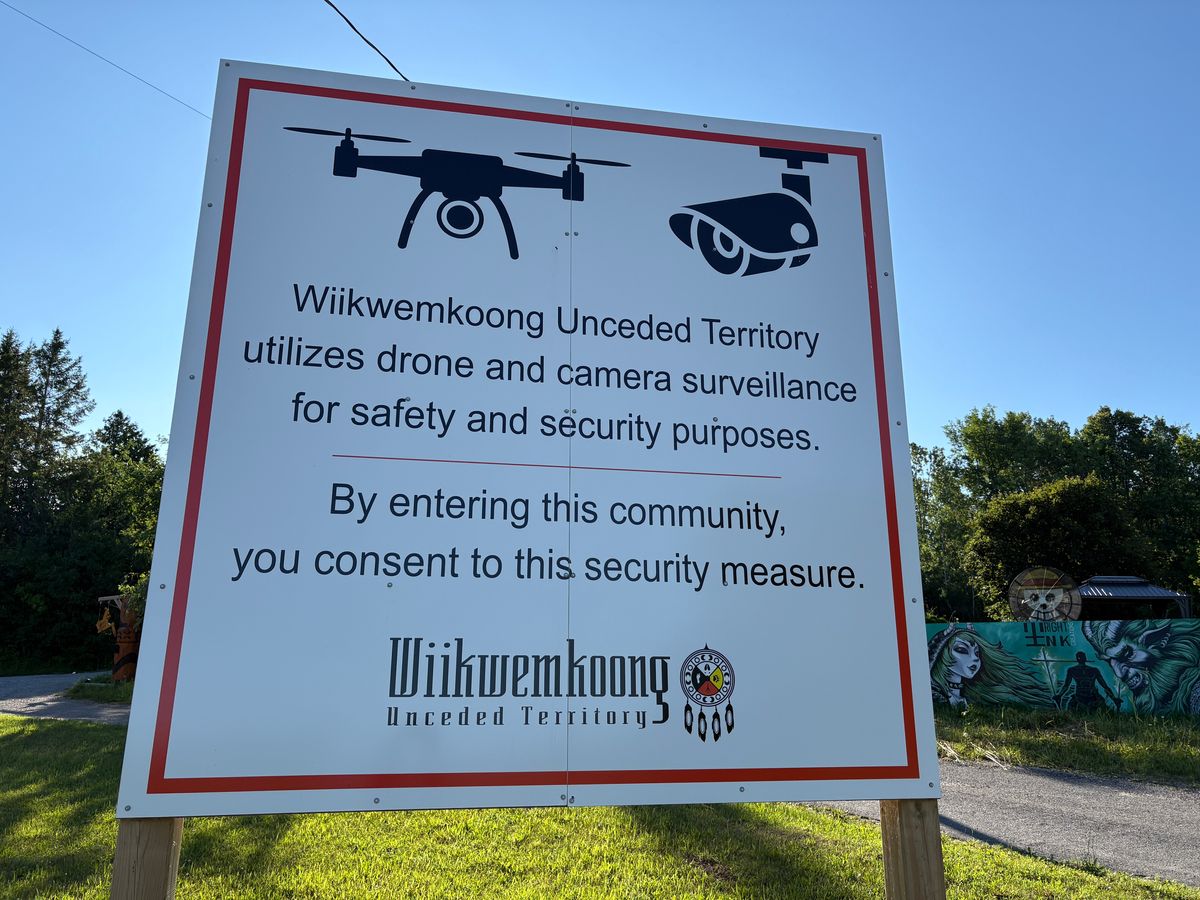
The data center, which underpins a modernization of Wiikwemkoong’s administrative services, also has paved the way for new public safety infrastructure, including a drone fleet and a network of surveillance cameras. A backup data center on the mainland and public Wi-Fi transmitters are also planned for the community of about 4,000 people. The chief declined to disclose how much is being spent on the projects.
Improvements to data storage gained urgency after a flood in 2022 resulted in the loss of some of its digital records, which had been scattered in various offices.
“That information is very important to us. And in order to protect it, keep it safe, we said ’Why can’t we not look at developing and creating and implementing our own data sovereignty program?’” Ominika said.
Wiikwemkoong’s upgrade program is among the first for Indigenous communities in Canada that include First Nations, Inuit and Métis. Delegations from other Indigenous communities in Ontario and neighboring Manitoba have come to check out the project, McCormick said.
The chief said he has to explain to visitors that their data center is not like the giant ones relied on by artificial intelligence companies that require vast amounts of land and water.
Wiikwemkoong’s data center sits in a secure bunker next to the administrative office, accessed by a facial recognition scanner. Its four racks of computer servers are cooled by a pair of fans — not water — and it has “a relatively small carbon footprint,” McCormick said.
In the U.S., a few Native American tribes like the Navajo Nation have for years been operating their own data centers for local infrastructure services.
Wiikwemkoong’s data center is believed to be the only one on Indigenous territory in Canada, but McCormick said other Indigenous leaders are increasingly savvy about control of their data. The Chiefs of Ontario, which represents 133 First Nations in the province, held a data sovereignty conference earlier this year that included a panel on AI and data centers.
For generations, Indigenous communities worldwide have had no say in how information on them has been collected, interpreted and held by governments, researchers and institutions, said Carmen Jones, director of research and data management for the Chiefs of Ontario.
“As more information is collected and stored, it is critical that First Nations determine how that data is accessed, managed, and used,” she said.
The technology has addressed some issues — and raised new ones
Amid the island’s natural splendor, the community faces its share of problems that community leaders hope the technology can help address.
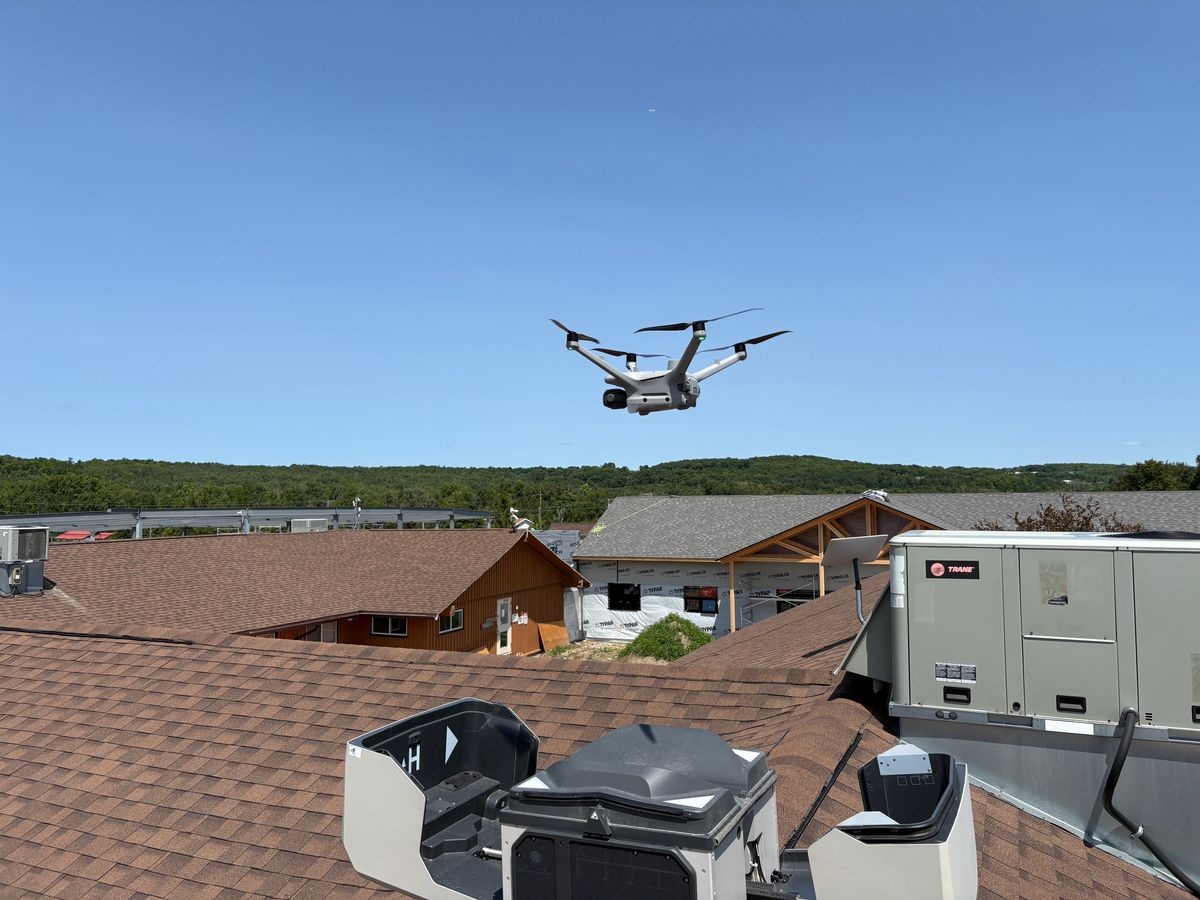
Since installing the data center, McCormick’s team has added 700 surveillance cameras around the community, and a dozen drone docking stations on the administrative office’s rooftop housing a fleet of DJI drones. They are used to find people who go missing in the area’s wooded hills, look out for criminal activity, such as drug deals and break-ins, and monitor for forest fires.
Ominika said there was “a little bit of resistance” to the drone program from residents worried about privacy.
Wiikwemkoong’s drones are supplied by DJI, a Chinese company whose drones have been blocked in the United States over national security concerns. McCormick said all drone footage would be stored locally. The chief said he wanted to make sure any information the drones collect “is going to be protected” and not “used against us, moving forward, by China.”
First Nations in Canada recognized the importance of data sovereignty decades ago, drawing up their own data governance principles in 1998 because they were often the focus of research by outsiders that didn’t benefit them. That argument is reflected in current criticism of Big Tech companies building AI large language models by scraping text, video, images and other data from the internet, often without permission.
Ominika said community leaders would be cautious and thoughtful when considering the use of AI.
“Once we start to realize and understand that there is a potential of any kind of resistance or harm towards our community, then we would put a stop there,” he said.
___
Cara McKenna of IndigiNews contributed to this report.
___ This story is published through the Global Indigenous Reporting Network at The Associated Press.
By KELVIN CHAN
AP Technology Writer