




DES MOINES, Iowa (AP) — Iowa voters will choose their next governor in Tuesday’s midterm elections, deciding between Democrat Rob Sand and Republican Zach Lahn in a race that could end conservative dominance across state government.
Sand and Lahn both campaigned on criticisms of the state’s status quo, including a deepening budget deficit, an increasing cost of living, dwindling health care access, high cancer rates and water pollution. But they offered voters starkly different visions for replacing Republican Gov. Kim Reynolds, who decided not to run again.
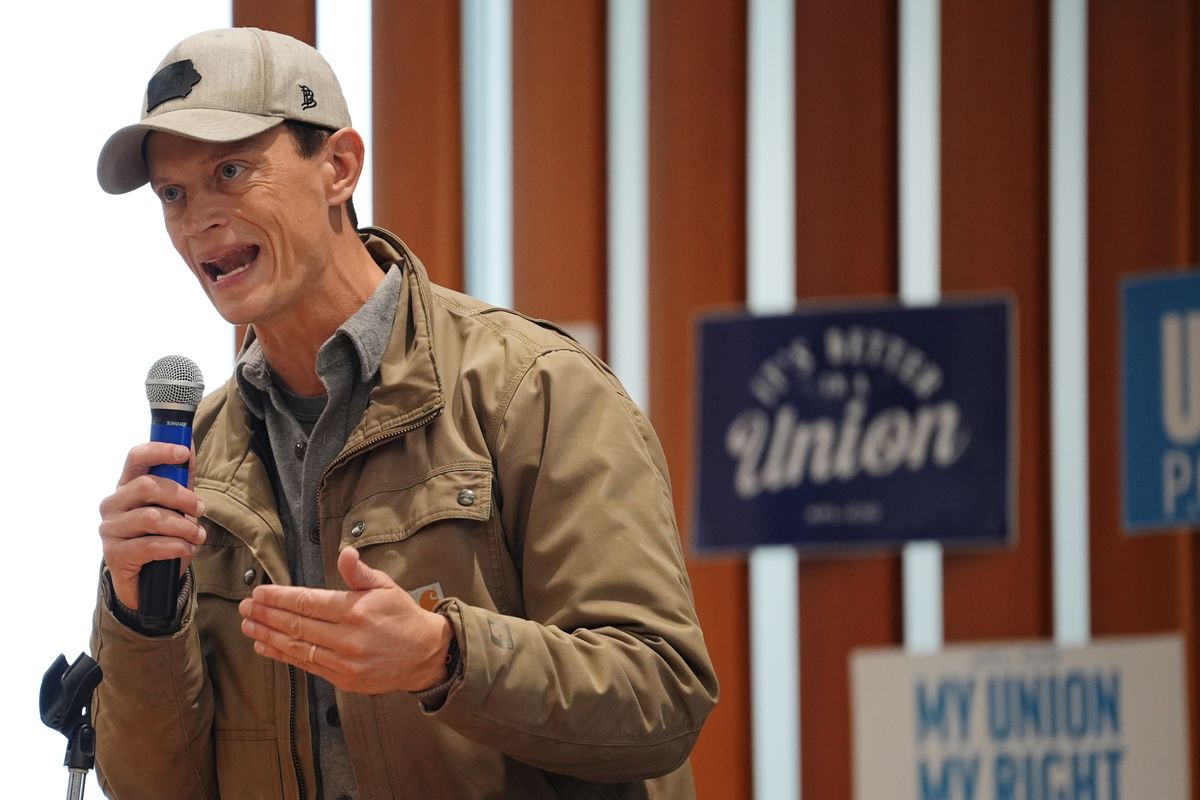
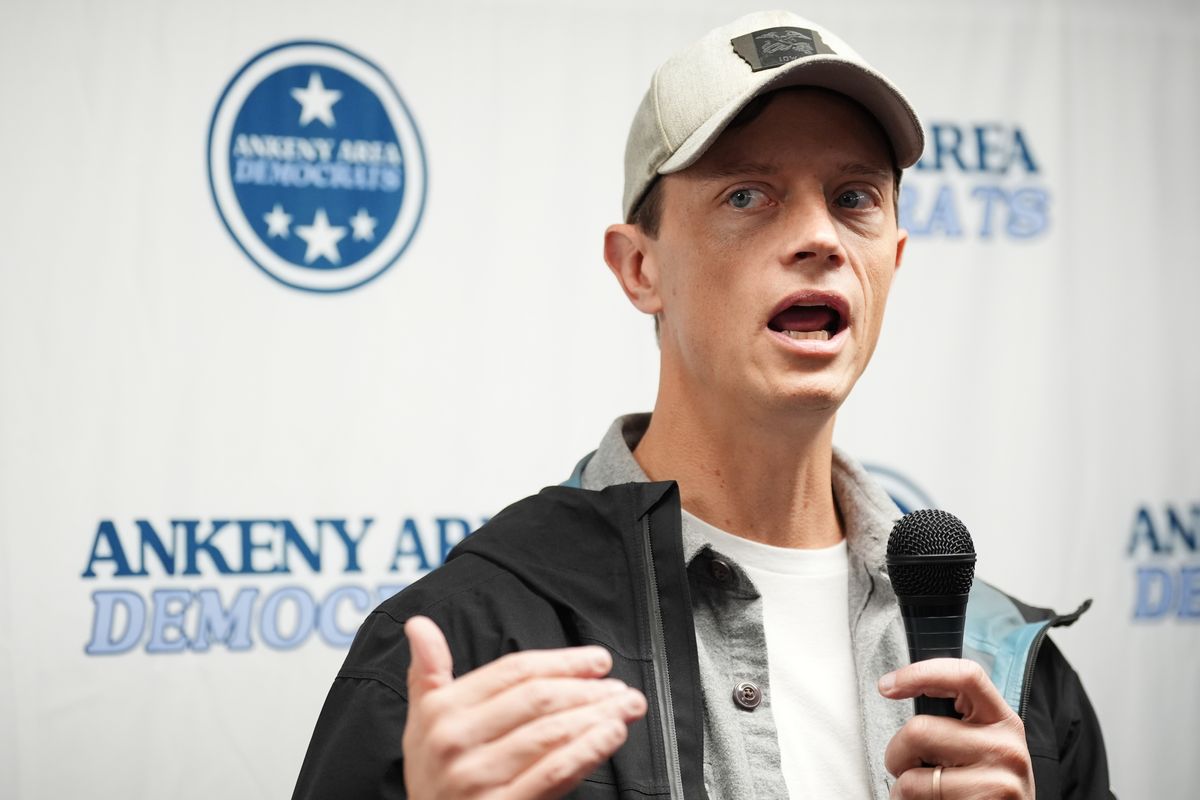
Sand is the face of his party’s hopes for restoring Democratic leadership, despite his efforts to keep his distance from partisan politics. He’s built his candidacy around his anti-corruption agenda as state auditor and his small-town upbringing. He won his last election by a razor-thin margin — fewer than 3,000 votes — but he has outperformed other Democrats in previous races, especially in rural areas.
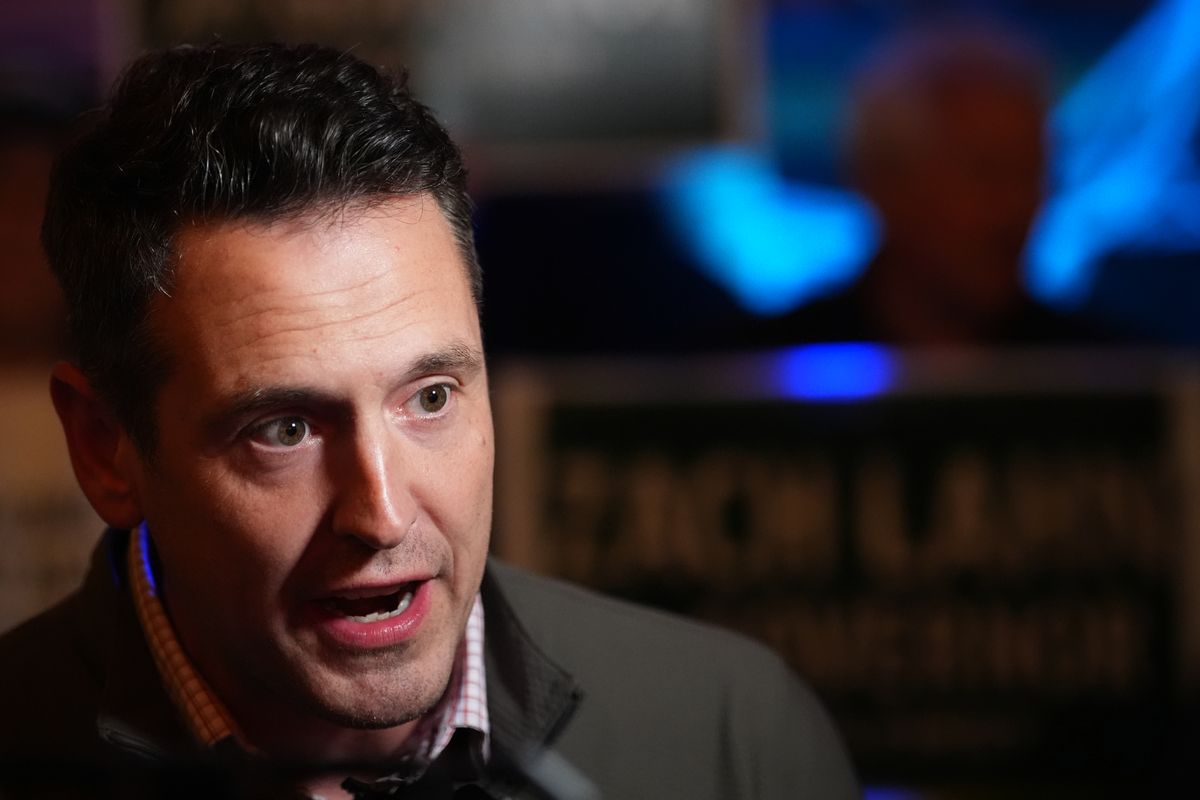
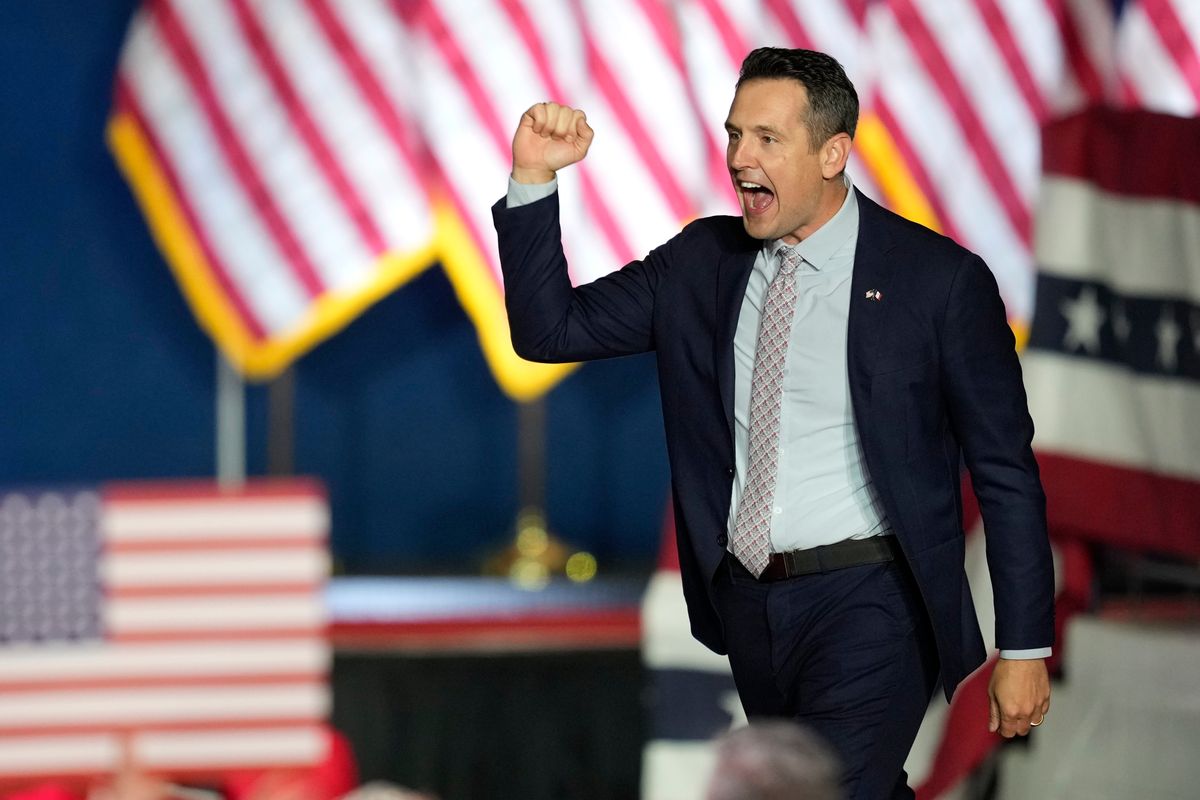
Lahn is a newcomer to Iowa politics who generated buzz from grassroots activists and supporters of Robert F. Kennedy Jr.’s “ Make America Healthy Again ” movement. He won the Republican primary over a congressman endorsed by President Donald Trump.
The open race — in a midterm when Republicans face national headwinds — revived Iowa’s status as battleground territory even though Democrats are outnumbered among party-affiliated registered voters.
In a sign of the campaign’s competitiveness, many of Iowa’s prominent industry groups in agriculture and business declined to weigh in on the contest, endorsing in other contests but not the governor’s race.
Sand emphasized his moderate nature and roots
Sand, 44, often laments the way the country’s political system forces people to pick sides, even as he has only run for office as a Democrat and has donated substantially to the party. He acknowledged he’d likely have to work with Republican majorities in the state House and Senate, saying divided government would be good for solving problems.
Throughout his campaign, he criticized Republicans for ignoring a worsening budget deficit that’s emerged from their tax cuts and investment in education savings accounts, which provide students with public dollars to pay for private school tuition.
He said he’d also be a check on Republican efforts to push culture war bills from the Statehouse, such as further limits on abortion or restrictions on how teachers discuss certain topics.
Sand has worked for years to build a visible — and likable — public profile in the state by holding annual county town halls, publicizing his findings as a former state prosecutor and as auditor and being active on social media. That included posting about what he’s eating around the state, nodding at his northeast Iowa roots and sharing his bowhunting escapades.
Lahn was charting a new path for Iowa GOP
A first-time candidate who was little-known when he began running for governor, Lahn’s general election campaign was scaled up quickly after his surprise victory in the June primary.
Lahn, 40, won the primary by less than a percentage point over U.S. Rep. Randy Feenstra, who had Trump’s backing. Still, in a five-way race, he prevailed with only about a third of Republican primary voters supporting him.
Before launching his campaign for governor last November, Lahn had worked on launching innovative schools, including one in Wichita, Kansas, funded by Chase Koch, the son of Koch chairman and co-CEO Charles Koch. Lahn also previously worked in Montana for the Koch-based conservative political organization Americans for Prosperity.
In Iowa, Lahn owns an investment company and has revived the eastern Iowa farm that had been in his family for a century.
Lahn was still relatively unknown to even members of his own party when he won the primary, and some were hesitant to get behind him. He was not shy about pushing back on traditional Iowa GOP positions and said he had already been successful in changing the narrative within the Republican Party.
He campaigned on bringing antitrust lawsuits against agricultural conglomerates, questioning the health and safety of products used by farmers and reducing incentives for out-of-state companies buying farmland.
Still, toe-to-toe with Sand in debates, Lahn leaned on traditional party positions in contrasting himself with Sand, saying Sand would be a liberal governor who would raise taxes, increase regulations and push a political agenda in public education.
Both candidates’ attacks got personal
Lahn criticized Sand for the millions of dollars that his wife and in-laws have contributed to his campaign. Contrasting Sand with himself as a first-time candidate, Lahn called Sand a career politician. Sand was a prosecutor under a Democratic state attorney general before running for auditor in 2018.
Sand played up Lahn’s background as a conservative political operative. Sand also hit Lahn for only recently returning to live in Iowa, registering to vote two years ago just before the deadline to run as a candidate in this election and traveling regularly out of the state.
Lahn has explained his frequent flights to Kansas as a result of his blended family, which he says won’t affect his ability to govern. Lahn and his wife, Annie, both have children from previous marriages who do not live full-time in Iowa.
By HANNAH FINGERHUT
Associated Press