





ALBUQUERQUE, N.M. (AP) — Federal and state authorities are scrutinizing a controversial strategy in which the Drug Enforcement Administration permitted fentanyl to hit the streets of New Mexico in an effort to build bigger cases against traffickers.
A new Associated Press investigation shows the practice was far more prevalent than previously known, with the DEA permitting at least 1.4 million additional pills to be trafficked between August 2024 and April 2025 as it closed in on the largest fentanyl bust in U.S. history.
Here are key takeaways from the AP’s latest reporting, which was based on thousands of pages of court documents, investigative records, detailed wiretap reports and 12 hours of DEA surveillance footage:
DEA ‘walked’ far more fentanyl than previously known
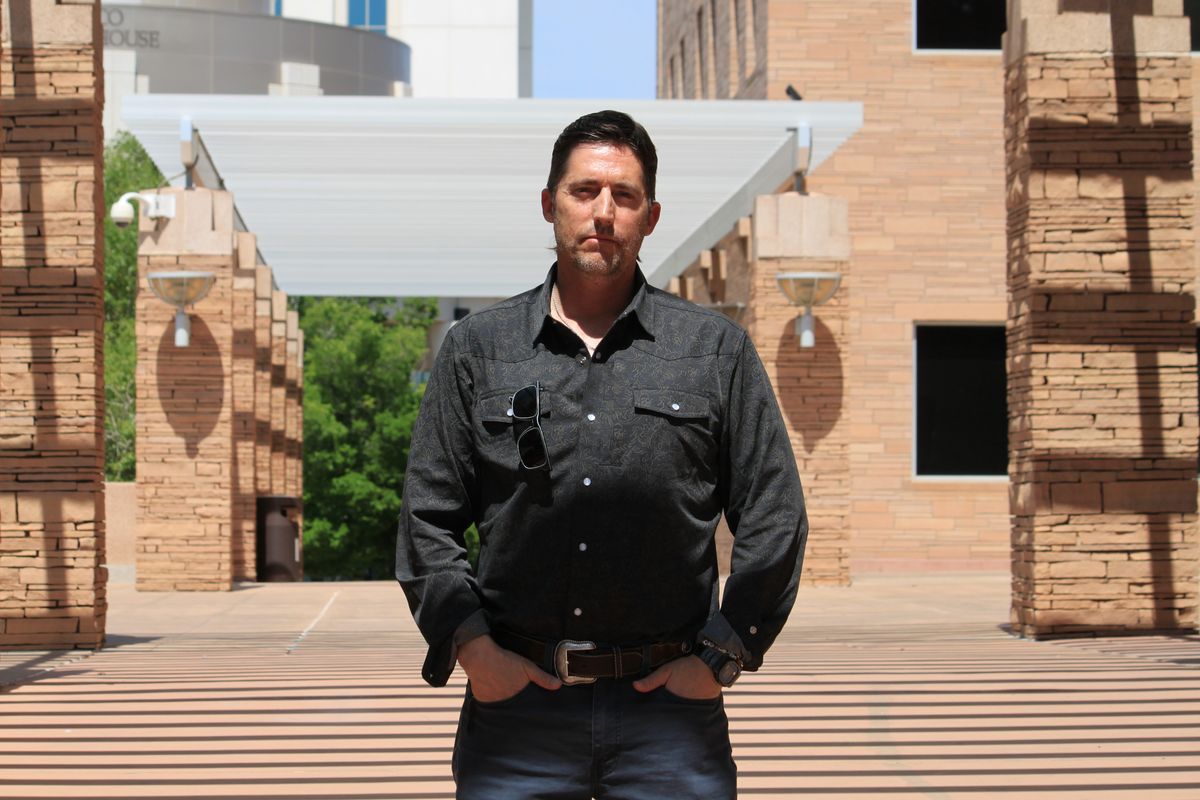
The AP previously revealed in June that DEA whistleblower David Howell and other agents in New Mexico had questioned the morality and effectiveness of the tactic, known as “walking” drugs.
But the number of pills that went unseized was much higher than the hundreds of thousands AP originally reported.
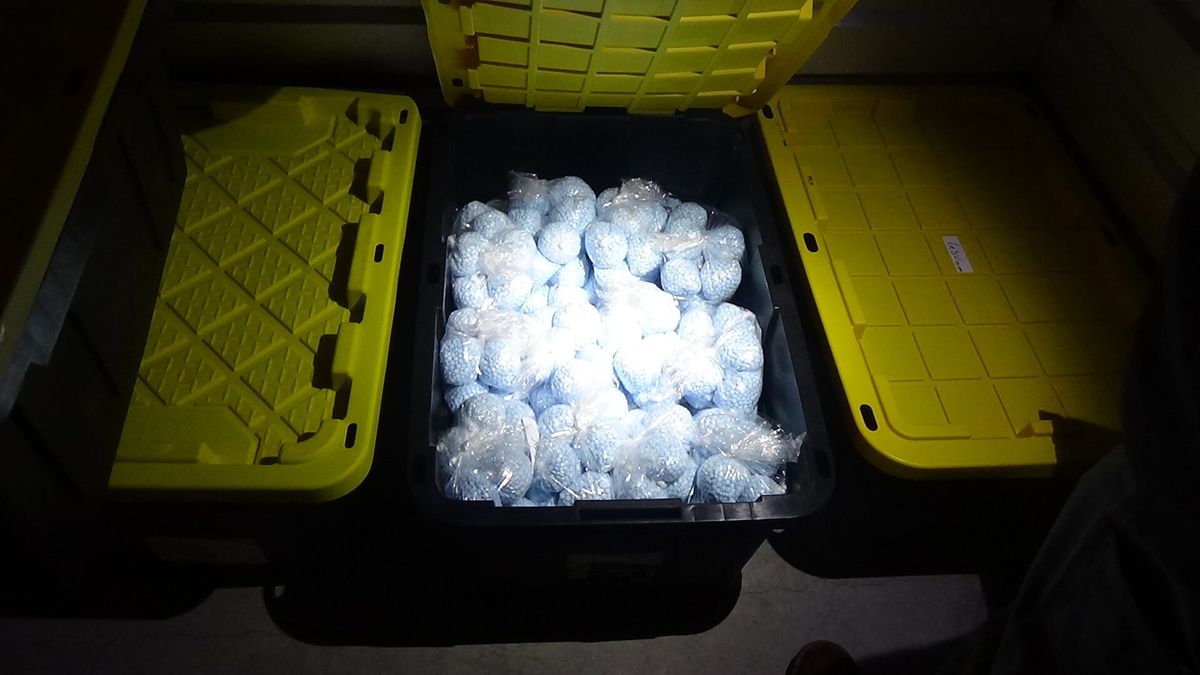
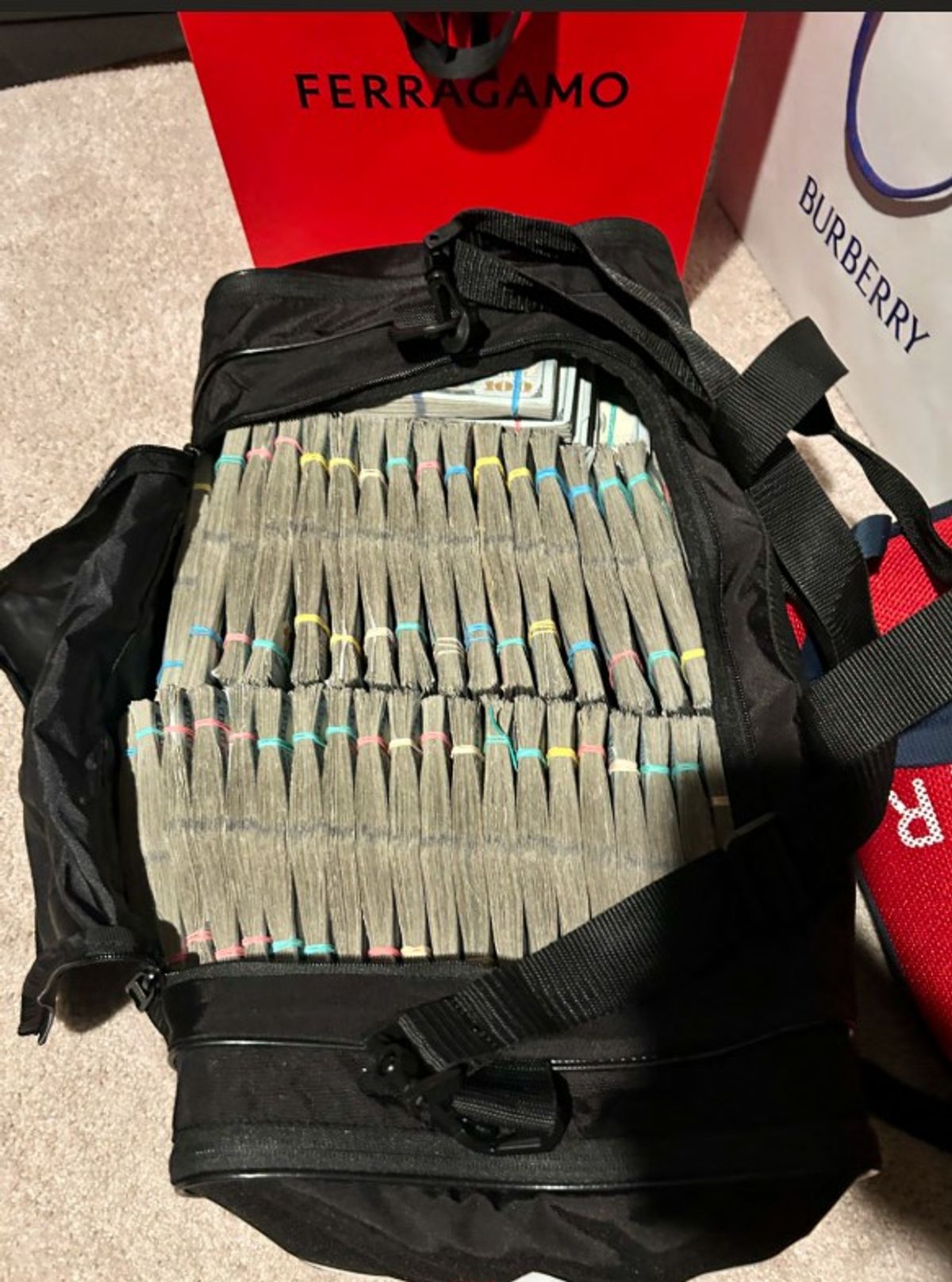
The DEA looked on — and often recorded from a surveillance plane circling above New Mexico — as dealers trafficked large packages of pills in plastic bins and duffel bags that passed through highly transited hotels, apartment complexes, Airbnb rentals and self-storage facilities in six states.
Agents also “walked” as many as 100,000 pills at a hotel in Albuquerque after the DEA surrounded the building in a stakeout.
“Everybody wants the big fish, but the big fish isn’t guaranteed,” said Brian Besser, a former DEA senior executive who oversaw the agency’s Rocky Mountain division. “When you’re dealing with a substance that can take this much human life, you can’t gamble like that.”
The DEA denies ‘walking’ fentanyl
Defenders of the wait-and-see approach say it can lead to bigger cases and the removal of higher-ranking bosses. But when Howell first spoke out, the DEA denied ever knowingly allowing the trafficking of a synthetic opioid the White House has designated a “weapon of mass destruction.”
The agency stood by that denial after AP obtained hours of DEA surveillance footage showing agents monitoring fentanyl shipments. The agency’s own wiretap reports provide detailed summaries and the number of pills that went unseized.
“Our response has not changed,” DEA spokesperson Amanda Wozniak wrote in an email.
She declined to answer questions due to an ongoing review by the U.S. Justice Department’s inspector general. The agency previously said its decisions were lawful and coordinated with federal prosecutors to prevent public harm.
The U.S. attorney’s office in New Mexico and Justice Department declined to answer questions.
“The Department of Justice is committed to using every lawful tool available to identify, disrupt and dismantle the organizations responsible for trafficking fentanyl into our communities,” Tessa DuBerry, a U.S. attorney’s office spokesperson, wrote in an emailed statement.
Justice Department rules today permit fentanyl walking
At times, the DEA has allowed traffickers to continue operating under surveillance when agents suspect they are moving cocaine, heroin and marijuana so as not to spook bigger targets.
Fentanyl, however, poses such unprecedented dangers — a few milligrams can kill the average adult — that the DEA for years ran a public safety campaign with the slogan “One Pill Can Kill.”
The Justice Department in 2017 began instructing agents to seize fentanyl whenever “practicable” since even unintentional contact can prove deadly. However, officials loosened those rules in 2024 to give agents more discretion even after Howell came forward.
“Agents are driving around in a car plastered with ‘One Pill Can Kill’ and at the same time walking hundreds of thousands of pills of fentanyl,” said Kevin Small, a former colleague of Howell’s. “They’re hypocrites.”
Lawmakers from New Mexico to Washington are incensed
The tactic has drawn bipartisan criticism in Washington and New Mexico. Congress has launched an oversight inquiry, and the New Mexico attorney general initiated a criminal investigation.
Even as the fentanyl crisis has subsided from its peak, it continues to batter New Mexico, where officials in Albuquerque recently declared a state of emergency and last week sued the DEA seeking $153 million in damages. Overdose deaths from the drug, much of it crudely manufactured in Mexico, spiked 44% last year in the state.
“This is like trying to prevent my house from burning down by negotiating with an arsonist,” New Mexico Gov. Michelle Lujan Grisham, a Democrat, said in an interview, referring to the DEA. “They are fully engaged in the cover-up because they know they went too far and it’s wrong.”
___
Goodman reported from Miami. Associated Press journalists Susan Montoya Bryan in Albuquerque, New Mexico, and M. Reo in Washington contributed reporting.
By JIM MUSTIAN and JOSHUA GOODMAN
Associated Press