




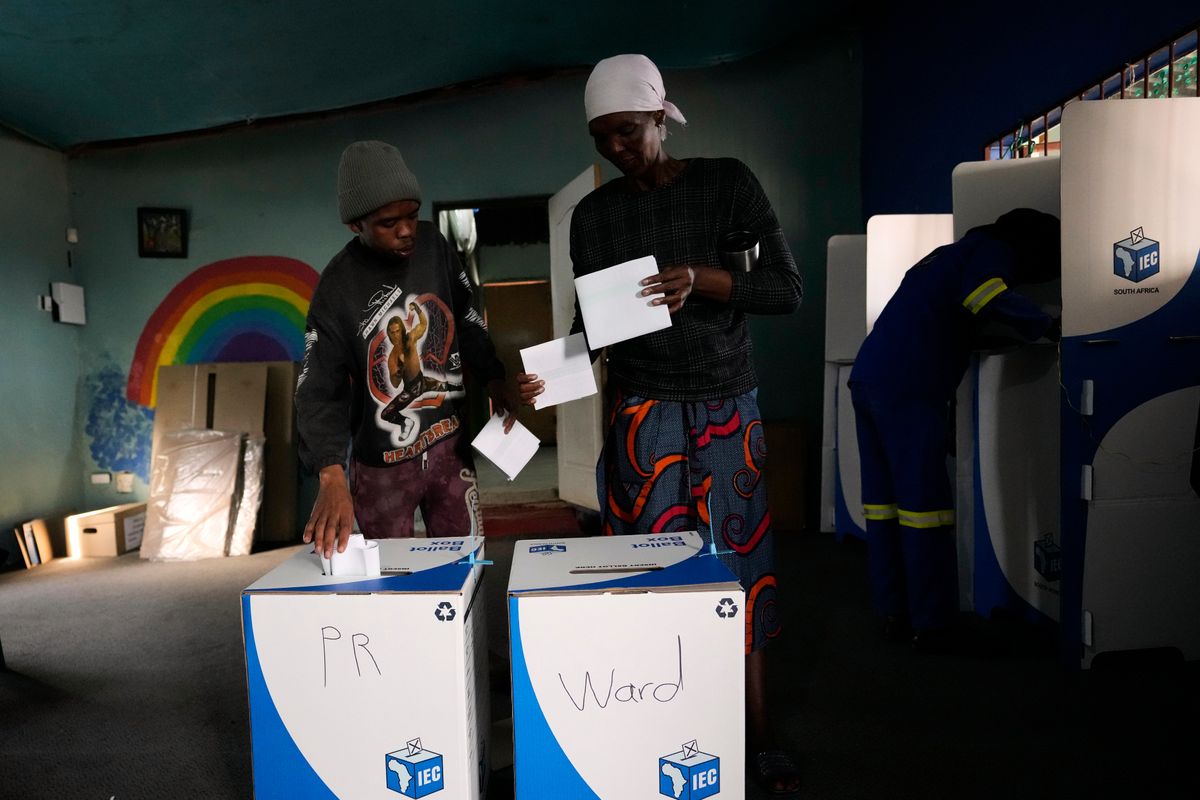
CAPE TOWN, South Africa (AP) — The African National Congress once rose above politics in South Africa as a movement dedicated to freeing the country from the oppression of apartheid with the lofty principles of democracy, equality and a better life for all.
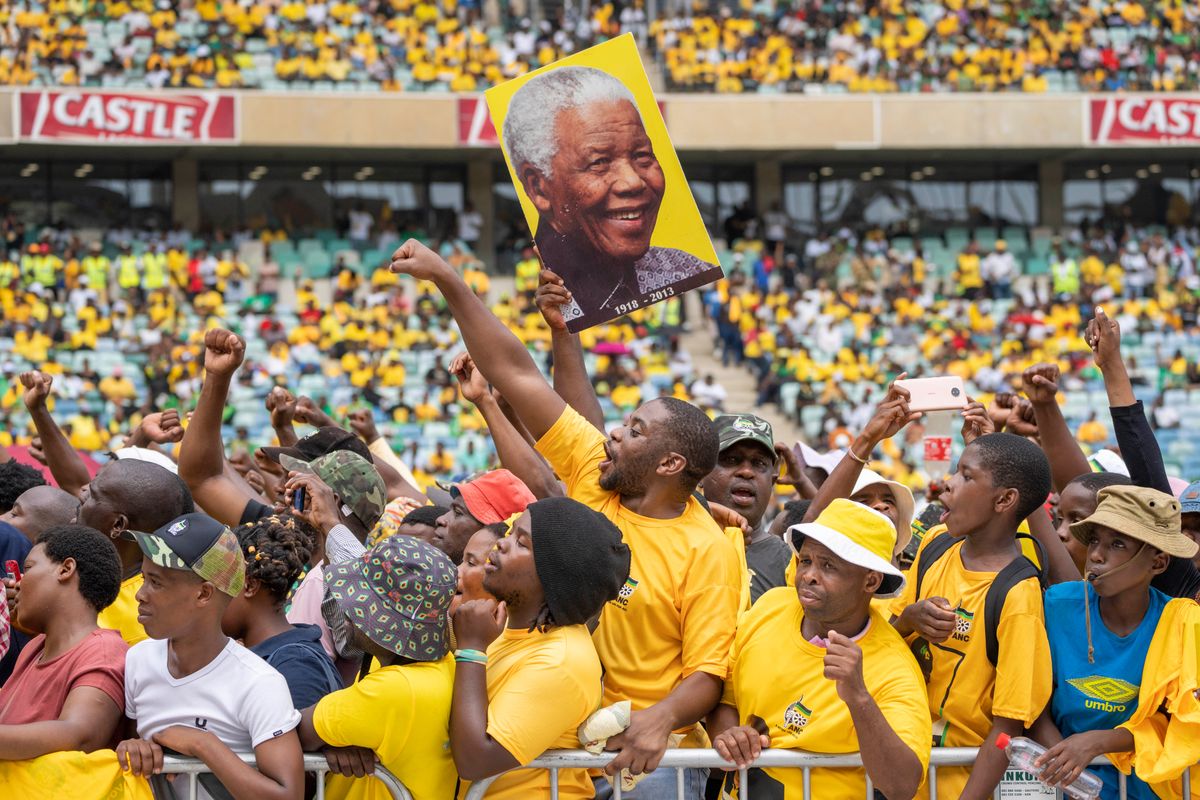
It was widely revered as a force for good when it became South Africa’s ruling party in 1994 under Nelson Mandela, who was imprisoned for 27 years by the apartheid regime for his opposition to the system of racial segregation.
But three decades after the ANC transformed from a liberation movement to a political party in government, it faces growing dissatisfaction from South Africans who feel it has failed to live up to its promises.
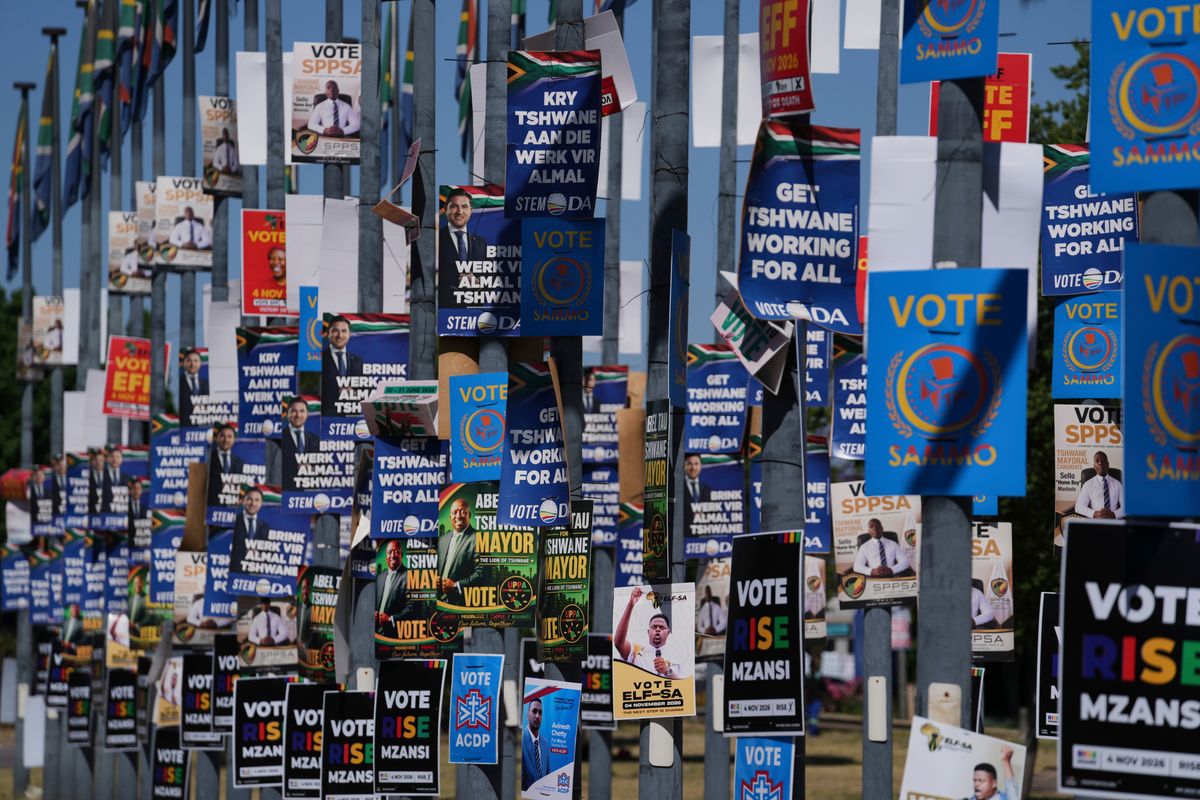
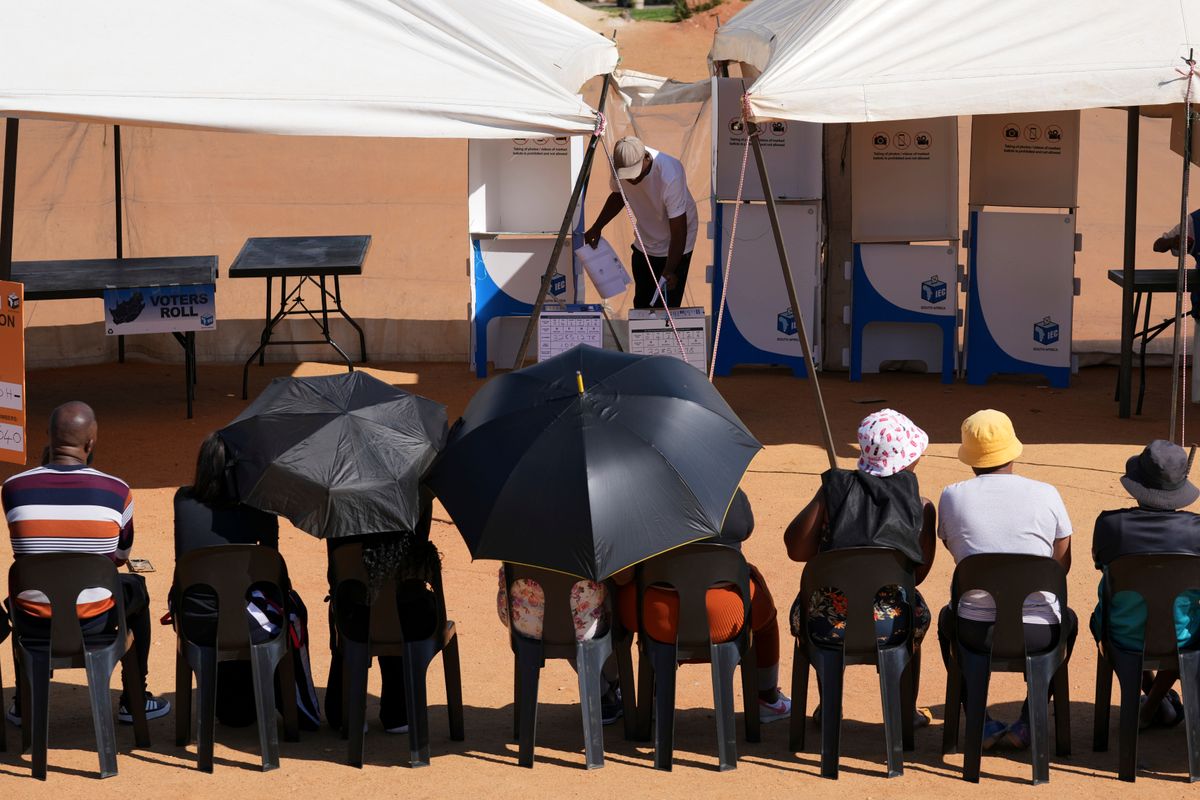
Results released Sunday from last week’s local elections showed the party’s share of the vote dropped 15 percentage points to just 31%, as South Africans rebuked it for failing to deliver basic services such as water and electricity.
Voters have steadily deserted the ANC
The ANC, which once commanded 70% of the vote and had no challengers, conceded to being humbled in the local elections — its worst performance at the ballot box ever. The party’s secretary-general called it a “catastrophic outcome” for the ANC and said it would enter a period of soul-searching to see how it could win back the trust of South Africa’s people.
Two years ago, the ANC lost its parliamentary majority in a national election with 40% of the vote. It considered that a disaster, and a chance for self-reflection, but its supporters have continued to desert it.
It is accused of broken promises
While the end of apartheid gave every South African the right to vote and other basic freedoms, the challenge for the ANC was to convert that into a better standard of living for people, especially for the poor Black majority.
That was difficult for the ANC government to sustain after some early success. South Africa has one of the highest unemployment rates in the world and is still ranked as one of the most unequal countries.
Its widespread poverty — which still disproportionately affects Black people — spurs most of the criticism of the ANC, which became the leading party in a national coalition government after losing its dominance in 2024.
The ANC has often pointed to the difficulties in reversing nearly a half-century of racist laws under apartheid and hundreds of years of European colonialism before that. It maintains that South Africa is a far better country without apartheid and that is undoubtedly true.
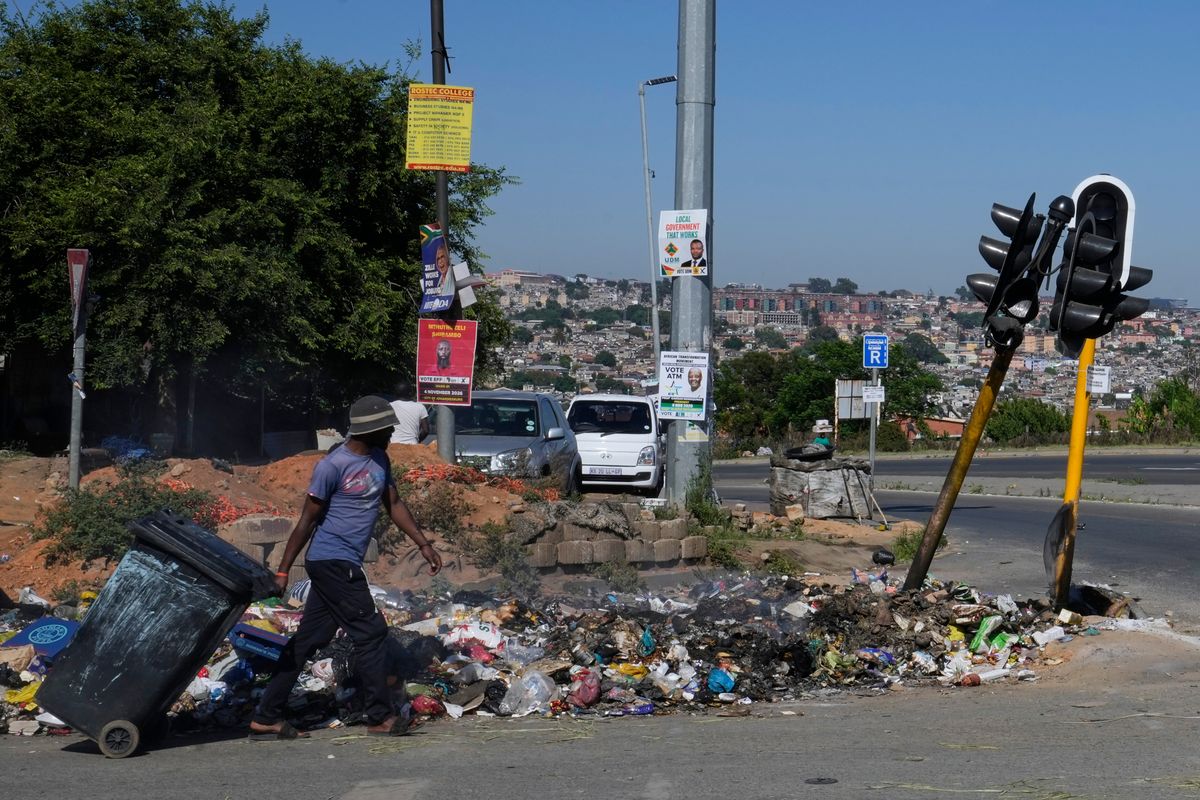
But the most pressing problems for many South Africans in 2026 boil down to a failure of basic government services, with communities across the nation faced with a lack of electricity in their neighborhoods, broken or nonexistent water and sewage systems, garbage piling up on streets and a shortage of housing that leaves millions living in shacks.
Those issues were seen as the driving force behind the ANC’s latest slump in support.
Corruption scandals keep damaging its reputation
While nearly 40% of South Africa’s population of 62 million live under the lower poverty line, according to the World Bank, ANC officials and allies have been implicated in enriching themselves in a succession of corruption scandals.
Corruption is alleged to have been especially bad under former President Jacob Zuma, who was accused of allowing a decade of rampant graft to play out before he was pressured to step down in 2018.
Current President Cyril Ramaphosa promised to clean up the ANC when he succeeded Zuma, but he has been involved in his own scandal over the source of more than half a million dollars in cash that was hidden in a couch at his ranch and stolen.
A judicial commission investigating corruption in the Zuma era exposed shocking graft. A new commission is looking into more recent allegations of collusion between senior police officers, political officials and corrupt businessmen that include more than $120 million allegedly being misappropriated from a hospital meant to serve a poor community.
The new scandals are also seen as the ANC’s failure.
There has been infighting and a schism
The ANC has been hampered by infighting since Mandela stepped down as president in 1999 after one term.
His successor, Thabo Mbeki, was forced out as Zuma undermined his position as the head of the ANC. The party turned on Zuma when the corruption allegations became overwhelming.
Zuma split from the ANC in a feud with Ramaphosa and started the new MK Party, which has further bled the ANC vote.
In its early days, the ANC celebrated that it was a “broad church” of people dedicated to freedom and democracy. It now has factions and divisions much like any other political party.
Is there a future when the ANC is not the biggest?
Zuma once said that the ANC would govern South Africa “until Jesus comes back.”
Yet from a dominant position, the ANC has lost swathes of support, especially among young urban South Africans who don’t remember apartheid.
It has clung on as the biggest party nationally and locally as South African politics becomes fragmented with many new parties winning small shares. But the ANC’s longtime opposition, the white-led Democratic Alliance party, won 25% of votes in last week’s municipal elections to come closer than ever to overtaking it.
The Democratic Alliance said that showed its potential to be South Africa’s biggest party, which would have been seen as a preposterous claim a few years ago.
___
AP Africa news: https://apnews.com/hub/africa
By GERALD IMRAY
Associated Press