





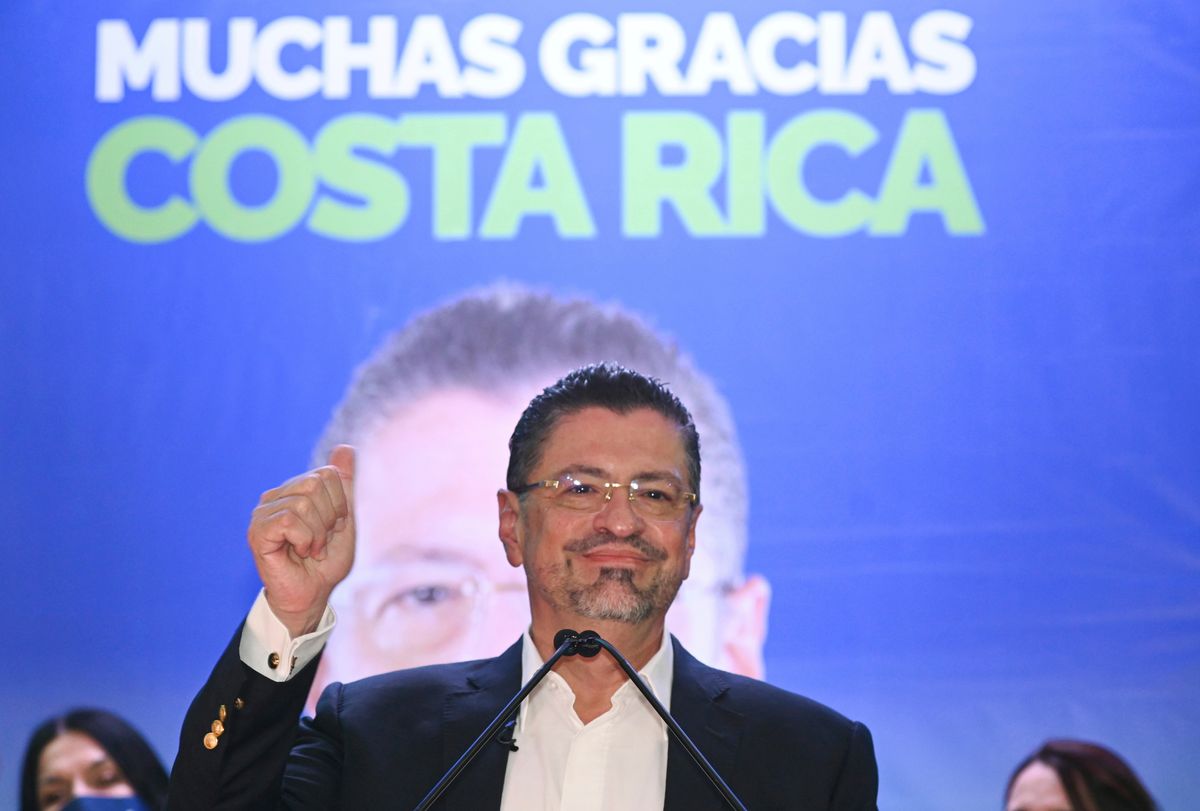
SAN JOSE, Costa Rica (AP) — Costa Rican voters choose Sunday between continuing the policies of outgoing conservative populist Rodrigo Chaves by electing his selected successor or giving a new chance to parties seeking to shed a self-serving, establishment image.
The historically peaceful Central American nation’s crime surge in recent years could be a deciding factor for many voters. Some fault Chaves’ presidency for failing to bring those rates down, while many see his confrontational style as the best chance for Costa Rica to tame the violence.
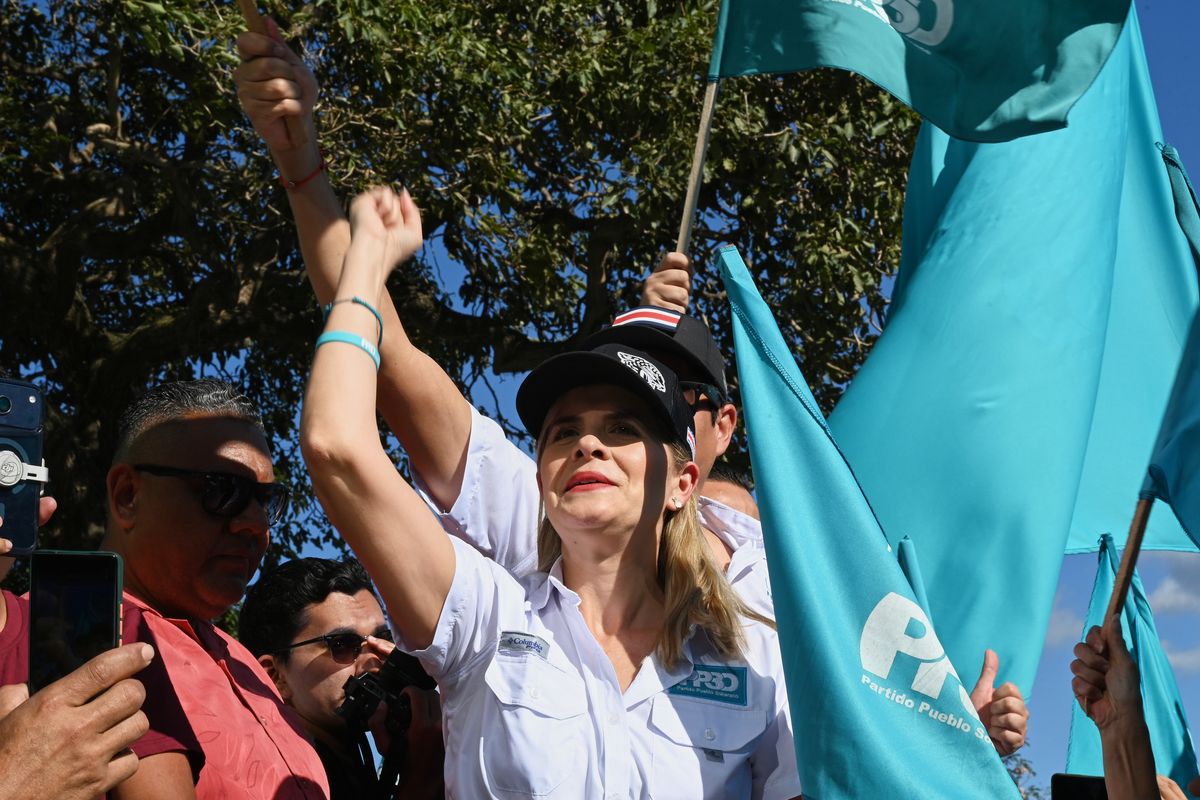
Laura Fernández, the Sovereign People’s Party’s candidate, was Chaves’ former minister of national planning and economic policy and more recently his minister of the presidency.
Promising to continue Chaves’ political program, she has maintained a comfortable lead in polls, but Sunday will determine whether she wins outright with 40% or more of the vote or has to face the second-highest vote-getter in a runoff on April 5.
Costa Ricans also will elect a new 57-seat National Assembly. Chaves’ party is expected to make gains, but perhaps not achieve the supermajority he and Fernández have called for, which would allow their party to choose Supreme Court magistrates, for example.
Twenty contenders are seeking the presidency, but Fernández is the only one who has consistently polled in double figures.
Far behind are a cluster of five candidates, including economist Álvaro Ramos of the National Liberation party and former first lady Claudia Dobles, the candidate for the Citizen Agenda Coalition, who could all potentially make the second round if Fernández does not wrap it up Sunday.
Four years ago, Chaves ran an outsider’s campaign that carried him to victory over the country’s traditional parties, despite the fact that he had briefly served as economy minister in one of their administrations. His framing of traditional parties as corrupt and self-interested resonated in a country with high unemployment and a soaring budget deficit.
Constantino Urcuyo, a political-science professor at Costa Rica University, said the social upheaval in the country that carried Chaves to power is not unique, mentioning similar examples of conservative populists winning presidencies in Argentina, Ecuador and the United States.
He said Chaves’ party has attacked the country’s institutions — Chaves has relentlessly criticized the judiciary and legislature for challenging his initiatives — and wants to change the entire constitutional framework.
“The election is crucial,” Urcuyo said. “It is between people who want a radical change of the system and those who want to reform the system.”