




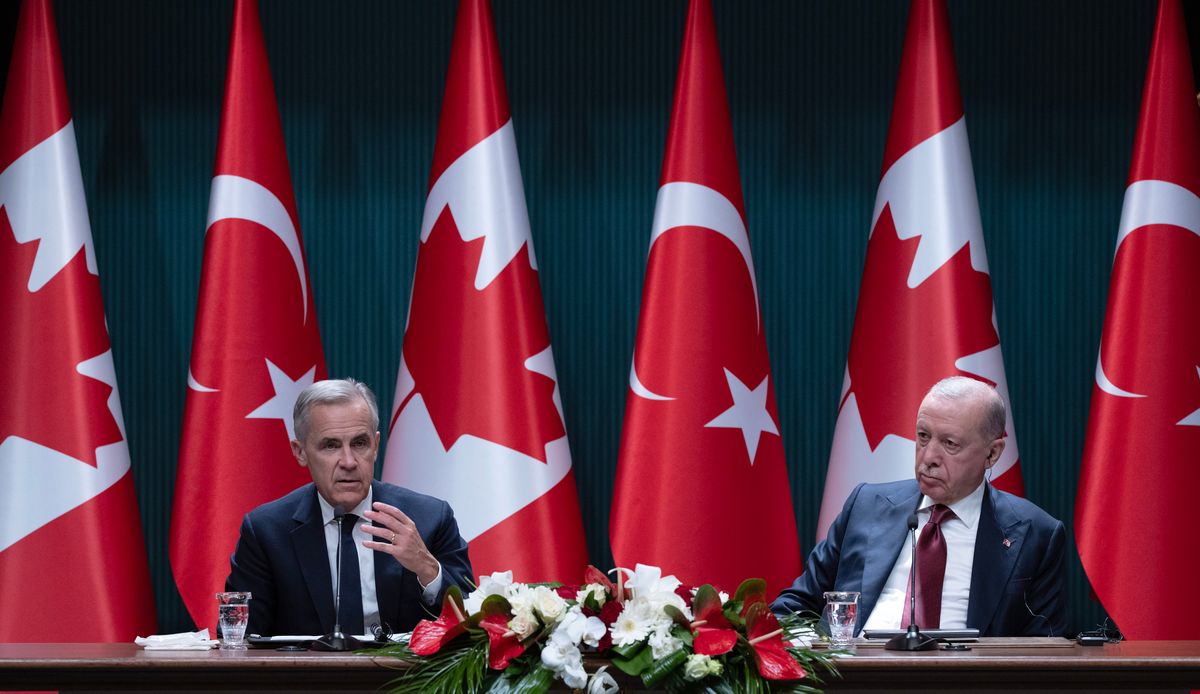
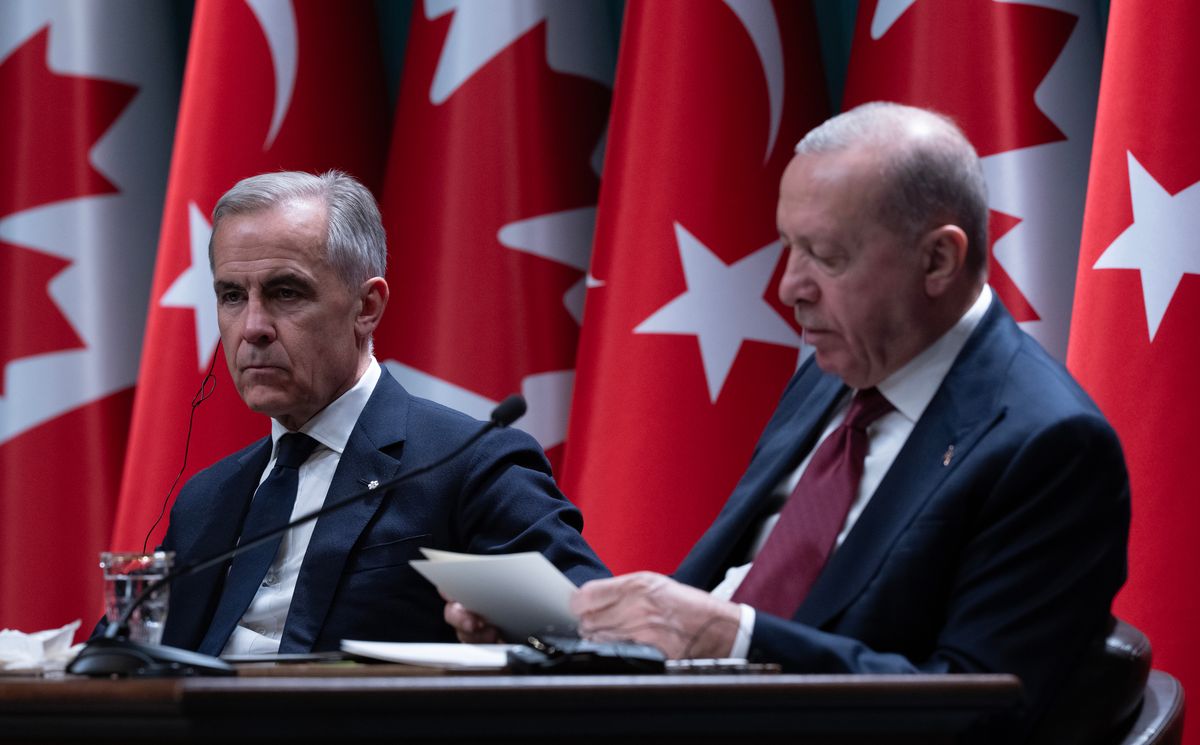
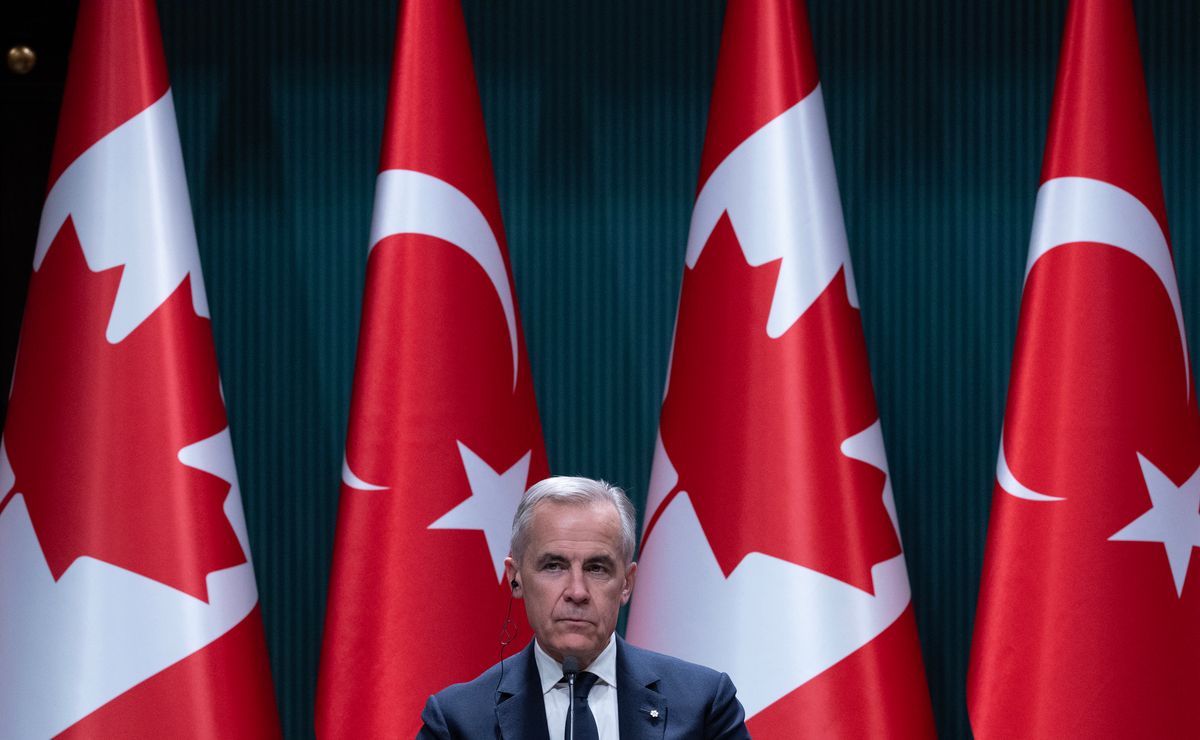
ANKARA, Turkey (AP) — Canadian Prime Minister Mark Carney and Turkish President Recep Tayyip Erdogan announced a “strategic partnership” Thursday as Canada seeks to reduce its dependence on the United States.
The two leaders oversaw the signing of three cooperation agreements covering the defense industry, transportation and energy. They also announced the start of negotiations on a free trade agreement.
“We have taken a historic step toward the future of our relations,” Erdogan said after the signing ceremony. “Elevating our relations to the level of a strategic partnership will not remain merely on paper; it will not be a merely symbolic step.”
Carney has sought to diversify Canada’s partnerships amid an escalating trade war with the U.S. after President Donald Trump imposed tariffs on Canadian goods. The dispute has been marked by Canadian retaliation and statements by Trump questioning Canada’s sovereignty.
“No country, whatever it’s blessed with, no country builds strength alone,” Carney said. “The most resilient countries bring together complementary strengths, with trusted partners.”
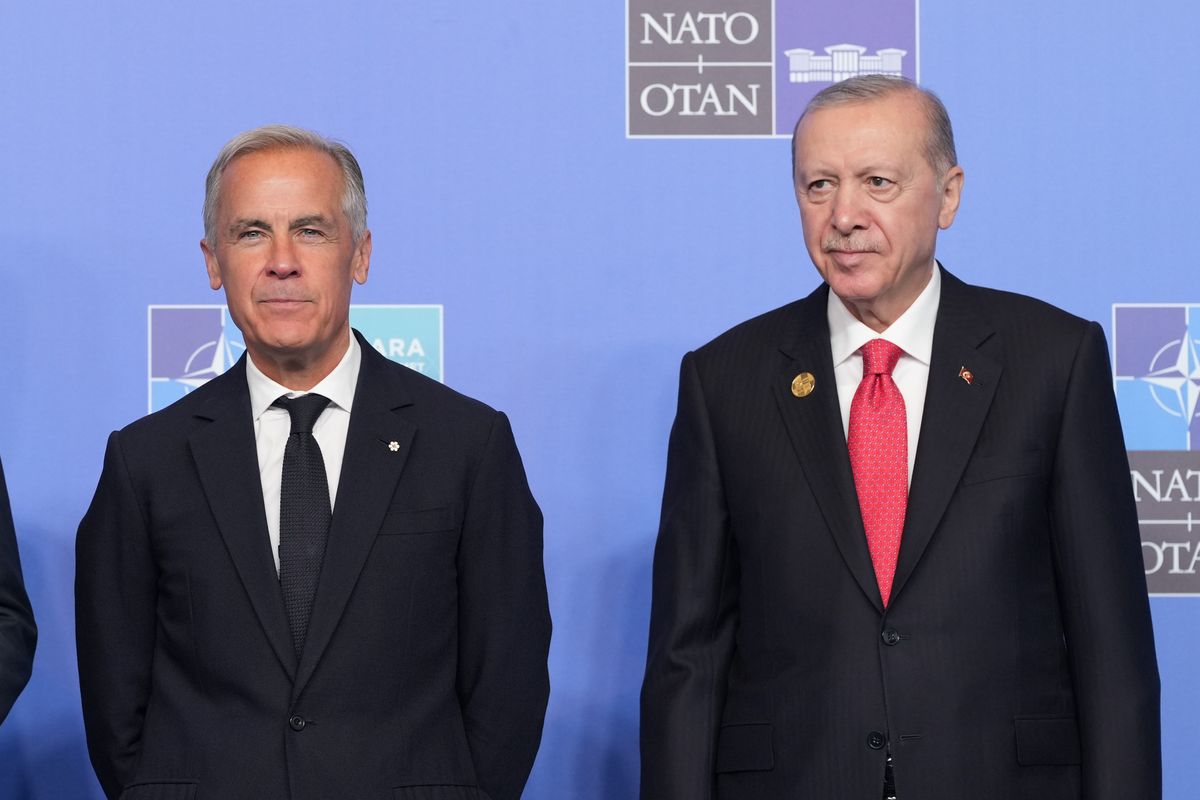
Carney is making the first bilateral visit to Turkey by a Canadian prime minister, although he traveled to Ankara in July for the NATO summit. He is scheduled to visit Istanbul on Friday for talks with Turkish business groups.
In a sign of improving ties, Canada lifted its ban on the export of weapons to Turkey in 2024. It had imposed the restrictions following Turkey’s military incursions into Syria and over Turkey’s support for Azerbaijan in its conflict with Armenia, including providing equipment that used Canadian-made parts.
“Allies must be able to rely on each other for equipment and capabilities that keep us safe,” Carney said.
“Today’s new agreement on defense industry partnership will connect Canadian and Turkish companies to work together, creating good jobs at home, export opportunities abroad, greater security for our citizens and contributing to a stronger NATO alliance,” he added.
Erdogan said both countries hope to increase annual bilateral trade volume from around $3 billion to $5 billion initially, and then to $10 billion.
Turkey plans to build a second nuclear power plant on its Black Sea coast, in addition to one under construction by Russia’s Rosatom on the Mediterranean coast. Canada has expressed interest in participating in the project.
Amnesty International on Thursday urged Carney to raise human rights concerns during his trip.
His visit comes amid an intensified crackdown on Turkey’s opposition. Authorities have arrested journalists and activists, including LGBTQ rights defenders, and installed a government-appointed administrator to run a popular opposition-aligned television station.
Istanbul Mayor Ekrem Imamoglu, who is considered to be a main rival to Erdogan, has been imprisoned for over a year on corruption charges he denies. Hundreds of party members and elected officials have also been detained in a crackdown critics say is designed to cripple Turkey’s largest opposition group. Erdogan’s government insists Turkish courts operate independently.
“As the judiciary is increasingly used to silence dissent and suppress critical voices, a clear message emerges: speaking out can come at a heavy price,” Amnesty’s Turkey director, Ruhat Sena Aksenir, said in a statement.
“Canada must not treat human rights as secondary in the negotiations. Sustainable partnerships depend on accountability and respect for the rule of law,” she added.
Carney did not raise the issue in public.
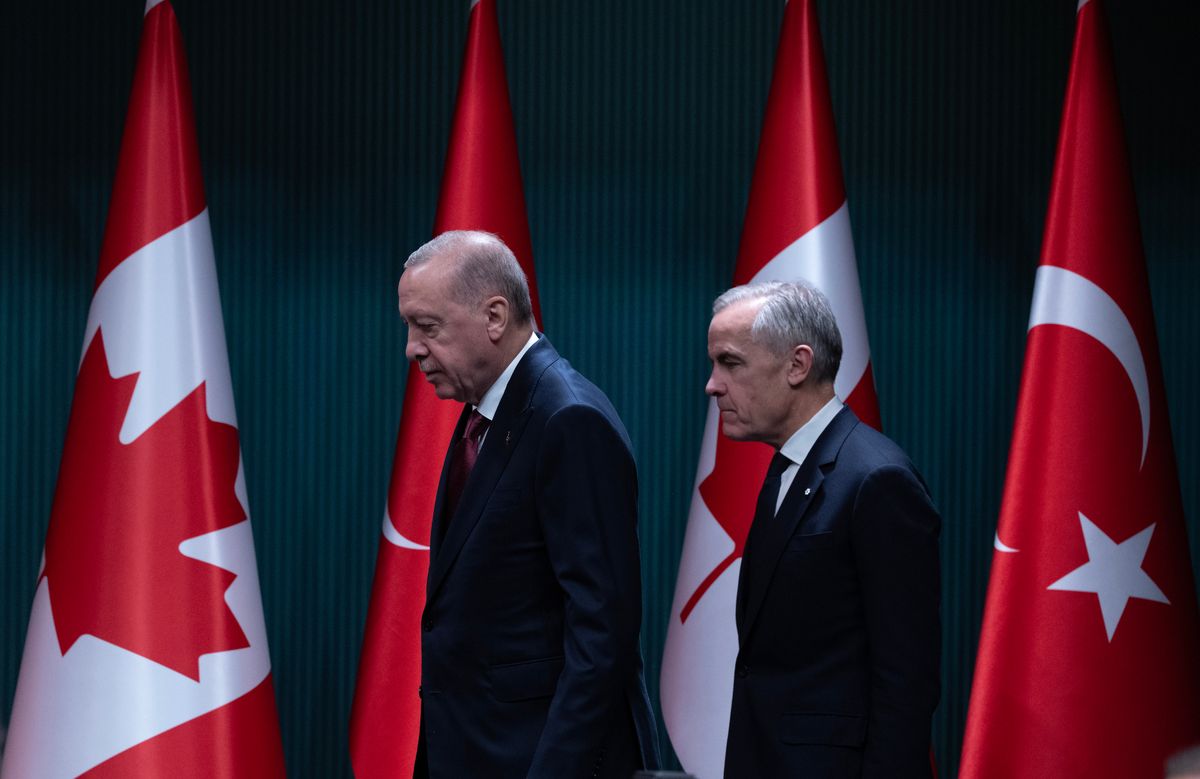
Earlier, mounted cavalry units escorted Carney’s vehicle to the sprawling Turkish presidential compound, where a welcoming ceremony was held. Erdogan and Carney then proceeded to a palace building for bilateral talks.
By SUZAN FRASER
Associated Press