




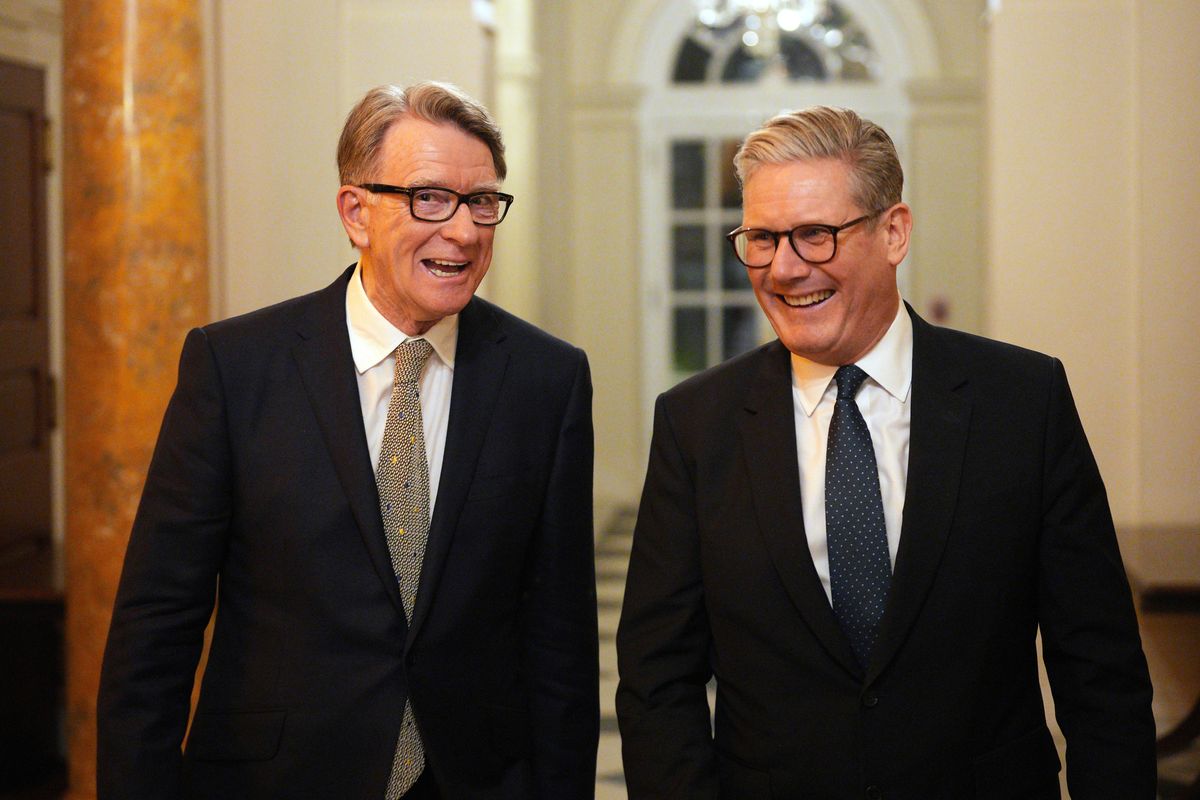
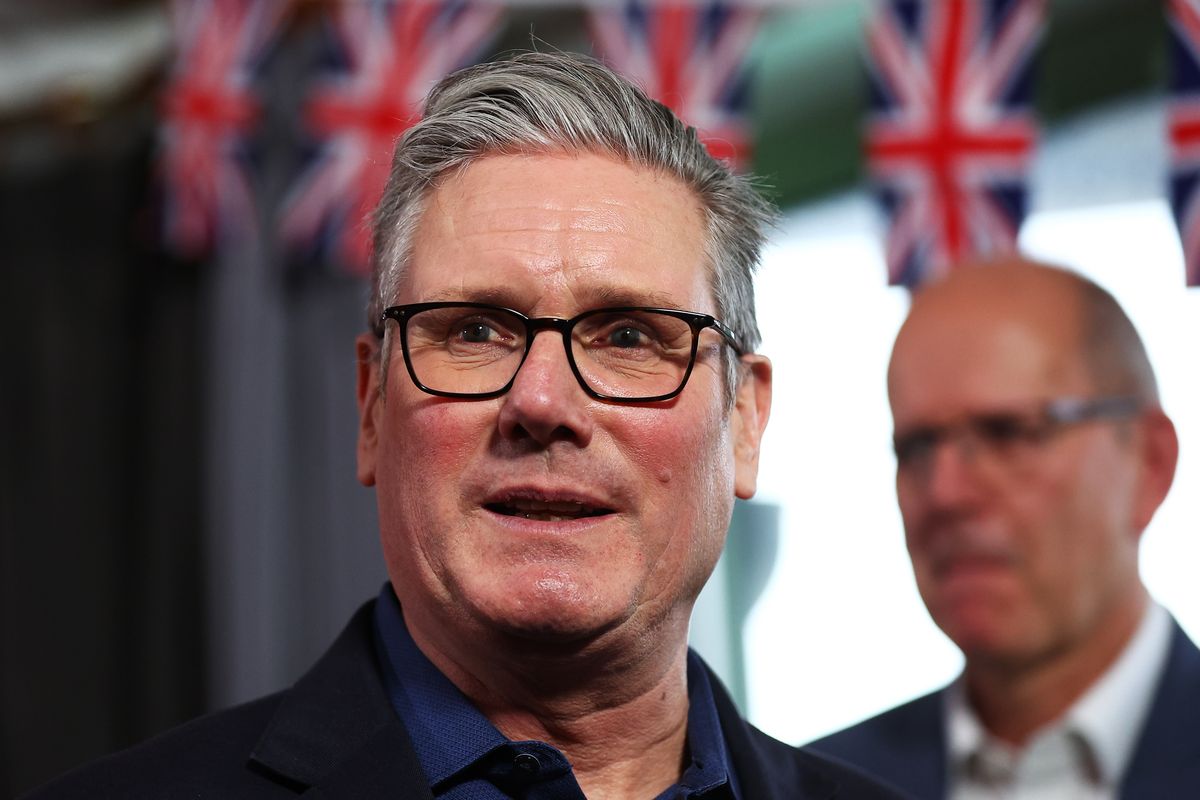
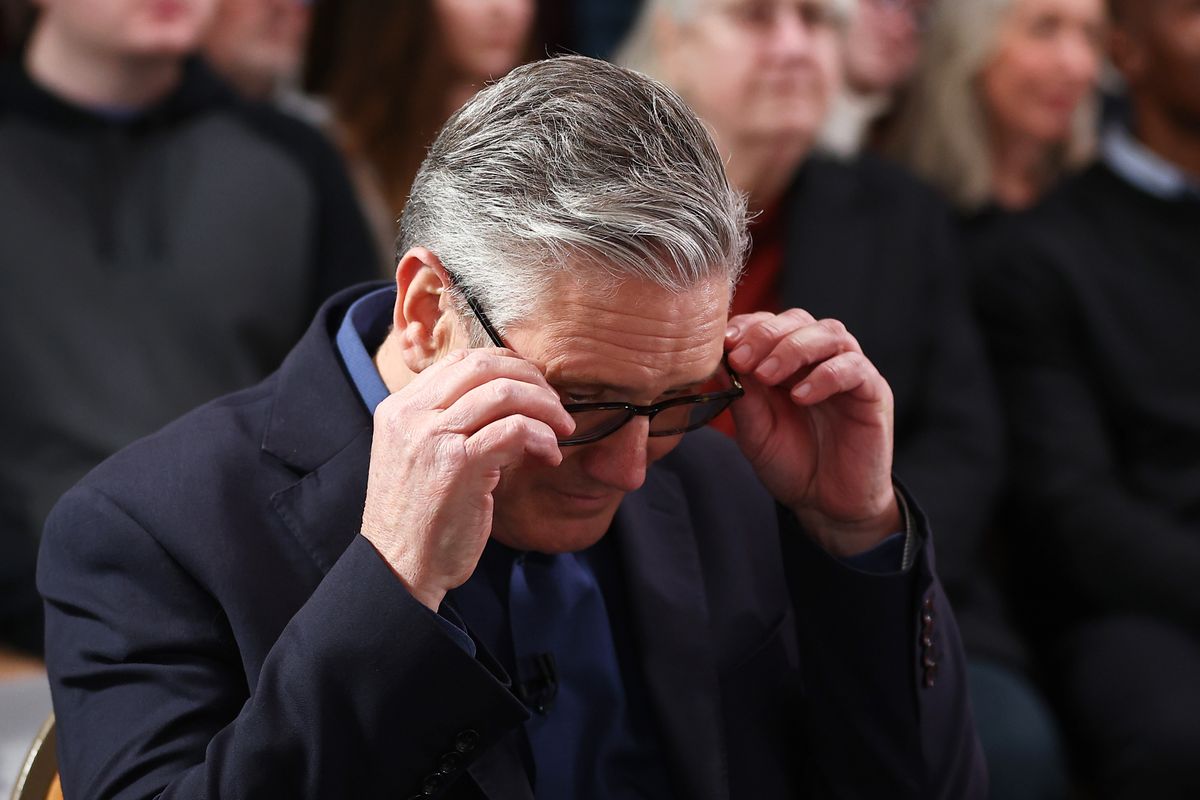
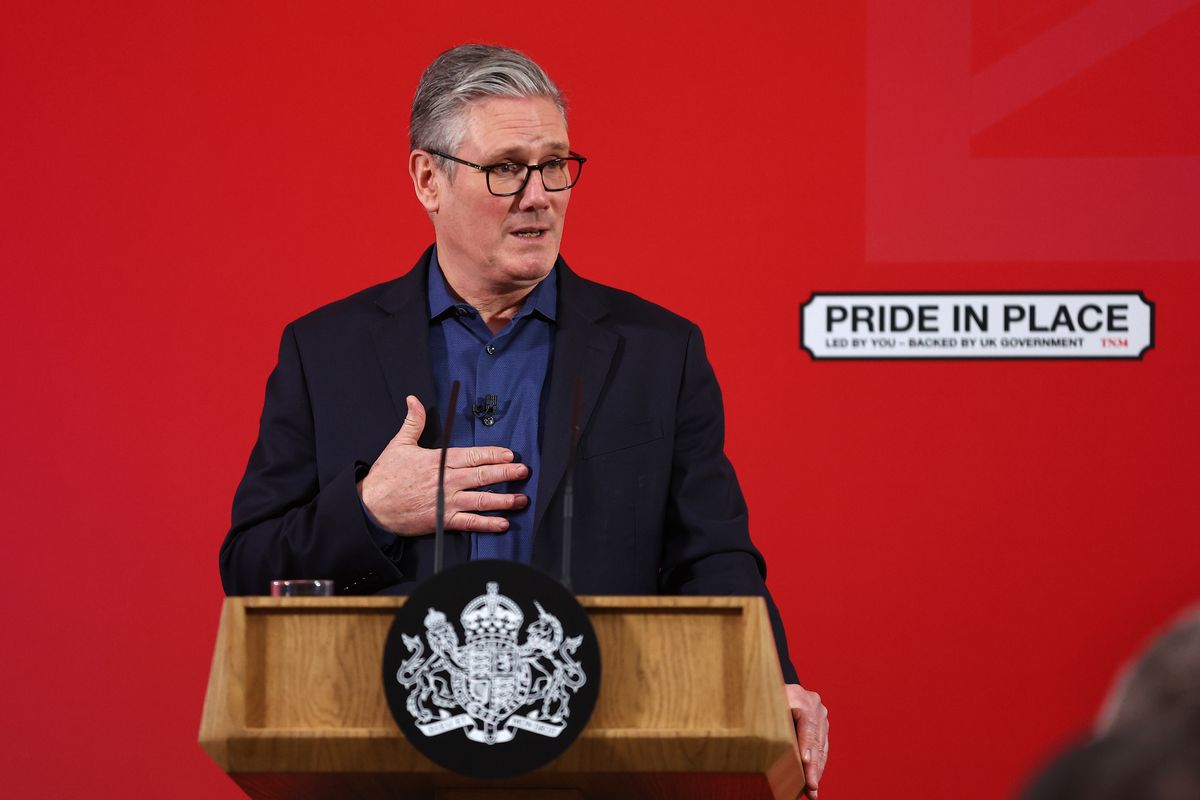
LONDON (AP) — British Prime Minister Keir Starmer is facing a battle to stay in post after the fallout from his decision in 2024 to appoint veteran politician Peter Mandelson as the U.K. ambassador to the U.S. despite the latter’s ties to the pedophile Jeffrey Epstein.
Starmer’s judgment is in the spotlight like never before, especially after the release last week of millions of Epstein-related documents by the U.S. Justice Department showed how close those links were.
There’s widespread anger that the prime minister appointed Mandelson, a grandee of Starmer’s own Labour Party, to such a sensitive and high-profile post. Starmer had already sacked Mandelson after a first batch of emails were published in September, showing he remained friends with Epstein after the late financier’s 2008 conviction for sex offenses involving a minor.
But the emails made public this week show that Mandelson, as a member of the then Labour Cabinet, also passed on sensitive — and potentially market-moving — government information in 2009 to the disgraced financier.
Starmer’s leadership has now been called into question. Several Labour lawmakers have said that he should quit, while others are clearly uncomfortable, following a series of missteps since the party returned to power in a landslide victory in July 2024.
Starmer is trying to fight back. He has apologized to the British public and to the victims of Epstein’s sex trafficking for believing what he has termed “Mandelson’s lies.”
There are a number of ways in which Starmer could go, some more straightforward than others.
The easiest way
The simplest option is that Starmer announces his intention to resign, triggering an election for the Labour leadership. A resignation could possibly come if a delegation of Cabinet members tell Starmer he has lost too much support within the party or if members of his government quit in protest.
Those considered to harbor leadership ambitions include Health Secretary Wes Streeting, Home Secretary Shabana Mahood and former deputy prime minister, Angela Rayner, who had to resign last year after admitting she didn’t pay enough tax on a house purchase. The problem for Rayner is that an investigation into that is ongoing.
But there’s no clear front-runner.
Andy Burnham, the popular mayor of Manchester who was blocked from standing at a special election in the city later this month, would not be eligible as the leader must come from the parliamentary party.
Whoever does run, the election would likely take weeks, with Starmer likely staying in post until that concludes.
Were Starmer decide to resign immediately, the Cabinet and Labour’s governing body would likely pick an interim leader to be prime minister, probably someone not standing to be Labour leader. Deputy Prime Minister David Lammy could fit the bill.
Under Labour’s rules, candidates must have the support of a fifth of the parliamentary party, which equates to 80 lawmakers.
Those meeting that threshold would then have to receive the support of 5% of the local constituency Labour parties or at three least party affiliates, of which two must be trade unions. Affiliates are groups or organizations that are deemed to have interests consistent with those of the Labour Party; including trade unions and co-operative and socialist societies.
Eligible members of the party and affiliates will then vote for the leader using an electoral system that ranks the candidates. The winner is the first candidate to secure over 50% of the vote.
King Charles III would then invite the winner to become prime minister and form a government.
The not so easy way
If Starmer does not resign, he could face a challenge, potentially from within his Cabinet.
Unlike the Conservative Party, which has a history of getting rid of leaders such as Margaret Thatcher in 1990 and Boris Johnson in 2022, Labour does not have that muscle memory. No Labour prime minister has ever been dislodged, though Tony Blair announced his plan to resign in 2007 after a series of low-level resignations.
Challengers would have to meet the eligibility thresholds above, but Starmer would automatically be on the ballot.
Starmer faces a series of hurdles in the weeks ahead. The first will probably come within days when files related to the vetting of Mandelson are published. Starmer will be hoping they show the scale of Mandelson’s lies. Should they not, that could be a point of high jeopardy for the prime minister.
Another potential pitfall could be the special election in Gorton and Denton on Feb. 26, traditionally a safe Labour seat. However, this time it will be a tough fight, with challenges from the anti-immigration Reform U.K. on the right and the Greens on the left.
The decision to bar Burnham from standing also poses a risk for Labour. Though he was blocked on the grounds that a Burnham victory would trigger a costly special election for the mayoralty in Manchester, critics claim that Starmer did not want to see a potentially dangerous rival back in the House of Commons.
After that comes a raft of elections in May. Many in Labour fear the party could lose power in Wales for the first time since the legislature was created in 1999, fall way short in Scotland and get battered in local elections in England.
It’s clear that Starmer faces a difficult landscape.
And that’s barring surprise developments that could further rock his premiership.
“Events, dear boy, events,” Harold Macmillan, prime minister between 1957 and 1963, said when asked what the greatest challenges for leaders were.
By PAN PYLAS
Associated Press