




SAN JOSÉ, Costa Rica (AP) — Costa Rica, considered for decades a peaceful enclave in turbulent Central America, has now made fighting drug trafficking one of its main goals. And it is turning to one of its Central American neighbors for inspiration in its hardline crackdown.
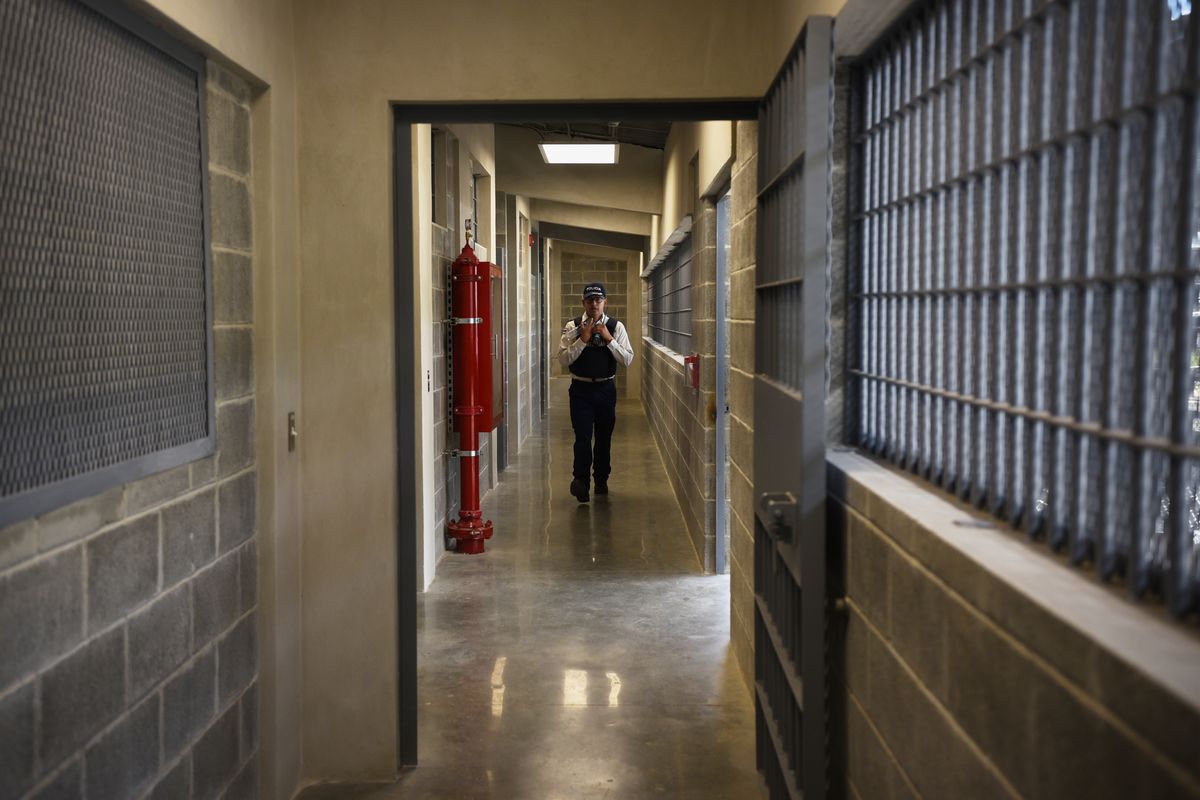
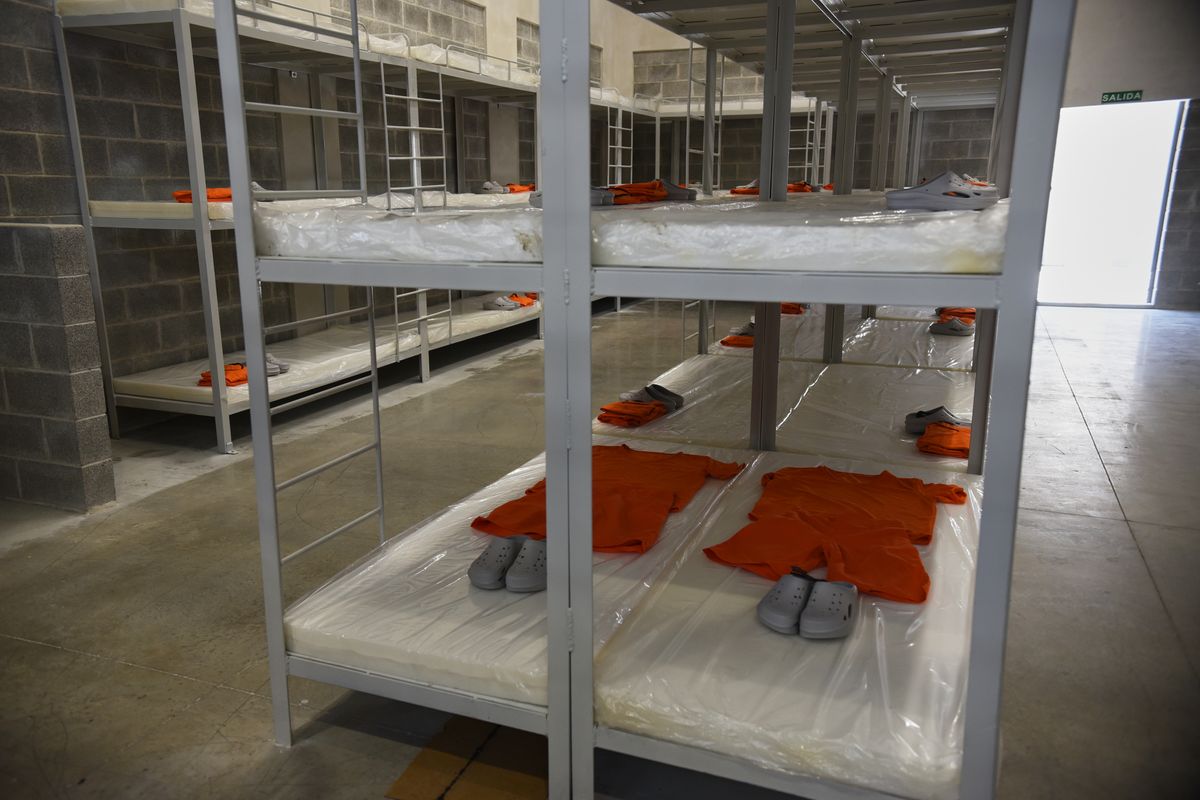
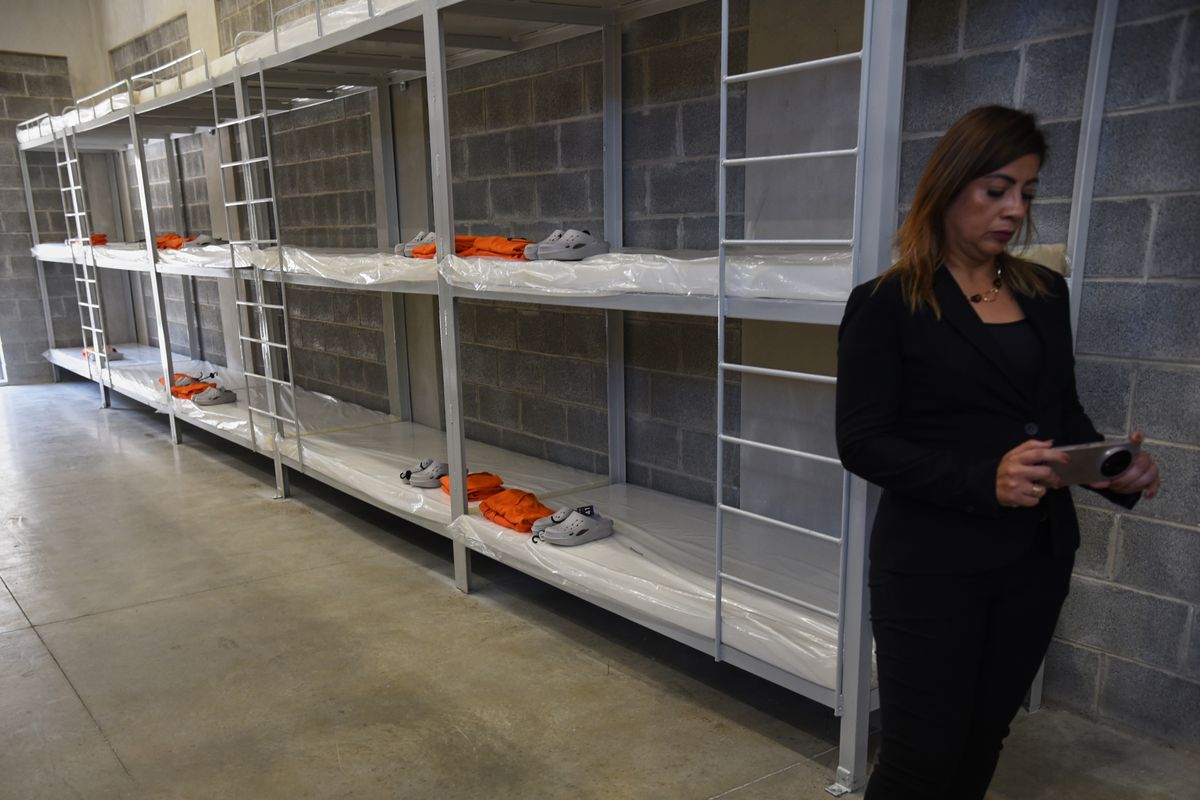
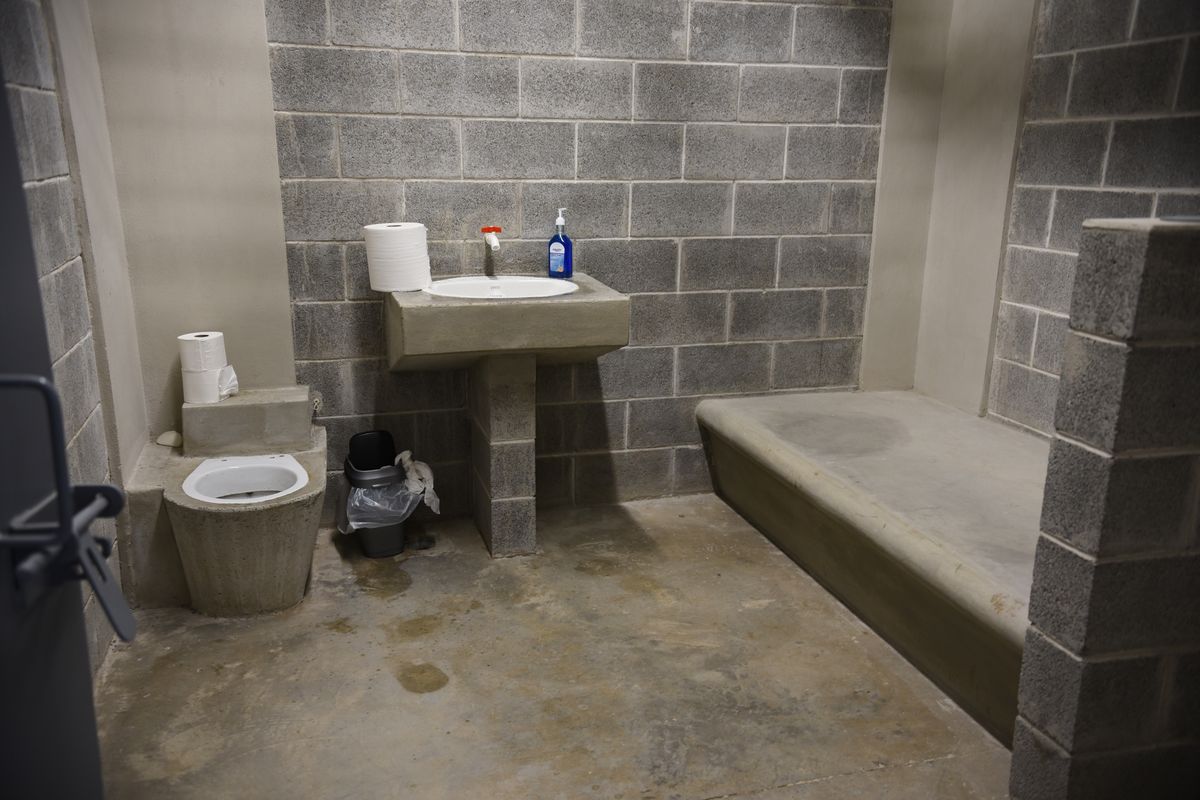
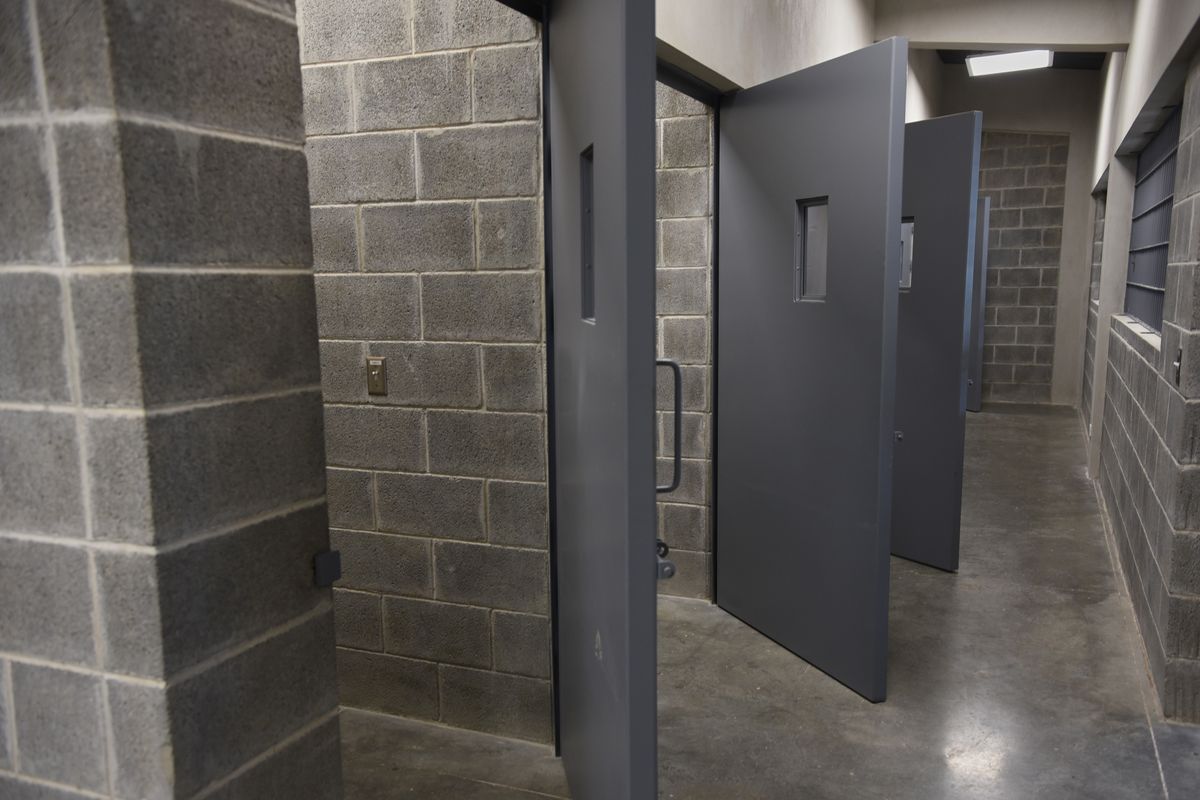
On Wednesday, President Laura Fernández inaugurated a mega-prison that emulates the Terrorism Confinement Center (CECOT) that has become a symbol of Salvadoran President Nayib Bukele’s security strategy.
Bukele has managed to reduce murders to a historic low in El Salvador but faces accusations of abuses during the state of emergency that began in 2022 and has imprisoned more than 91,000 people.
Costa Rica is not the first to turn its attention to the man who has proclaimed himself the “coolest dictator in the world.” Ecuador has done it. So have the new presidents of Peru and Colombia. From Honduras to the Southern Cone, these countries are joining the hardline security strategy also endorsed by U.S. President Donald Trump.
Now, Costa Rica says it will incarcerate its most dangerous criminals in the High-Containment Center against Organized Crime, with a capacity for 5,100 inmates and a cost of $35 million. Here’s how the country that was once the region’s most stable got here.
The cocaine route to Europe
For decades, Costa Rica was a “passive” transit zone for drugs from South America, according to the organization Insight Crime. But without an army, and with extensive jungle and ports on both coasts, it began to attract Mexican and Colombian cartels.
At the end of the last decade, a new cargo terminal transformed the Caribbean port of Limón into a storage and transshipment point for cocaine destined for Europe, according to the U.S. State Department, which, in a 2025 report, also detected fentanyl distribution in the Central American country.
Now, the two major Mexican cartels, Sinaloa and Jalisco, are present in the country, as are the Colombian Clan del Golfo, the Venezuelan Tren de Aragua — all considered terrorist organizations by the United States — and Italian mafias, while local cartels proliferate, explained Vanda Felbab-Brown, an organized crime researcher at the Brookings Institution.
Homicides raise alarms
The cartels’ interest in new routes and the rivalry between the two major Mexican cartels “pushed local proxies to fight with each other and then drove homicides up” in Costa Rica, Felbab-Brown noted. Payments to these gangs in drugs developed local markets that further increased the violence, and the authorities felt overwhelmed.
The alarm was raised in 2023 when the country registered a record 907 homicides — a figure that has decreased, but only slightly — and the government acknowledged that they were mostly due to organized crime.
Insecurity, although far from that of Ecuador or Mexico, became the biggest concern for Costa Ricans and was a key factor in Fernández’s election.
It was then that Fernández’s predecessor, Rodrigo Chaves, sought out Bukele, whose success in cutting down killings have led his counterparts in the region to turn to him for inspiration on security policy. Chaves bestowed him with a diplomatic honor, and sent his security minister to visit the CECOT. The Salvadoran president, in turn, donated the design for the prison to the Costa Rican government.
The CECOT has become a symbol of Bukele’s security policy and is increasingly being imitated. Ecuador’s Daniel Noboa opened a similar prison last year. Honduras planned something similar on an island, though it has not yet been built. And Peru’s Keiko Fujimori has just announced a trip to El Salvador in response to the rise in homicides and extortion.
The measures tend to be popular, and a large portion of the Costa Rican population supports the new mega-prison.
“Many people are afraid,” said Carlos Ávila, a business administrator. “I think it’s good that they’re building a prison and isolating the criminals.”
But it remains to be seen how criminal gangs and society will react to Costa Rica’s new prison, said Felbab-Brown.
“Orchestrating mass arrests at the scale that we see in El Salvador might be both politically unpopular (in Costa Rica) and opposed and challenged also in terms of intelligence,” she said.
Extraditions, the other way to fight crime
Chaves opted for another tool against crime: in 2025, he carried out a constitutional reform to allow Costa Ricans to be extradited for drug trafficking and terrorism offenses.
In March of this year, the first extraditions to the United States took place, including that of Celso Gamboa, former security minister and Supreme Court justice, accused of drug trafficking.
In recent months there have been high-profile arrests, such as that of Alejandro Arias Monge, alias “Diablo,” the country’s most wanted drug trafficker, and the president announced investigations into two hundred police officers.
Meanwhile, Costa Rica remains a staunch ally of Trump, with agreements to receive deported migrants and participation in the Shield of the Americas, which involves maritime patrols.
___
Verza reported from Mexico City.
By JAVIER CÓRDOBA and MARÍA VERZA
Associated Press