





The economy, inflation and how those forces could impact the lives of Americans were front and center over the past week. Trips to the grocery store and gas station are more painful than they were last year, and rising costs are impacting the decisions of both households and businesses.
Here’s a snapshot of prominent economic data and news that occurred over the past week and what it potentially means for you.
Many Fed officials think higher rates will be needed if inflation stays high
Many Federal Reserve officials think the central bank will have to lift its key short-term interest rate in the coming months if inflation doesn’t subside, minutes of the Fed’s meeting last month showed.
The minutes of the July 28-29 meeting, released Wednesday, don’t provide specifics on how many of the 19 officials supported higher rates. Only 12 of the 19 policymakers vote on the outcome. Officials voted 9-3 at the meeting to keep their key rate unchanged at about 3.6%.
Inflation has since showed some signs of cooling, though gas prices have rebounded this month on renewed hostilities in the Middle East. Wall Street investors now expect the Fed to remain on hold at its next meeting in September and potentially lift rates in December, though that outlook could change.
Mortgage rates ease again, but remain higher than this time last year
The average long-term U.S. mortgage rate eased for the second week in a row, but remains elevated compared with this time last year.
The benchmark 30-year fixed rate mortgage rate fell to 6.65% from 6.67% last week, mortgage buyer Freddie Mac said Thursday. One year ago, the average rate was 6.58%.
Borrowing costs on 15-year fixed-rate mortgages, often sought by borrowers refinancing a home loan, also eased this week. That average rate dropped to 5.95% from 5.96% last week. However, a year ago, it was at 5.69%.
Despite the recent pullback, mortgage rates have been mostly rising this year, limiting homebuyers’ purchasing power. Elevated rates can lead prospective home shoppers to delay buying a home, one reason U.S. home sales have been sluggish this year.
US unemployment claims decline
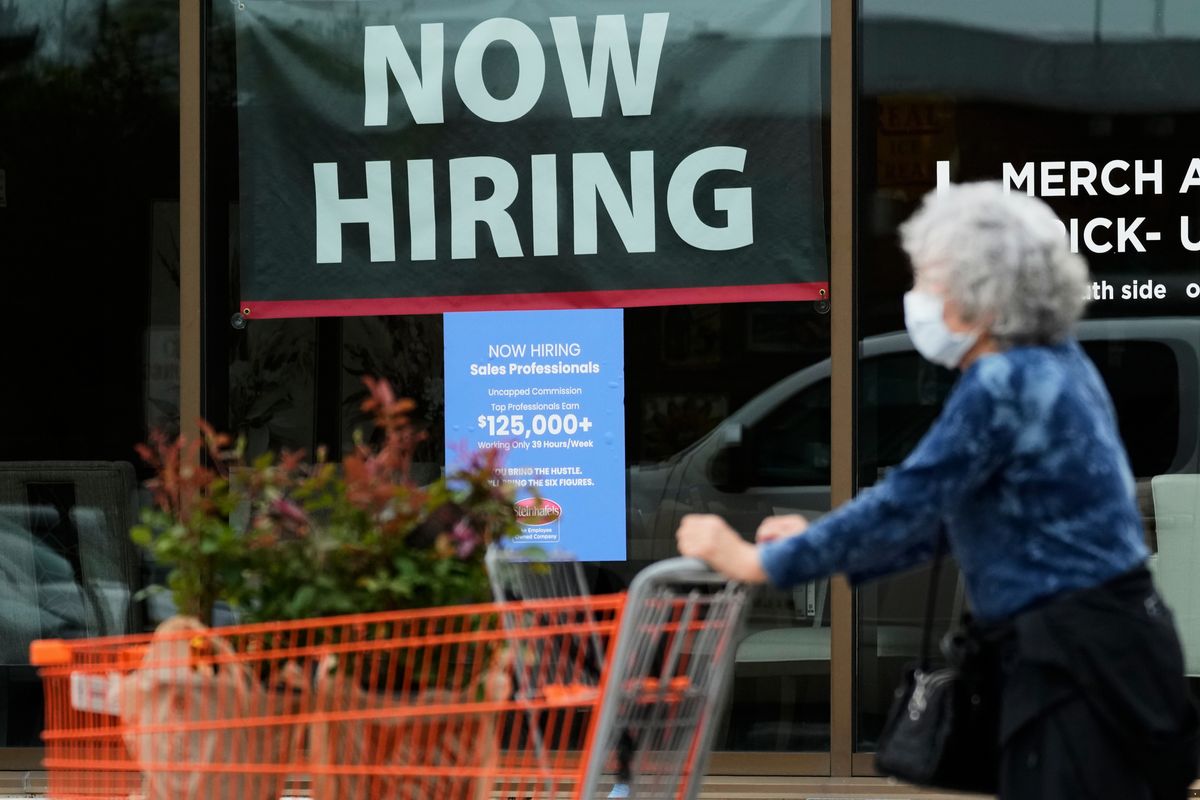
Fewer people applied for U.S. unemployment benefits last week, another sign that layoffs remain low and that most Americans enjoy job security.
The Labor Department reported Thursday that jobless claims dropped to 206,000 last week from a revised 212,000 the week before. The four-week average of claims, which smooths out week-to-week ups and downs, ticked up to 204,000 last week from 199,750.
Claims for jobless benefits are a proxy for layoffs, and economists watch them because they can be a harbinger for where the job market is headed. For the past year, claims have been at a historically low range of around 200,000 to 230,000 a week.
Wall Street climbs as bond market’s big swings ease a bit
U.S. stocks rose Friday and trimmed their losses from what’s been a shaky week. The bond market, which has been the center of Wall Street’s action, remained jumpy, but yields were not moving as much as earlier in the week and were helping to keep financial markets relatively calm.
The S&P 500 rose and was on track for just its second gain in the six days since setting its all-time high last week. The Dow Jones Industrial Average and the Nasdaq were both up.
After soaring through the summer and then hesitating earlier this week following a surprise announcement that the U.S. Treasury Department will repurchase more longer-term bonds, yields remained unsettled in the bond market on Friday.
By MICHELLE CHAPMAN
AP Business Writer