




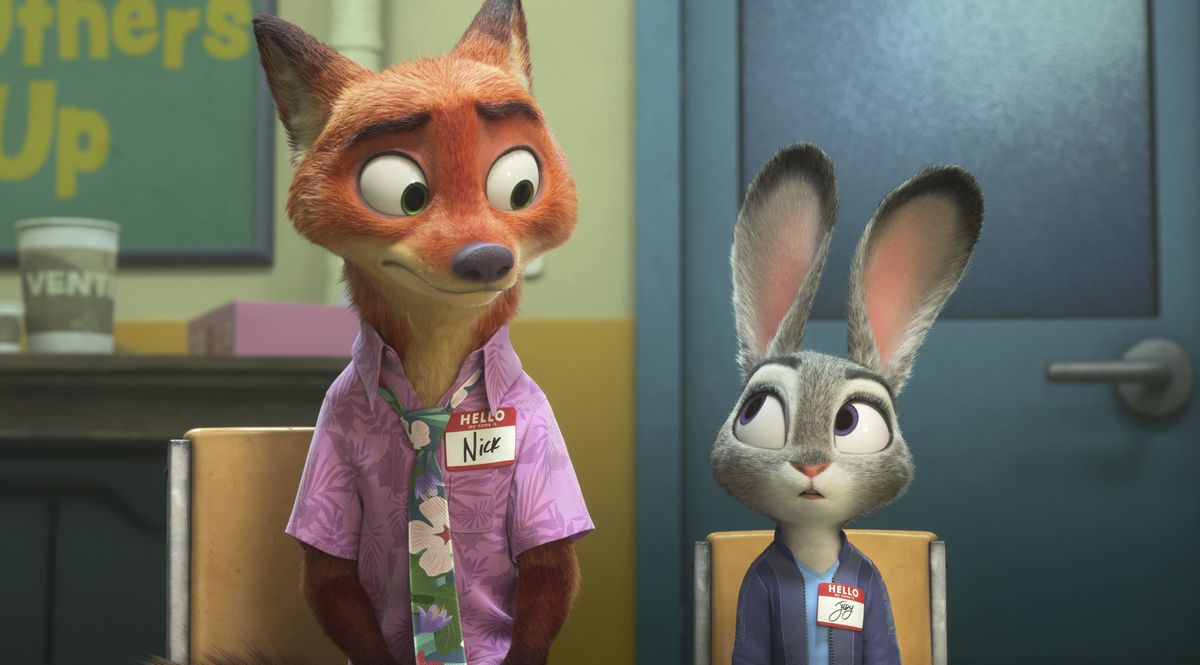

Disney posted a strong first quarter, powered by box-office hits “Zootopia 2” and “Avatar: Fire and Ash.”
But the entertainment giant cautioned that in the second quarter its Experiences division, which includes its theme parks, will likely see modest operating income growth due in part to a decline in visits from international tourists to the U.S.
There’s been a drop in foreign visitors to the U.S. attributed to several factors, including President Donald Trump’s return to the White House, tariffs, an immigration crackdown and repeated jabs about the U.S. possibly trying to acquire Canada and Greenland.
The Walt Disney Co. earned $2.4 billion, or $1.34 per share, for the three months ended Dec. 27. It earned $2.64 billion, or $1.40 per share, a year ago.
Removing one time charges and costs, earnings were $1.63 per share. That’s better than the $1.57 per share that analysts polled by Zacks Investment Research expected.
Disney, based in Burbank, California, reported revenue of $25.98 billion. Wall Street was calling for slightly higher revenue of $25.99 billion.
Revenue for Disney Entertainment, which includes the company’s movie studios and streaming service, climbed 7%, while revenue for the Experiences division, rose 6%.
“We are pleased with the start to our fiscal year, and our achievements reflect the tremendous progress we’ve made,” CEO Bob Iger said in a statement on Monday. “We delivered strong box office performance in calendar year 2025 with billion-dollar hits like Zootopia 2 and Avatar: Fire and Ash, franchises that generate value across many of our businesses.”
The Experiences division, which includes Disney’s six global theme parks, its cruise line, merchandise and video game licensing, reported operating income climbed 6% to $3.31 billion and revenue hit a record $10 billion. Operating income rose 8% at domestic parks. Operating income increased 2% for international parks and Experiences.
Disney said attendance at domestic parks edged up 1%.
The company took note over the quarter of weakening international tourism, so it pivoted marketing, sales and promotional efforts towards its domestic audience, which helped keep its park attendance up, said Chief Financial Officer Hugh Johnston during the company’s conference call.
In the Sports segment, operating income declined to $191 million from $247 million as an increase in advertising revenue was offset by higher programming and production costs and a drop in subscription and affiliate fees. The company said that a temporary dispute with YouTube TV dragged down operating income by about $110 million.
Disney and YouTube TV reached a new deal to bring channels like ABC and ESPN back to the Google-owned livestreaming platform in November, ending a blackout for customers that lasted for over two weeks.
Shares slipped 2% before the market open.
By MICHELLE CHAPMAN
AP Business Writer