




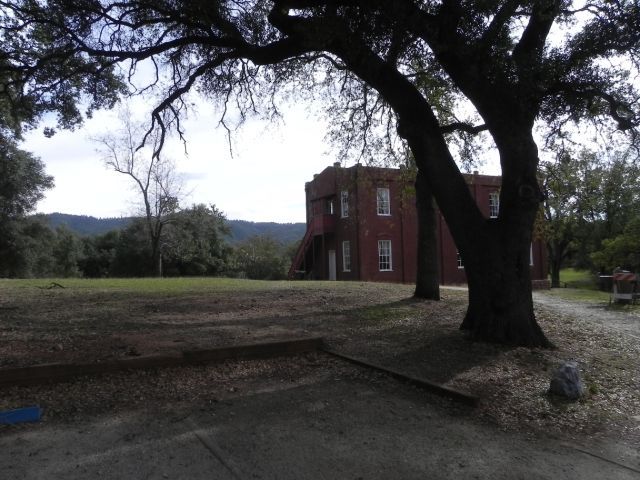
Venture into an oak woodland and woodpeckers sound the alarm; rodents and lizards skitter about, and foxes watch from afar. Over 300 species of amphibians, reptiles, birds, and mammals depend on oak woodlands for food, shelter and reproduction.
Regrettably, smaller and smaller islands of habitat remain for wildlife as piecemeal conversions of oak woodlands expand. The remaining smaller habitats restrict wildlife movement impacting migration patterns, mating opportunities, and ultimately the gene pool.
With recognition of the plight of oak woodlands and their wildlife, governmental agencies, environmental groups, ranchers, and homeowners are working to check their decline. Guidelines and laws limit oak removal and direct replacement and management. California regulations provide counties with a template for minimum oak protection and replacement. The California Department of Transportation (CalTrans) follows a native plant replacement formula as another example of restorative governmental action.
Nonetheless, replacement of lost woodlands is complicated. Oak woodlands constitute a complex environment not easily duplicated due to the trees’ slow growth (mature trees may be over 1500 years old) and because many woodland elements are inextricably hitched together.
The Littlest Essentials
We speak of the food chain with higher animals consuming those below them in the chain. However, life in the oak woodland actually begins at a far more essential level-with the soil food web-a habitat that has developed through centuries.
The soil food web refers to the relationships among the living organisms found in the soil-bacteria, fungi, nematodes, protozoa, earthworms, and arthropods ranging from microscopic mites to centipedes. Some are considered beneficial; others like blights and molds can be pathogens, yet all have a part in growth and decay cycles.
Over the years, these organisms process forest litter from animals, trees, and plants, converting it to soil nutrients. They aerate by forming tiny channels to allow oxygen and water to reach the tree roots, and they balance and feed each other. Thus, an ongoing, interrelated process occurs supporting the growth of the oaks and innumerable other woodland plants.
Invertebrates
Nearly every part of an oak tree, from the roots, bark, and branches, to the leaves and acorns, provides food for invertebrates. Invertebrates include insects, spiders, pill bugs, centipedes, millipedes, and related creatures with no backbone or internal skeleton; invertebrates vastly outnumber the vertebrates (animals with backbones). Many of the more than 5,000 species of insects and arachnids (spiders and their relatives) found in California oak woodlands are specialized, feeding exclusively on oaks.
Invertebrates convert sunlight, carbon dioxide, and mineral nutrients absorbed by oaks and other plants into food for each other and for much of the more sizeable wildlife in the oak woodlands.
The Visible Wildlife Community
Oaks provide cover, nesting sites, and food for salamanders, lizards, frogs, toads, bats, 80 mammal species, and 170 bird species. Many of these creatures rely primarily or exclusively on invertebrates for sustenance. Without invertebrates, they lack the food to grow, to reproduce, and to nourish their young. Their numbers then decline, and in time even entire species can disappear. And as these animals drop out of the food chain, those who depend upon them for food in turn become imperiled.
The Big Picture
Oaks are lost not only to sprawl and agriculture but through ill-planned management of our remaining oaks. Our native oaks have evolved for centuries without summer water, yet we put water-thirsty plantings under them and then endanger the trees with summer irrigation to nurture lawns and ornamentals. We build homes, shopping centers, and roads around the oaks, trenching through roots, compacting soil and eliminating soil oxygen. We apply chemicals that imperil the diverse life within and above the soil, degrading soil, air, and water resources.
Can you imagine the Mother Lode without sprawling old oaks and their bountiful wildlife? If we are to achieve successful long-term oak woodland management, we must control woodland conversions and respect the needs of our surviving trees. And remember-the littlest things do indeed count.
To learn more, visit the University of California Oak Woodland Management website at http://ucanr.org/sites/oak_range/. Or pick up the book, Bringing Nature Home by Douglas Tallamy, who says that if you can only plant one native plant in your yard, let it be a local oak.
Vera Strader is a Sonora-based Master Gardener who believes that the mature trees and the wildlife of the Sierra Foothills are irreplaceable.