




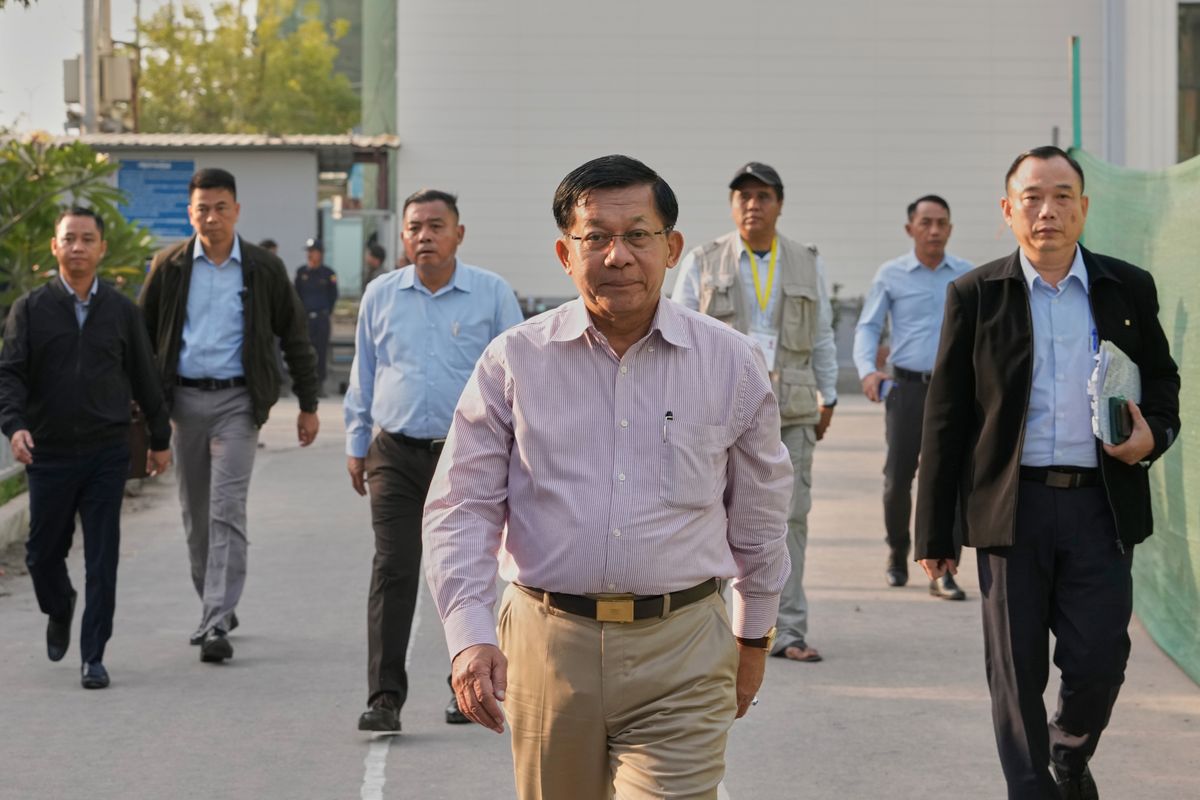
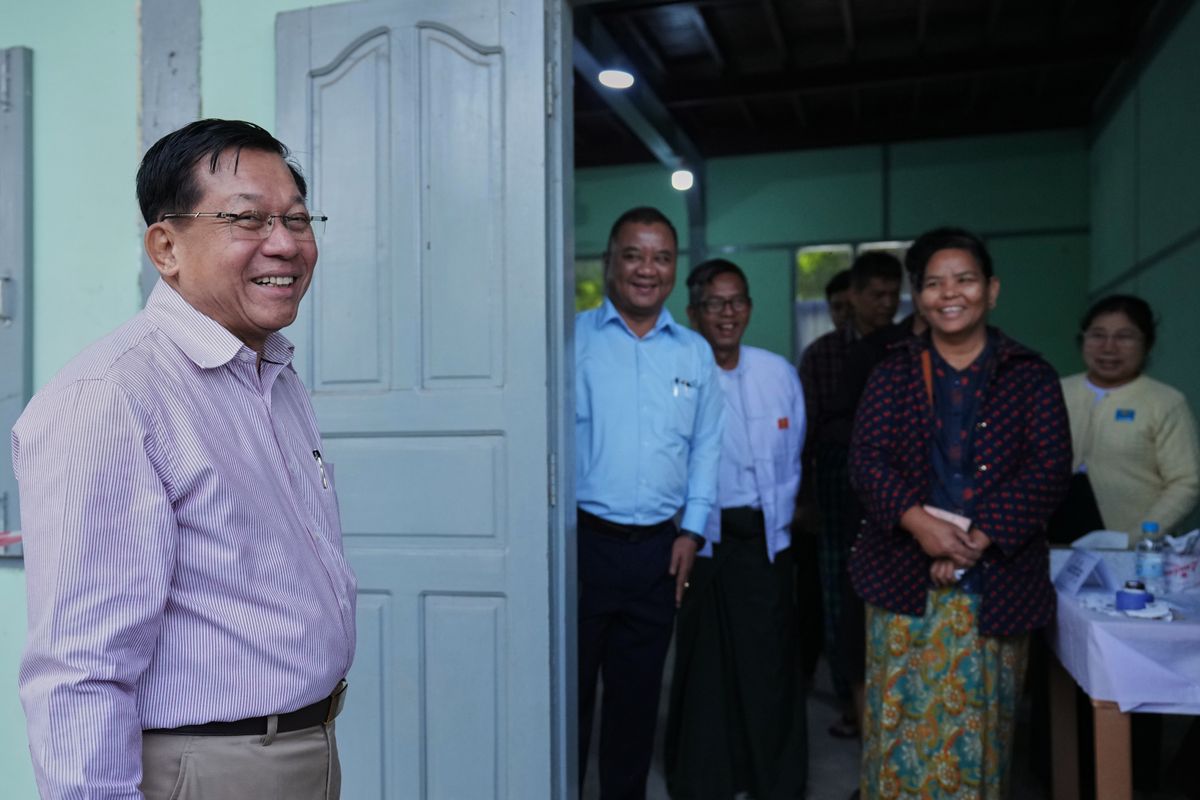
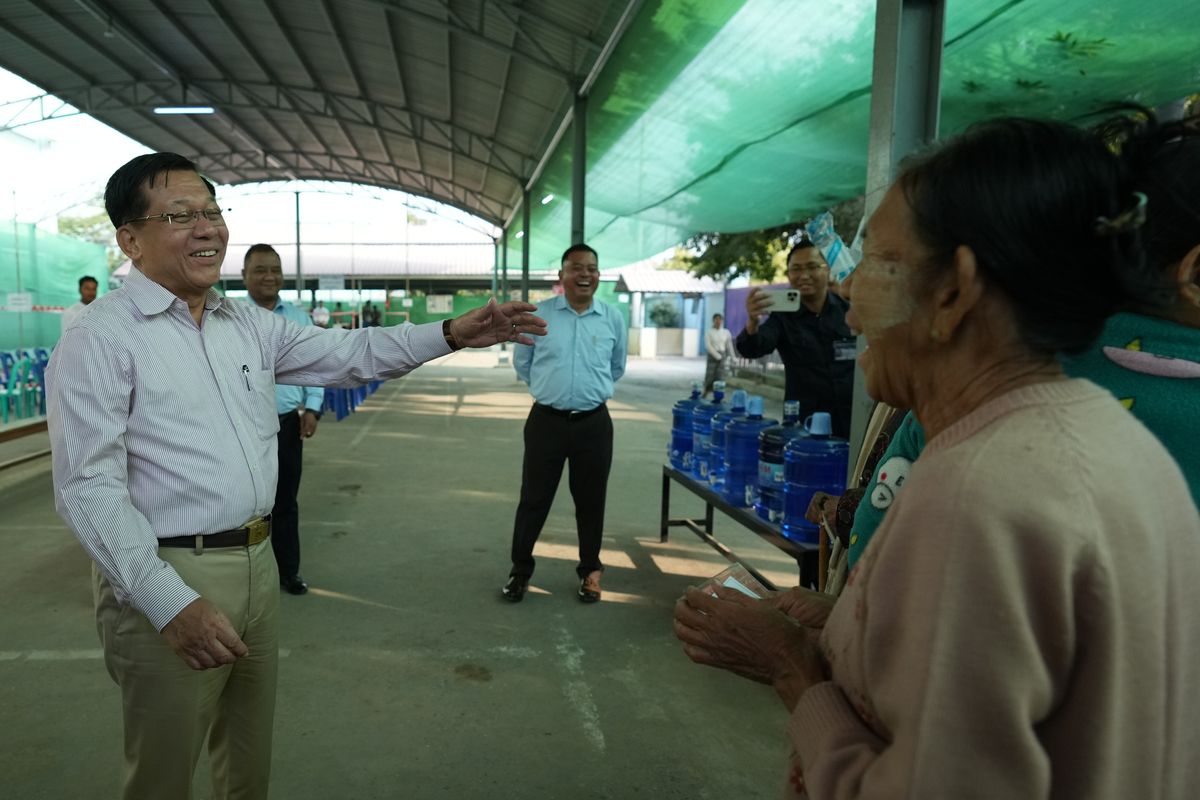
BANGKOK (AP) — Myanmar’s military-backed party emerged the winner of an election, final official figures showed Wednesday, as the country’s army chief signed a law authorizing a new consultative body that could allow him to retain influence without formally leading the new government.
The victory of the Union Solidarity and Development Party, or USDP, led by former generals, was widely expected after the vote excluded major opposition parties and sharply restricted dissent. The constitution guarantees 25% of parliamentary seats for the military, effectively ensuring control by the armed forces and allied parties.
Senior Gen. Min Aung Hlaing, head of the military government, was widely expected to assume the presidency when the new Parliament convenes. The constitution, however, bars a president from serving concurrently as the army’s commander-in-chief — the country’s most powerful post — raising questions about whether he would relinquish that role.
The possibility that Min Aung Hlaing might not want to formally lead the new government was highlighted Wednesday after he signed a law authorizing the creation of a new Union Consultative Council, a body that could allow its chairman to wield influence without taking center stage.
The law published in the state-run Myanma Alinn newspaper allows the new president to form the council with at least five members, including a chairman. It says the council could advise and coordinate on national security, international relations, peace processes and legislation, without affecting executive or judicial powers.
The move reflects the military’s use of parallel bodies since the army seized power in 2021 from the elected government led by Aung San Suu Kyi, plunging the country into widespread unrest and armed resistance that has since evolved into civil war.
It remains unclear whether Min Aung Hlaing will lead the council, which was announced to coincide with the release of final results from Myanmar’s first election in five years.
Voting took place in three phases in December and January in 263 of the country’s 330 townships, leaving about one-fifth without voting because of fighting.
According to final figures from the Union Election Commission, the USDP won 339 of the total 586 seats in the national parliament. That means that along with the military, which is automatically allocated 166 seats under the constitution, the two hold 505, which is about 86% of the legislature. Twenty-one other parties won between one and 20 seats each.
On Wednesday, Myanma Alinn’s report cited Min Aung Hlaing, as saying at a meeting with senior military officers on Tuesday, that the USDP won with more than 44 % of nationwide vote. He added that more than 13 million voters — about 54% of the more than 24 million eligible — cast ballots in the election, describing the turnout as enthusiastic participation of the public.
A separate report in Myanma Alinn said he told the visiting Russian Security Council Secretary Sergey Shoigu during a meeting in the capital Naypyitaw on Tuesday that Parliament will convene in the third week of March to elect a new president.
U.N. human rights chief Volker Türk said in a statement Friday marking the anniversary of the military takeover that the election failed to respect fundamental rights, and that the process served only to exacerbate violence and societal polarization.
He said voter coercion was reported nationwide, including fears of forced conscription, loss of food access and administrative penalties.
“For five years now, the military’s rule has been characterized by repression of political dissent, mass arbitrary arrests, arbitrary conscription, widespread surveillance and limitation of civic space,” Türk said. “Now, the military is seeking to entrench its rule-by-violence after forcing people to the ballot box. This couldn’t be further from civilian rule.”