




Many people start the new year thinking about ways to improve their health, be more organized and manage their finances. Experts say there is one area that touches on each of those resolutions — home care.
Early and routine home maintenance goes beyond fixing visible damage. It helps ensure a healthy living environment, extends the life of a home and can protect its long-term value, according to real estate professionals. Planning ahead for regular upkeep and for unexpected emergencies can reduce the risk of costly repairs later and help spread expenses more evenly throughout the year.
According to research by the U.S. Department of Energy and the Environmental Protection Agency, about three-quarters of existing homes are expected to still be in use in 2050.
“Maintaining the homes that we have is really essential to protecting our health and our well-being,” said Amanda Reddy, executive director of the National Center for Healthy Housing, an organization that researches and advocates for reducing housing-related health disparities.
Despite who owns the property, Reddy says, keeping residences dry, clean, pest-free, well-ventilated and safe is the goal, which can mean different types of maintenance depending on the type of home, where someone lives and the time of year. Here’s what experts say about home care and what tasks to put on the checklist this year:
Home care includes the big projects and the everyday decisions
On average, Americans spend about 90% of their time indoors, 70% of that time inside of a residence, according to the National Human Activity Pattern Survey.
“It’s not just that we spend time indoors, but at home. If you are older, very young, have health concerns, or work from home, it is likely more than that,” Reddy said, emphasizing the reason why home care is a valuable investment.
What many people think of maintenance includes addressing water and gas leaks, pest infestations, cracks and other major repairs, but home builders say not everything needs a professional and can include actions as simple as wiping counters and sweeping floors of food debris, opening windows for better ventilation or clearing out clogged filters and drains.
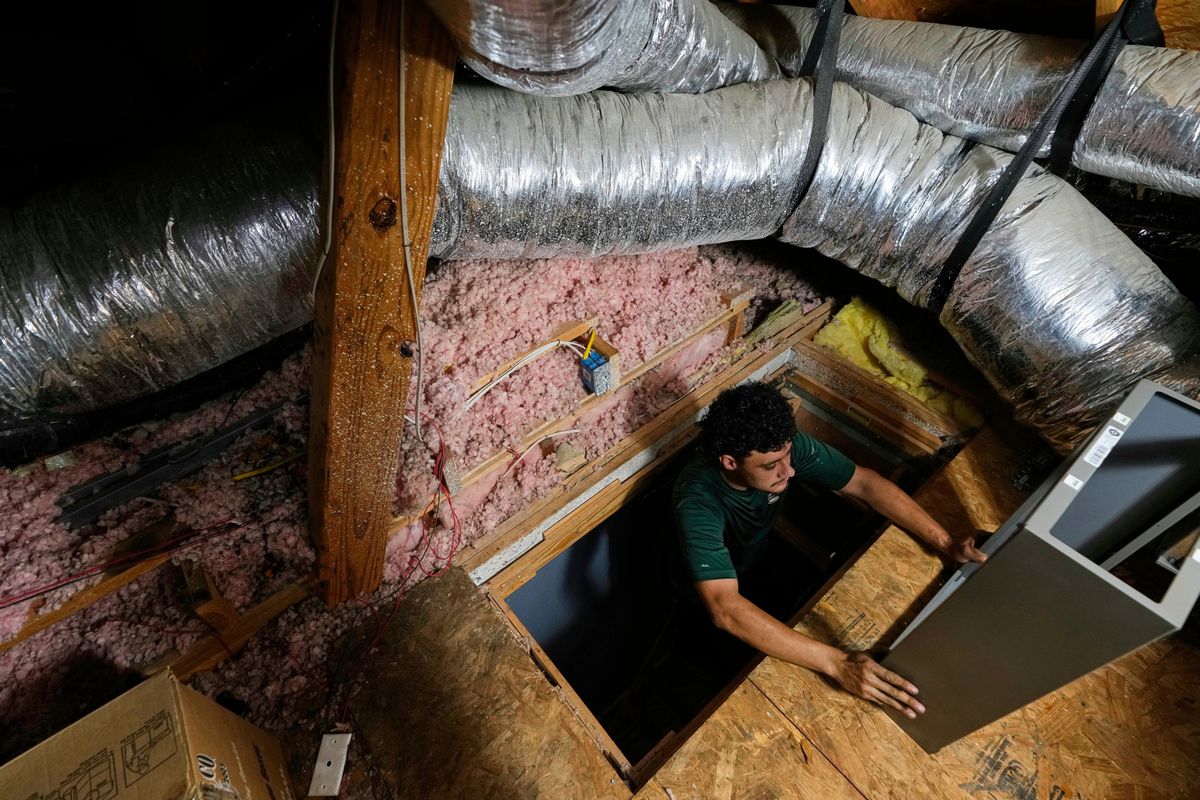
Residents should also consider the needs of those living in the home, commonly used spaces such as kitchens, bathrooms and bedrooms, and typically neglected areas like attics and basements. Reddy says “anywhere we’re spending time” or often ignoring and possibly missing necessary repairs should be prioritized.
“At the end of the day, doing any preventative maintenance at all matters more than doing it perfectly or at exactly the right time,” Reddy said. “But timing can make a big difference. A lot of these tasks are seasonal or annual, and you’re not just going to do it one time. Homes are stressed differently by different times of the year, so seasonal maintenance helps us catch problems before they’re made worse by environmental stressors.”
Seasonal maintenance to plan for throughout the year
When it comes to maintenance, planning and preparing for anticipated and routine changes in the environment can help mitigate natural wear and tear on the exterior of homes and also create healthy conditions inside — where most people shelter from extreme weather events.
“What happens outside the house rarely stays outside the house. What’s outside gets inside, what’s inside builds up,” Reddy said, adding that fluctuating outdoor conditions put stress on appliances and systems at different times of the year. “For most people, the seasonal rhythm not only makes sense because of those stressors, it also just is more realistic and effective than trying to tackle a long, overwhelming checklist all at once.”
For example, experts say the best time to prepare for cold and wet climate, storms and other natural disasters is to address concerns before temperatures drop. Similarly, it is recommended that residents address systems in homes that work to reduce the effects of extreme high temperatures, dry and drought conditions and associated risks like wildfires and air quality in the offseason.
Professional guidance from home inspectors, builders and real estate agents says spring and summer tasks should focus on preparing for warmer weather. Experts recommend checking air conditioning systems, cleaning dryer vents to prevent fire hazards, testing sprinkler systems, tending to gardens and plants around homes’ exterior and inspecting appliances, electrical equipment and plumbing fixtures. Experts also say spring is a good time to clean and do any house projects that involve painting or remodeling since rain is unlikely to cause delays during that time.
In the fall and winter months, experts suggest focusing on temperature control and air quality measures as people tend to shelter indoors during incoming colder weather. American Home Inspectors Training guidance says check heating systems, clean air filters, make sure carbon monoxide detectors are working, seal air leaks, prioritize pest control, clean and repair roofs and chimneys, and inspecting drainage options in and around homes.
By CHEYANNE MUMPHREY
Associated Press