




NEW YORK (AP) — Tesla’s annual profit plunged to its lowest level since the pandemic five years ago as it lost the title of the world’s biggest electric vehicle maker to a Chinese rival and boycotts hammered sales.
The EV company run by Elon Musk reported Wednesday that net income last year dropped 46% to $3.8 billion. It was the second year in a row of steep declines. The drop came despite the introduction of cheaper models and Musk’s promise to remain laser-focused on the company after a foray into U.S politics.
Still, Tesla investors have kept the faith in Musk. The stock is up 9% in the past year.
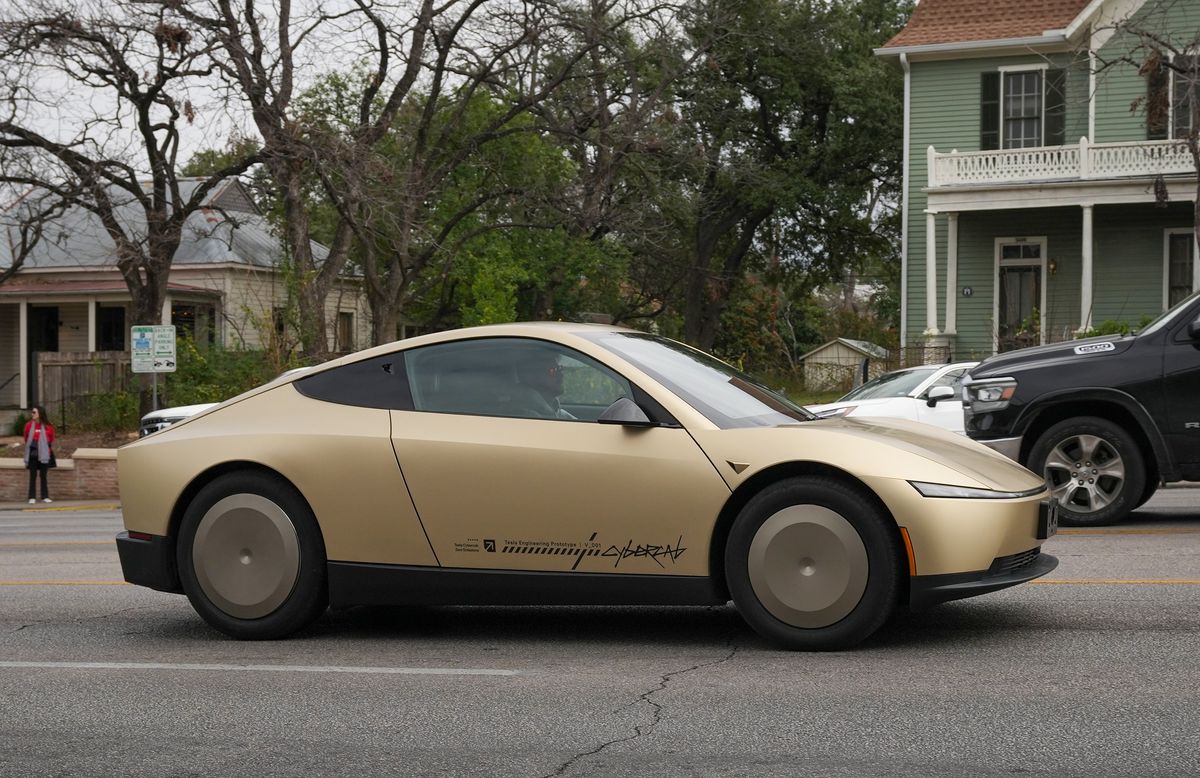
Musk has been urging investors to focus less on car sales and more on what he considers a bright new future of robotaxis ferrying millions in cars without drivers, or even steering wheels, and robots watering plants and taking care of elderly parents. Investors and analysts expect to hear more from Musk on those plans in a conference call later Wednesday.
For the fourth quarter of last year, Tesla’s net income also plunged, down 61% to $840 million, or 24 cents. Excluding one-time charges, net income totaled 50 cents per share, compared to analysts’ forecasts of 45 cents.
“They’ve got aging product that is less and less competitive as others manufacturers come out with new models, then there is the general brand destruction,” said Telemetry analyst Sam Abuelsamid. “Musk‘s involvement in politics has turned off customers.”
One bright point was Tesla’s gross profit margins, which leapt to 20% last quarter from 16% a year ago.
One reason the stock has held up is that Musk is newly focused on the company after spending early last year as head of a government cost-cutting team in Washington. But it’s not clear his attention will remain as undivided in the new year. He has plans to take his rocket company SpaceX public, possibly in June, in what many expect to be a blockbuster IPO that make him the world’s first trillionaire — but also possibly distract him.
The latest Tesla figures are a setback for a company that had promised so much a year ago.
After President Donald Trump was elected, investors pushed up the stock on a bet that his advisory role in the new administration would help the company. Instead it backfired. Customers angry with his work for Trump and his right-wing political stances boycotted the brand.
Musk had also promised a year ago that European regulators would approve its partial self-driving software within three months, a potential big boost to Tesla sales there. But that didn’t happen either.
And investors were also excited about Teslas robotaxi service promising rides without anyone driving the car. But instead they got cars with supervisors inside to grab the controls in case something went wrong, though on this count there may be progress. Tesla recently said it was removing these safety drivers in Austin where it launched the service in June and has vowed to aggressively expand into other cities in the coming year.
For some on Wall Street that is enough to get excited about the company, and keep pushing the stock up.
Dan Ives of Wedbush Securities, one of Wall Street’s most bullish analysts, expects robotaxis will be in more than 30 cities by the end of this year, and that Tesla will capture 70% of the global market for self-driving cars in a decade.
Others are also excited about Tesla energy storage business, which posted strong numbers last quarter with revenues surging 25% to $3.8 billion. Tesla is benefiting for massive demand as datacenters sucking up energy are being built out around the U.S.
By BERNARD CONDON
AP Business Writer