




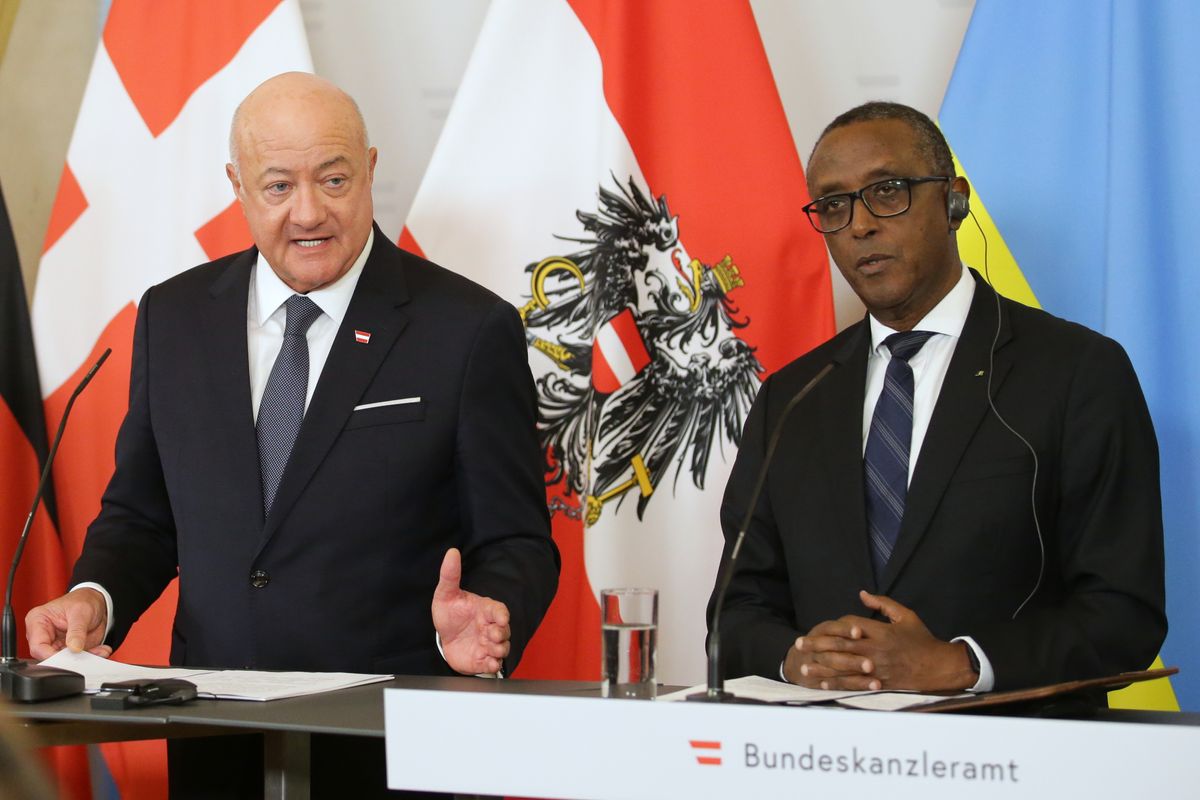
KAMPALA, Uganda (AP) — A group of five European countries is planning to create a “return hub” in Rwanda where rejected asylum seekers could be sent as part of efforts to deter more people from entering Europe.
Austria, Denmark, Germany, Greece and the Netherlands are in talks with the United Nations refugee agency about ensuring the proposal complies with international human rights standards. No agreement has been signed.
Once again, Rwanda has emerged as a potential partner for European governments seeking often controversial solutions to unwanted migration.
In 2022, Rwanda struck a pact with the British government to take migrants arriving in Britain as stowaways or in small boats crossing the English Channel. The Supreme Court in London ruled in 2023 that the policy was unlawful because Rwanda was not a safe third country for migrants sent there.
After Britain scrapped the deal, which included payments to Rwanda to help cover costs, Rwanda brought a case at the Permanent Court of Arbitration alleging breaches of the agreement. A panel of international arbitrators in June rejected a multimillion-dollar claim by Rwanda against the U.K.
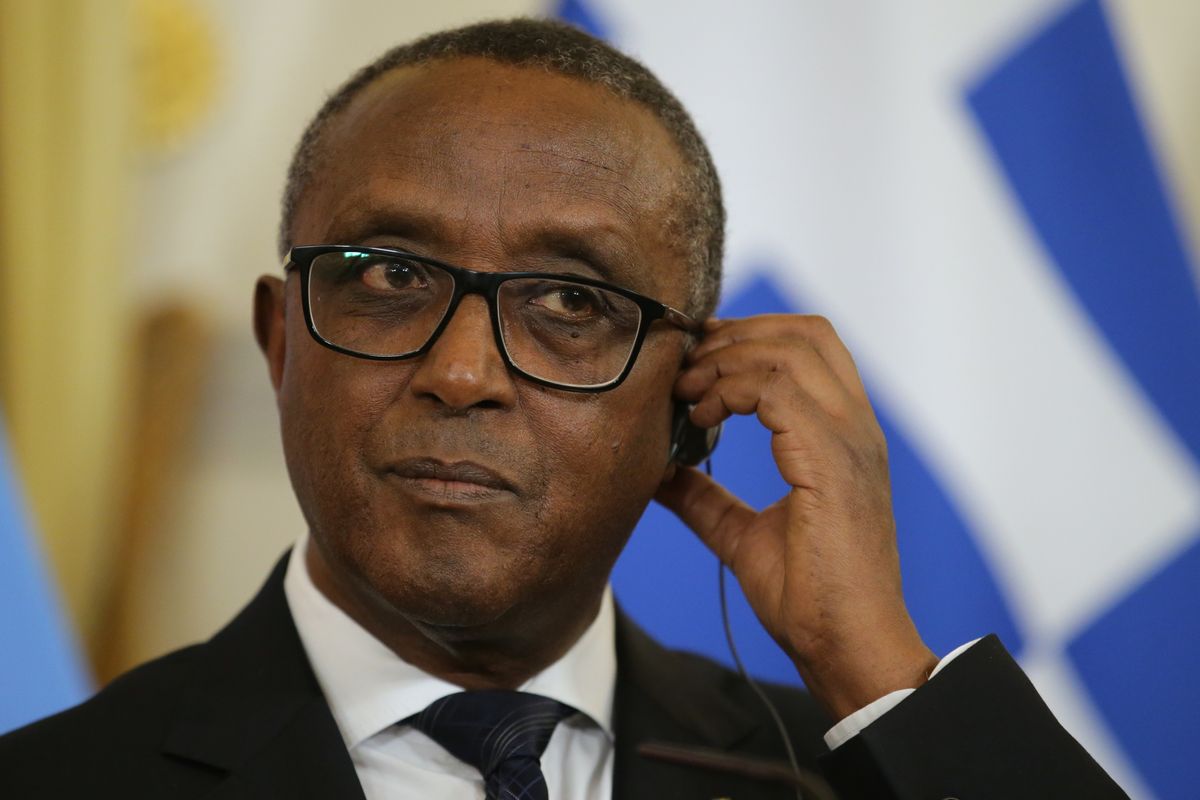
Rwanda’s interior minister, Vincent Biruta, said in a statement Monday that the new proposed partnership with Europe “will ultimately save lives by helping to stop criminal human smugglers who profit from migrants making desperate, dangerous journeys.” He described Rwanda as “a welcoming country for refugees and migrants” who may have nowhere else to go.
The European nations, meanwhile, said Rwanda “has established itself as a reliable and responsible partner in addressing the global challenges of migration and forced displacement.”
Here’s a look at why Rwanda, one of Africa’s smallest and most densely populated countries, keeps emerging as a destination for deportees:
An efficient government
Rwanda’s government has a reputation for efficiency and little tolerance for petty corruption in its bureaucracy.
It tells investors, for example, that they can set up a company in a single day, projecting an image of efficiency considered rare in the region.
Rwanda ranks 41st globally and first in East Africa on Transparency International’s most recent Corruption Perceptions Index. Corruption persists, but public officials face severe consequences if caught obstructing entrepreneurs or undermining government policy.
That reputation helps reassure potential partners that Rwandan authorities will follow through on their commitments.
An authoritarian leader who demands obedience
Under President Paul Kagame, whose rebel group stopped the genocide and whose party has ruled since 1994, Rwanda has sought to bridge ethnic divisions through legislation and other measures. Critics accuse Kagame of crushing dissent, while supporters credit him with presiding over relative peace and stability.
The government has imposed tough penalties for genocide and outlawed the ideology behind it, while Kagame has fostered a culture of obedience among the country’s roughly 14 million people. Rwandan identity cards no longer identify people by ethnicity, and lessons about the genocide are part of the school curriculum.
This sense of order, however constraining some Rwandans find it, also appeals to some people elsewhere in Africa. In neighboring Uganda, where Kagame grew up as a refugee, some say a leader like him is needed to tackle corruption and build a capital as clean and orderly as Kigali.
Rwanda’s “top leadership can make a quick decision” without having to secure support from other groups, including potential critics in civil society, said Dismas Nkunda, a regional analyst based in Uganda.
Seeking opportunities abroad
Rwandan authorities have pursued opportunities to raise the country’s international profile, including sponsorship deals with European soccer clubs such as Paris Saint Germain, Atletico Madrid and Aston Villa.
Formula One announced last month that it would return to Africa with a grand prix in Rwanda early in the next decade. Kagame championed the campaign, describing sport as an “equalizer” at the event in Kigali announcing F1’s first return to Africa since 1993.
Despite these ambitions, Rwanda remains poor, with annual GDP per capita of just over $1,100, according to the World Bank. A migration deal with European nations could bring much-needed revenue.
Rwanda has also faced diplomatic setbacks in recent months, notably sanctions over its alleged role in violence in neighboring Congo. The Congolese government accuses Rwanda of arming M23 rebels and sending troops to support the militants. Rwanda has denied supporting the M23.
Last month, the U.S. imposed sanctions on Rwanda’s defense ministry over the country’s involvement in mineral-rich eastern Congo, where fighting continues despite peace efforts by the Trump administration.
“Rwanda has the political will and wants these deals for its own reasons including diplomatic and economic benefits from these partnerships,” said Gonzaga Muganwa, a political analyst in Kigali.
Stephanie Wolters, a senior research fellow with the South African Institute of International Affairs, said Rwanda makes itself attractive “by opening its doors to arrangements that suit European countries who are trying to offload a complicated and difficult issue.”
____
Ssuuna reported from Kigali, Rwanda.
By RODNEY MUHUMUZA and IGNATIUS SSUUNA
Associated Press