




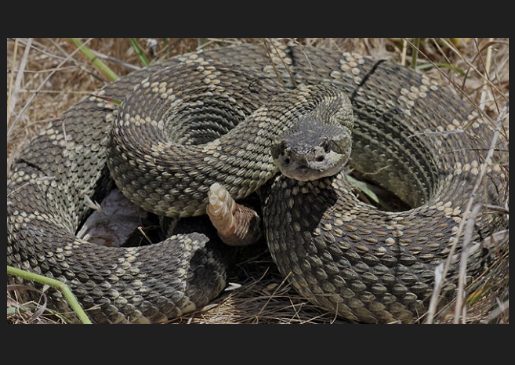
VALLEY SPRINGS, CA – A routine step outside turned into an emergency situation Thursday evening after a 38-year-old Calaveras County woman was bitten by a baby rattlesnake right on her own doorstep.
Calaveras Consolidated Firefighters responded to the scene in an undisclosed area of Valley Springs after the woman was struck on the leg. Officials say the incident serves as a reminder that as temperatures rise, rattlesnakes are becoming increasingly active in local residential areas.
The fire department adds that Mark Twain Hospital in San Andreas is fully equipped to handle venomous snake bite victims.
Firefighters are urging residents to remain vigilant. While many associate rattlesnakes with remote hiking trails, the incident proves they are just as comfortable under shrubs, near porches, or sunning on pavement near homes.
“A threatened or scared snake is more likely to strike back, releasing extra venom,” fire officials warned. “Even dead snakes can ‘bite’ through a reflex action. Leave them alone.”
With snake season in full swing, Calaveras Consolidated Firefighters have released a comprehensive safety guide for residents and outdoor enthusiasts:
1. Watch Your Step (And Your Seat)
- Look Before You Leap: Always check where you are sitting or stepping, especially around rocks and tall grass.
- Flashlight Utility: Use a light at dusk—the time when snakes are most active—to spot them on trails or walkways.
- Water Warning: Remember that rattlesnakes can swim. That “stick” floating in the water might be a venomous reptile.
2. Dress for the Terrain
- Footwear: Wear high-quality hiking boots and thick socks. Avoid sandals or walking barefoot, even near the house.
- Pants: Long, loose-fitting pants provide a thin layer of protection that can sometimes prevent a full envenomation.
3. Yard and Trail Maintenance
- Avoid the “Unknown”: Do not stick hands or feet into holes, brush, or woodpiles.
- The 5-Foot Rule: If you encounter a snake, back away at least five feet. A snake can strike at a distance of up to half its body length.
- Clear the Way: Use a walking stick to “whack” bushes or tall grass before walking through them to alert any hidden snakes.
4. Protecting Children and Pets
- Lead the Way: When hiking, an adult should always lead the group, with another adult at the rear.
- Leash Your Dogs: Pets are frequently bitten on the snout or head when investigating snakes. Keeping them on a leash can save their lives.
If you or someone you are with is bitten, call 911 immediately. Do not attempt to catch the snake or “suck out” the venom. Time is the most critical factor in receiving anti-venom treatment.