




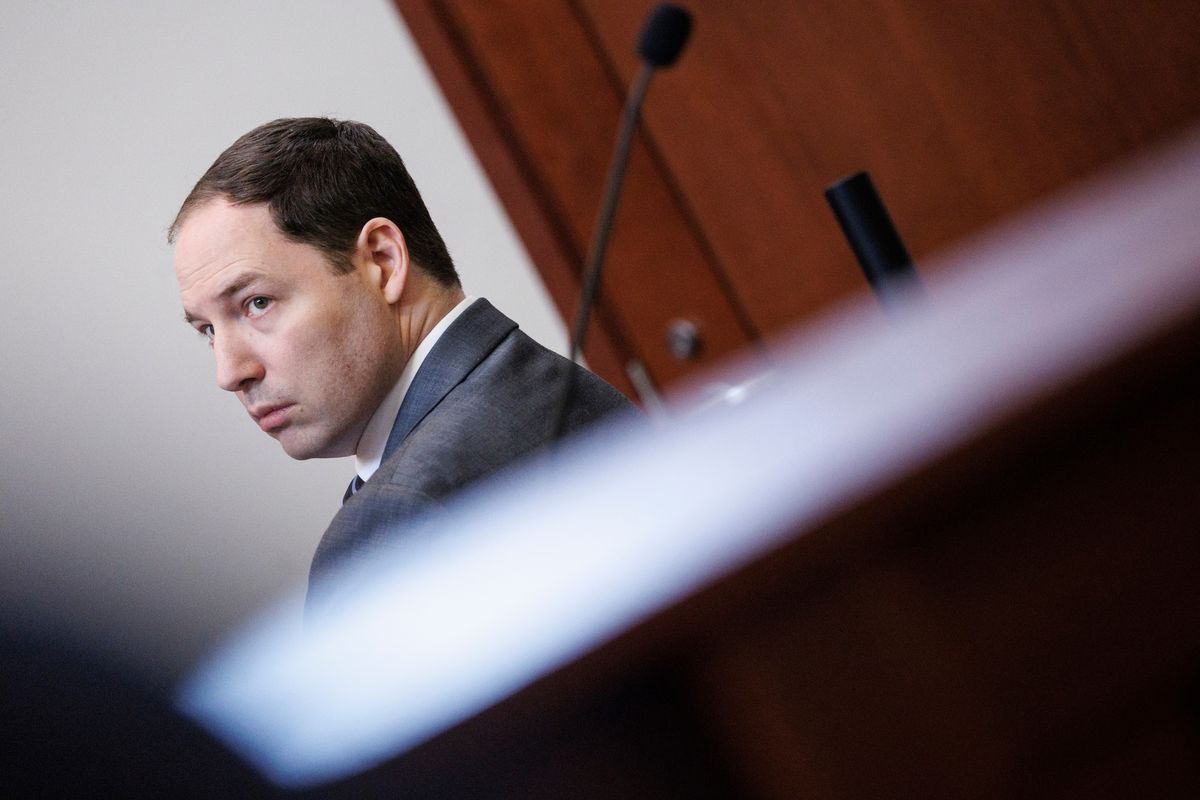
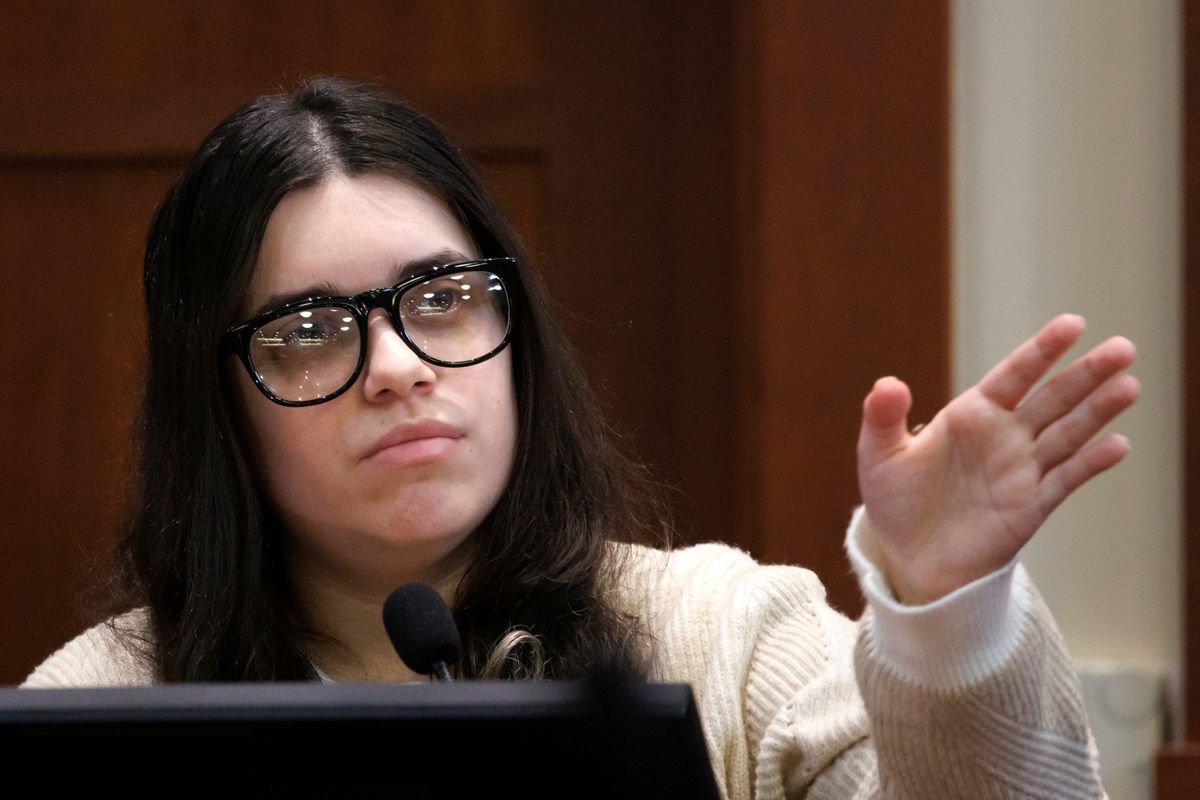
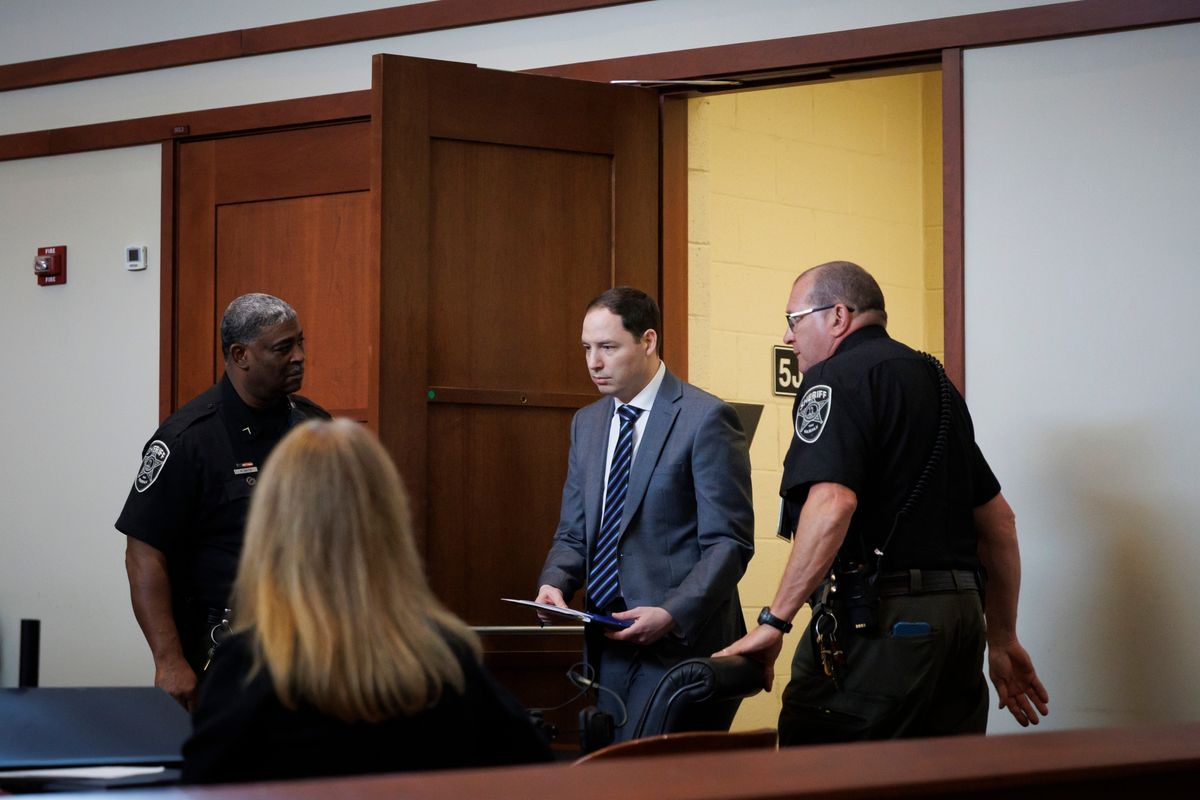
RICHMOND, Va. (AP) — Jurors began deliberating Friday on whether a former IRS law enforcement officer in Virginia conspired with his family’s Brazilian au pair, with whom he was having an affair, to kill his wife and pin it on a stranger.
Brendan Banfield allegedly spent months plotting to get rid of his spouse so he could be with their nanny, Juliana Magalhães, who is now the key witness for the prosecution and testified against him earlier this month.
Magalhães alleges she and Banfield created a social media account in the wife’s name on a fetish-focused platform and used it to lure a man, Joe Ryan, to their home for a sexual encounter involving a knife on Feb. 24, 2023. Prosecutors say the lovers shot Ryan and staged the scene to look like he was a predator stabbing the wife.
Christine Banfield, a pediatric intensive care nurse, was mortally wounded with stab wounds to her neck. Prosecutors and the defense agree that Brendan Banfield and Magalhães both shot Ryan.
Banfield testified in his own defense, denying any plot and saying he shot Ryan to stop him from stabbing his wife. He also claimed he and his wife each had affairs during their 19-year relationship, but decided in couples therapy to stay married.
He could face life in prison if convicted of the murders. He is charged with child abuse and felony child cruelty because his then-4-year-old daughter was in the basement at the time of the killings.
In closing arguments Friday, prosecutor Jenna Sands told the jury they did not have to rely solely on Magalhães’ testimony, pointing to what she called a “plethora of evidence.” That included expert testimony that blood stains on Ryan’s hands suggested Christine Banfield’s blood had dripped onto him from above.
Banfield’s lawyer, John Carroll, countered that the state’s case was built on a “fantastic story.” He used a different blood expert to say the stains were inconclusive.
The defense also argued police leadership had fixated early on the theory that Banfield “catfished” Ryan and killed his wife, pressuring investigators to support that conclusion while disregarding conflicting evidence.
The defense also attacked Magalhães’ credibility, arguing she tailored her testimony to fit the prosecution’s theory in order to avoid a lengthy prison sentence. She is to be sentenced after Banfield’s trial, and attorneys have said she could be released. Magalhães was originally charged with murder but pleaded guilty to a lesser charge of manslaughter in 2024.
During the trial, Carroll brought as witnesses forensic analysts who said evidence suggested Christine Banfield created the social media account and communicated with Ryan. One police digital forensics examiner was later transferred, and the defense argued he’d been punished for disputing the catfishing theory. Carroll also raised questions about why some detectives were not called to testify.
Sands, the chief deputy commonwealth’s attorney, dismissed the dispute over digital evidence, telling jurors it could never be a “smoking gun” on its own because it shows what a device was doing, not who was using it.
Sands also said Banfield’s credibility was undermined by testimony from his boss, who contradicted Banfield’s claim that he left home early on the day of the killings for an important meeting.
___
Loller contributed from Nashville, Tennessee.
By OLIVIA DIAZ and TRAVIS LOLLER
Associated Press