




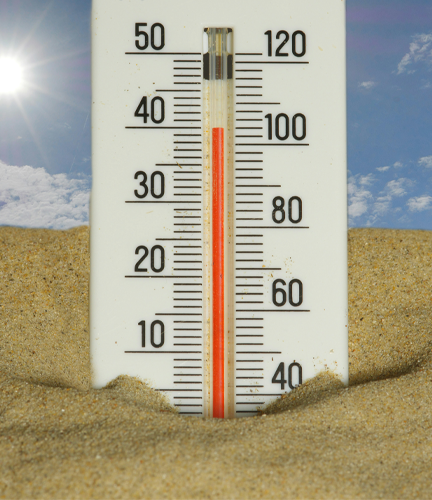
 Mid-summer in the Sierra Nevada foothills brings intense, triple-digit temperatures. For our patients and community members across Tuolumne County and the surrounding regions, managing this heat is a critical daily priority. Whether you are trying to keep a home comfortable without air conditioning or working outdoors, understanding heat safety and prevention is vital for your health.
Keeping Your Home Cool Without AC
Many homes in our region lack central air conditioning. Fortunately, we often experience cooler nighttime temperatures. The goal is to trap that cool morning air inside and aggressively block the afternoon sun.
- Strategic Window Management: The golden rule of a house without AC is timing. Open all windows at night to let the cool air in. First thing in the morning, before the outside temperature exceeds the inside temperature, shut every window tightly.
- Block the Solar Heat Gain: Sunlight streaming through glass acts like a greenhouse. Close blinds, shades, or curtains on all windows before the sun hits them, particularly on the south and west-facing sides of the house. Blackout or thermal curtains are especially effective at reflecting heat outward.
- Master Cross-Ventilation: When the windows are open at night, use fans to create an active draft. Place a box fan facing outward in a window on the warm side of the house to blow hot air out. Open a window on the cooler, shaded side of the house to naturally pull the cool air indoors.
- Reduce Internal Heat Sources: Avoid using the oven or stove during the day. Opt for outdoor grilling, microwave meals, or cold dinners. Remember that incandescent light bulbs and running electronics also generate ambient heat.
- Cool the Body Directly: If the ambient temperature is high, focus on your core temperature. Take a cool shower or bath, use a damp bandana on your neck, or soak your feet in cold water to rapidly cool down.
Preventing Heat-Related Illness
When the foothill temperatures spike, you must modify your daily routines. Heat stroke occurs when the body loses its ability to sweat and regulate its own temperature.
- Time your outdoor exposure: Schedule outdoor activities exclusively for the early morning or late evening.
- Hydrate proactively: Drink plenty of fluids constantly throughout the day, even if you do not feel thirsty. Avoid sugary beverages or alcohol, as these can accelerate dehydration.
- Seek conditioned air: Rely on air-conditioned indoor locations as much as possible. Fans alone will not prevent heat-related illness when temperatures reach the upper 90s.
- Dress appropriately: Wear lightweight, light-colored, and loose-fitting clothing to allow sweat to evaporate easily.
Recognizing and Responding to Heat Stroke
Heat stroke is a severe medical emergency. If someone exhibits a high body temperature, confusion, hot and dry skin, or loses consciousness, you must act immediately.
- Call 911: Have someone call for emergency medical assistance right away. Response time is critical.
- Relocate and strip: Move the person to a shady or air-conditioned area and remove any heavy or restrictive clothing.
- Cool rapidly: Do whatever is necessary to lower their body temperature quickly. You can immerse them in a cool bath, spray them with a garden hose, or apply ice packs directly to their neck, armpits, and groin.
- Monitor temperature: Continue cooling efforts until their core body temperature drops to 101 or 102 degrees Fahrenheit.
- Control fluids: Only provide sips of cool water if the person is fully alert and conscious. Never force fluids on someone with an altered mental state, and never give them alcohol.
The Road to Recovery
Surviving a heat stroke is a physical trauma, and the body requires significant time to repair itself.
- Hospitalization: Treatment typically requires up to two days in the hospital for intravenous fluids and monitored rapid body cooling.
- Extended rest: The speed of recovery depends on age and the severity of the exposure. Even younger adults with milder cases can expect it to take a week or more to recover their normal energy levels.
- Systemic repair: During recovery, the body is working to restore fluid balances and heal from the cardiovascular and kidney stress caused by severe dehydration and overheating.
- Gradual return: Patients must strictly avoid the heat and remain in air-conditioned environments. Returning to normal physical activity must be a highly gradual process approved by a medical professional.