




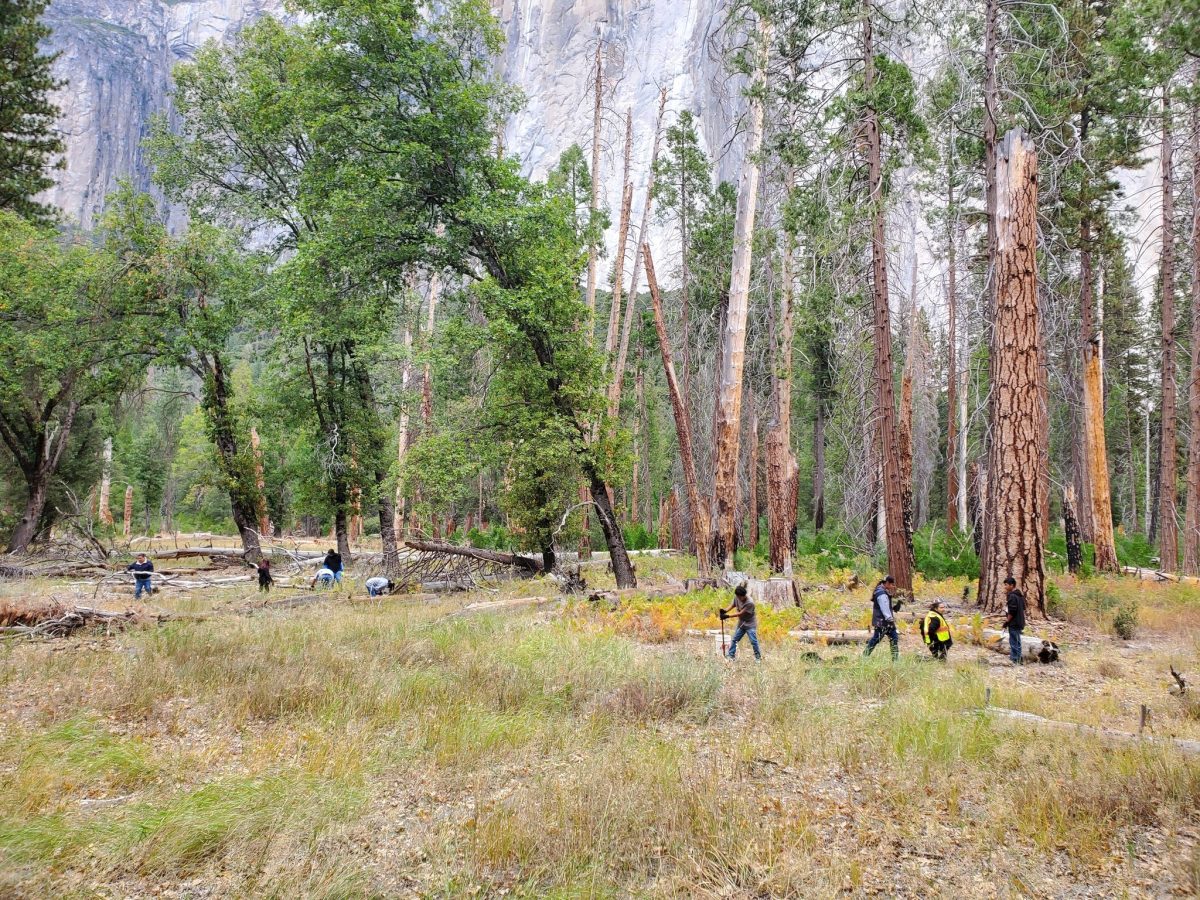
Yosemite, CA — An assessment of gathering plants and plant parts for traditional purposes by federally recognized Tribal members traditionally associated with Yosemite National Park has been finalized. Agreements, planning and scheduling between park officials and seven tribes can now be set up.
The assessment’s goal was to help ensure tribes can collect native plant material legally, sustainably, and in a traditional manner that protects and enhances Tribal cultures and park resources. The technical finding of the assessment is that there will be no significant impact. The finding concludes the National Environmental Policy Act (NEPA) review and compliance process which started January 10, 2025. The process, as defined was required to; protect park resources, ensure cultural continuance in association with Tribal gathering and Indigenous Knowledge, comply with the regulation 36 CFR 2.6. The regulation was created in 2016 to allow park units to negotiate and enter into agreements with federally recognized Tribes for the gathering of plants or plant parts.
Prior to the creation of this environmental assessment, removal or disturbance of plants or plant parts in the park was prohibited, except where authorized in the Superintendent’s Compendium. The assessment overview states, “The uncertain access to park lands for traditional practices impacted the transfer of cultural practices between generations.”
The assessment, available here, finds that allowing seven federally recognized tribes traditionally associated with Yosemite National Park to conduct traditional gathering of plants and plant parts throughout the park will not have a significant impact.
The plant gathering request was initiated by the Bridgeport Indian Colony in August of 2022 and applies to the Bishop Paiute Tribe, Bridgeport Indian Colony, Mono Lake Kootzaduka’a Tribe of California and Nevada, North Fork Rancheria of Mono Indians of California, Picayune Rancheria of the Chukchansi Indians, Southern Sierra Miwuk Nation (also known as American Indian Council of Mariposa County), and the Tuolumne Band of Me-Wuk Indians.
The assessment notes that the Southern Sierra Miwuk Nation and the Mono Lake Kootzaduka’a Tribe of California and Nevada have not been federally recognized but both made significant contributions to developing the gathering agreement. Yosemite National Park officials state they initiated conversations with the seven traditionally associated tribes to define an alternative avenue for working with non-federally recognized Tribes to help maintain access to traditional gathering practices. The park also states that it “does not intend for this assessment to alter existing and ongoing collaboration with non-federally recognized Tribes or diminish Tribal members’ access to traditional practices.”
Further background on the process is at nps.gov/…/gathering.htm