





Soulsbyville, CA—A tip to the Tuolumne County Sheriff’s Office resulted in a drug bust near Soulsbyville, with five people being arrested, and two were caught red-handed taking meth during the raid.
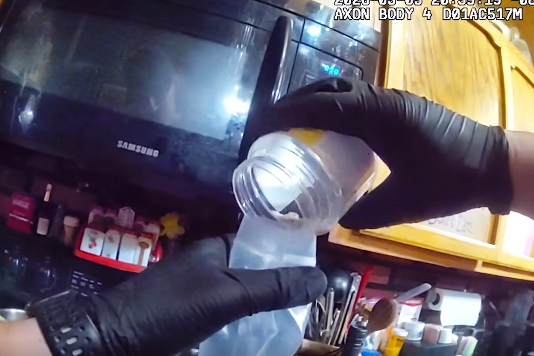
The information recently given to the Sheriff’s Tuolumne Narcotics Team (TNT) revealed a distribution and use of methamphetamine at a residence in the 20000 block of Willow Springs Drive near Timothy Drive and the Willow Springs Clubhouse. On Thursday evening (3/6/26), the SWAT team raided the residence with a search warrant in hand and uncovered around 3.6 ounces (102 grams) of methamphetamine, smoking devices, a scale, and ammunition.
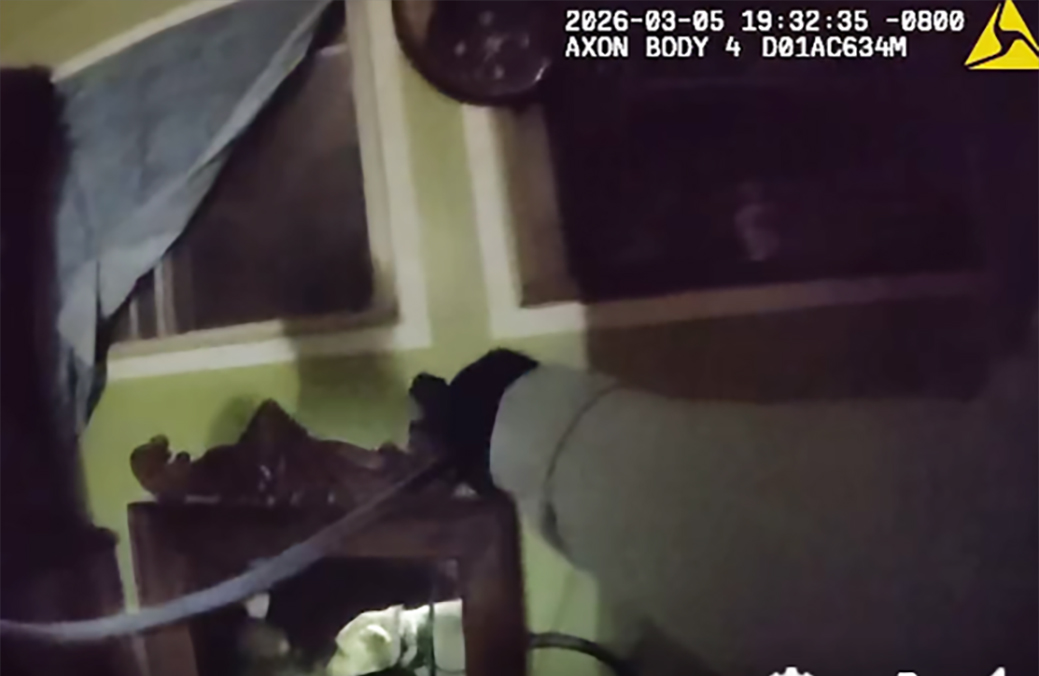
“During the service of the search warrant, two subjects inside the residence were observed actively using methamphetamine,” disclosed TNT officials, adding, “Six subjects were contacted and detained at the residence by the SWAT team.”

While there were six occupants of the home, five were arrested: Mary Kathleen Porter, 76, of Soulsbyville, Brandon Wayne Morgan, 49, of Twain Harte, Christopher Michael Gipson, 50, of Sonora, Chandra Ann Pounds, 49, of Angels Camp, and Colinda Christine Davis, 61, of Sonora. All are charged with selling/furnishing methamphetamine, maintaining a drug house, and visiting a drug house to consume drugs.
While the raid took place, sheriff’s officials asked the public to avoid the area, and Willow Springs Drive was closed between Timothy Drive and Adams Court for more than an hour.
“The Tuolumne County Sheriff’s Office would like to thank our community for their cooperation during this incident, which allowed personnel to safely execute a high-risk search warrant,” stated sheriff’s officials. “Community safety remains the Sheriff’s Office’s highest priority. We are committed to protecting our neighborhoods and public spaces—especially parks and areas frequented by children—from the dangers associated with drug-related activity.”