




Sacramento, CA — What to do about wolves and mountain lions in rural areas has been addressed recently by government agencies and local law enforcement.
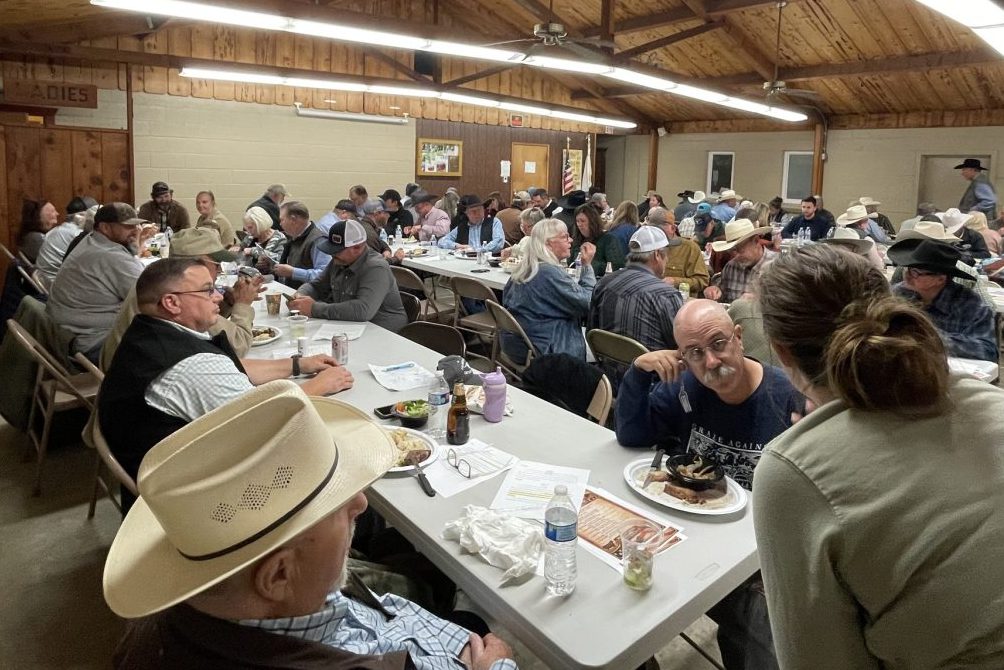
The recent Calaveras Cattlemen’s Association Dinner, attended by Calaveras County Sheriff Rachelle Whiting, included several speakers and a discussion of the topic of grey wolves.
California Department of Fish and Wildlife (CDFW) has started a process to evaluate California’s Wolf-Livestock Compensation Program (WLCP). Speakers at the Cattlemen’s Association Dinner detailed the significant economic losses and emotional stress that ranchers and livestock owners in several northern California counties have been experiencing due to an increasing population of gray wolves.
Since the WLCP pilot program began in 2021, CDFW’s Wolf-Livestock Compensation Program has paid out more than $3.5 million to livestock producers whose operations have been impacted by the return of gray wolves to California. On Monday, Feb. 23, 2026, CDFW held a workshop with a group of stakeholder representatives focused on how best to assess the program to inform potential adjustments to future applications and funding opportunities. The discussion marked the first step in gathering input and perspectives from key stakeholder groups involved in livestock production, wolf conservation, research, and government agencies.
Sheriff’s officials note that Calaveras County has yet to be impacted and is currently pre-planning. The Calaveras Rural Crimes Task Force, assigns detectives to assist with investigations involving livestock and ranch-related crimes when they arise. Ranchers are encouraged to report suspicious activity and reach out if issues occur. Their aim right now is to ensure they are equipped with educational topics on what to do and not do, lessons learned, monitoring legislation, engaging with representatives, and prepared when the inevitable happens.
CDFW plans to continue a transparent and collaborative process for evaluating the existing WLCP with representatives from the California Farm Bureau, California Cattlemen’s Association, Western Landowners Alliance, California Wool Growers Association, Rural County Representatives of California (RCRC), University of California Cooperative Extension, University of California, Berkeley, Defenders of Wildlife, the California Wolf Foundation, the California Center for Biological Diversity, Working Circle, USDA APHIS Wildlife Services, USDA Natural Resources Conservation Service, and the U.S. Fish and Wildlife Service.
According to the CDFW, those participants were selected based on their previous involvement in the development of the program, their authority and expertise, and their roles representing multiple interested and affected stakeholders. For more information about the evaluation process, timeline, and opportunities to participate, visit CDFW’s Wolf Livestock Compensation Grants webpage.
Update on Mountain Lion Legislation
Two bills about mountain lions authored by Mother Lode Republican Senator Marie Alvarado-Gil aimed to address situations with that predator, but they have stalled.
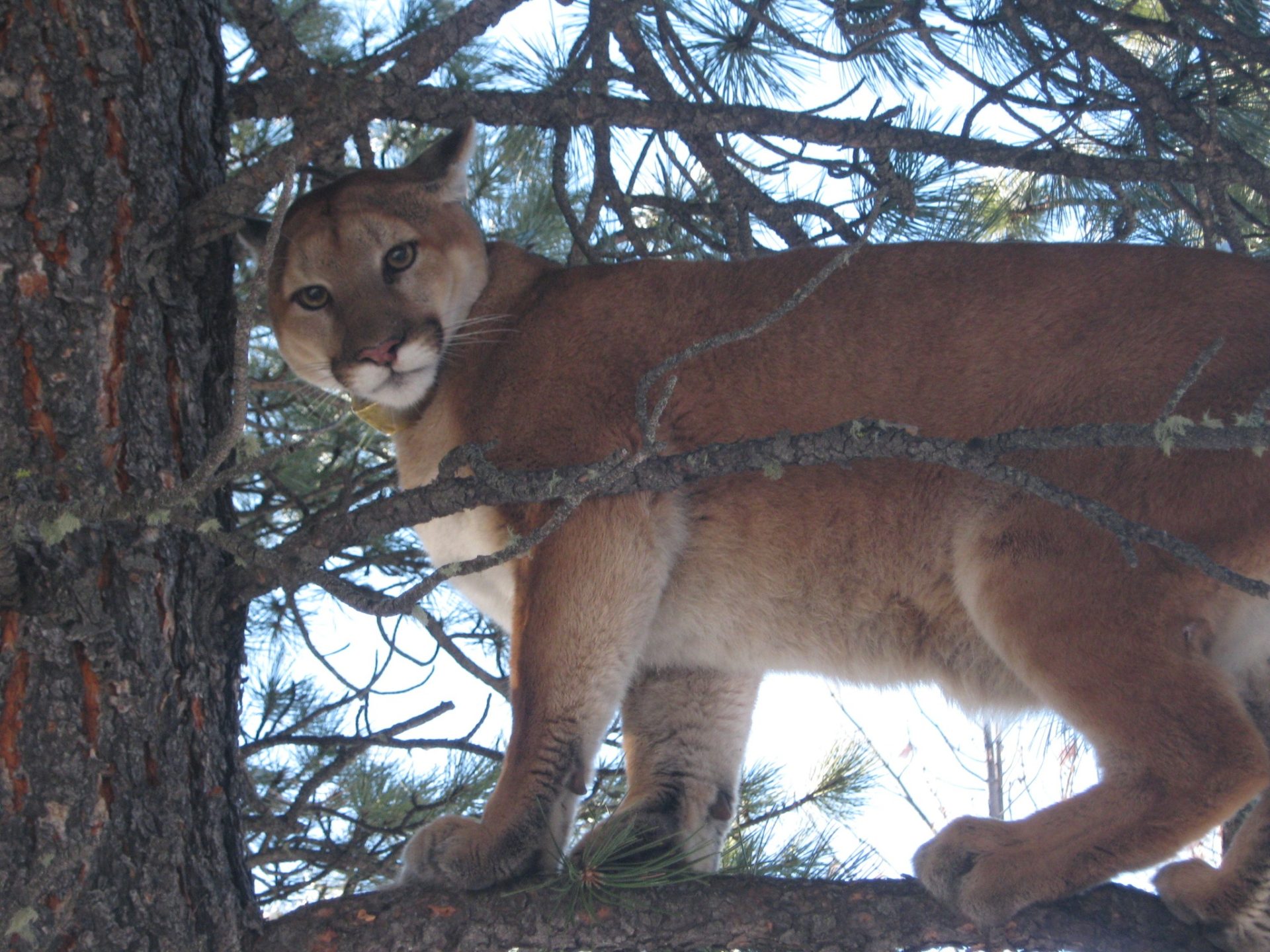
In February, the California Department of Fish and Wildlife (CDFW) listed mountain lion populations in parts of Southern California and the Central Coast as threatened, broadening protections in those areas but not in the Mother Lode. A bill authored by Mother Lode Republican Senator Marie Alvarado-Gil related to Mountain Lions passed the Senate Natural Resources and Water Committee in April.
Alavarado-Gil’s District Four covers Tuolumne County, most of Calaveras County, El Dorado County, and other foothills and valley communities. She noted the 2024 mountain lion attack in El Dorado County that killed a 21-year-old and severely injured his 18-year-old brother, which we detailed in the news story here. Senate Bill 818, as detailed here, stalled last year and was removed in February 2026.
Alavarado-Gil’s most recent mountain lion bill called for strengthening protections for people statewide by requiring CDFW to maintain, enhance, and expand its Human-Mountain Lion Conflict Program with a clear focus on nonlethal deterrence, scientific research, public education, and proactive response to keep families, livestock, and pets safe. It mandates regular engagement with high-conflict counties, annual legislative updates, and a full report to lawmakers in 2031.
Alvarado-Gil states, “SB 1397 protects public safety without compromising our state’s conservation values, and it delivers solutions that will benefit every Californian as these conflicts spread beyond the Sierra foothills.”
SB 1397 is currently stalled as it was put in suspense after being sent to appropriations.