




Jamestown, CA– State and regional leaders say California is significantly accelerating wildfire prevention work, with more than 300 projects approved in the past year under a streamlined permitting process.
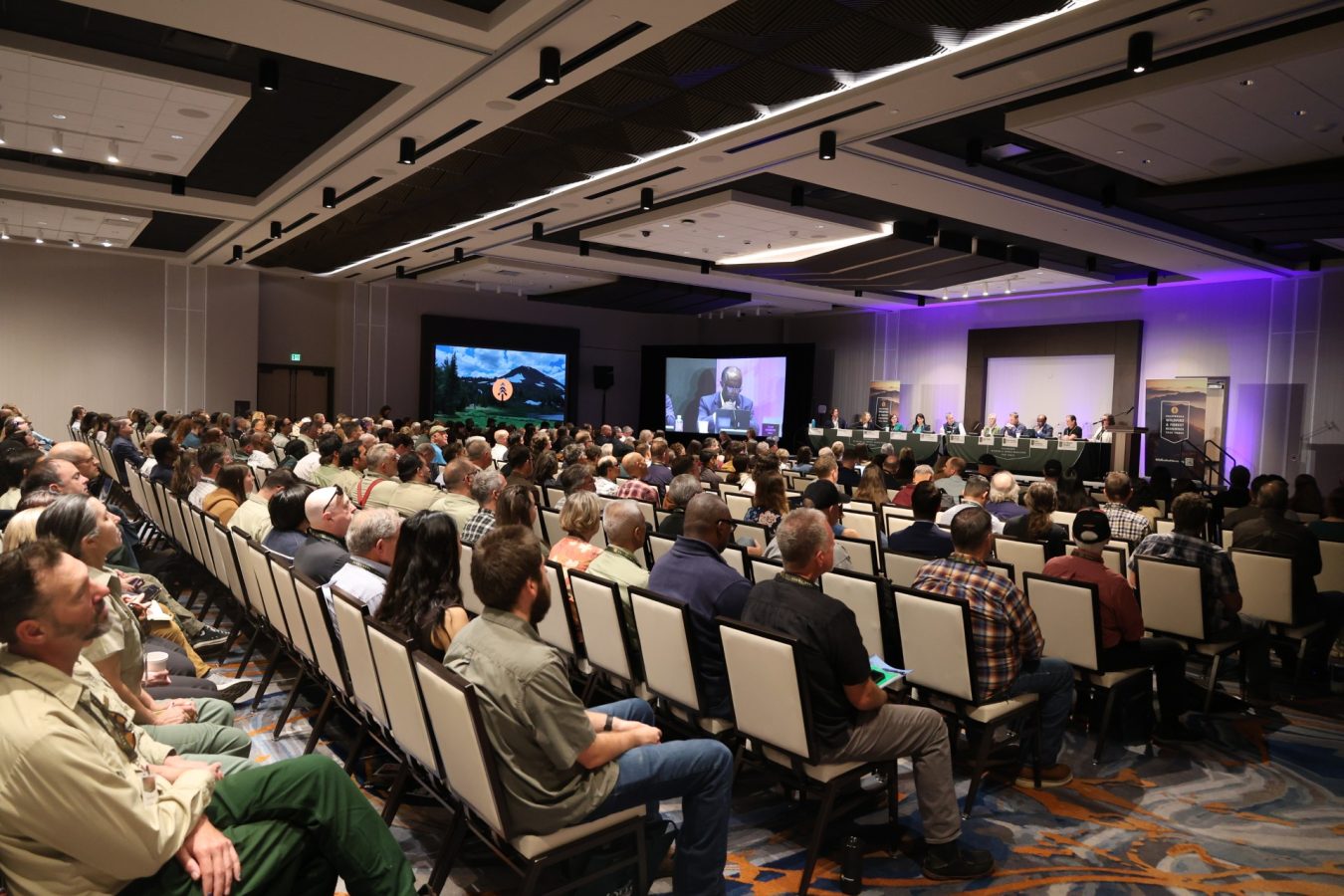
The update came on March 19 during a Sierra Nevada regional meeting of the California Wildfire and Forest Resilience Task Force, hosted by the Mountain Counties Water Resources Association and Sierra Nevada Conservancy at Chicken Ranch Casino Resort. Officials said recent efforts to cut permitting timelines have reduced approval times to as little as 30 days for some projects, shaving months or longer off traditional reviews while maintaining environmental protections. The projects span nearly 57,000 acres and include fuel reduction, defensible space improvements, and evacuation route planning.
Task Force Director Patrick Wright said collaboration among state agencies, tribes, and local partners is helping expand wildfire resilience work at a larger scale. Local leaders at the meeting highlighted regional efforts in the Central Sierra, including cross-boundary forest projects, workforce development, and new funding approaches. Examples included large-scale forest restoration efforts, expanded use of prescribed fire and new biomass facilities aimed at reducing forest waste. Panelists also pointed to growing efforts to build a wildfire workforce, with tribal programs, private companies, and local businesses contributing to fuels reduction and forest management work.
Innovative funding strategies were another focus, including insurance incentives for homeowners who complete wildfire mitigation projects. The task force also previewed its 2026 Wildfire and Landscape Resilience Action Plan, which aims to align state and regional efforts to reduce wildfire risk near communities and improve overall forest health.
Applications for the state’s expedited project review process remain open through May 1, 2026, under an extended emergency proclamation.